336-477-3218 Mon–Sat · 7AM–6PM
· 5.0 Yelp

SOLUTION · CHARLOTTE, NC

Spot Lining that seals one problem without touching the rest.

Spot lining (also called a CIPP patch) places a short cured-in-place liner precisely over a single defect in your sewer line. When the rest of the pipe is in good shape and only one section needs repair, a spot liner is faster, less disruptive, and less expensive than a full-run CIPP install.

Call About Spot Lining: 336-477-3218 Quote My Spot Lining Job

Tell us what's going on

Free phone consultation. Flat-rate pricing. No upsells, ever.

We'll call you back within one business hour. No automated systems.

COMMON REASONS

When Spot Lining is the right call.

Spot lining is the targeted repair for a single, camera-confirmed defect. Four situations point to a spot liner over a full-run CIPP install.
Common Spot Lining situations:

Spot lining for a single root-entry crack

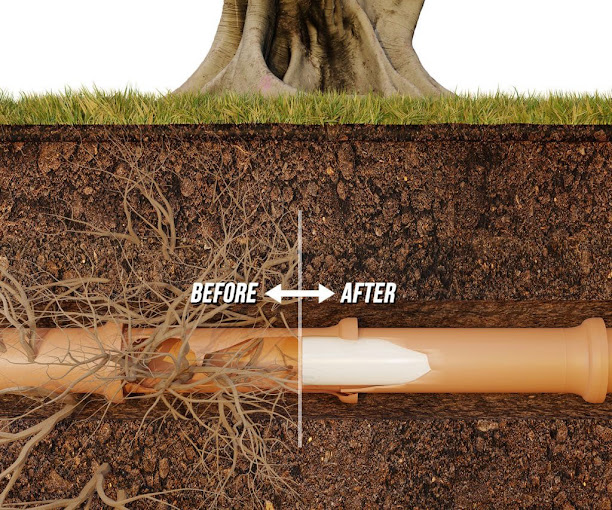
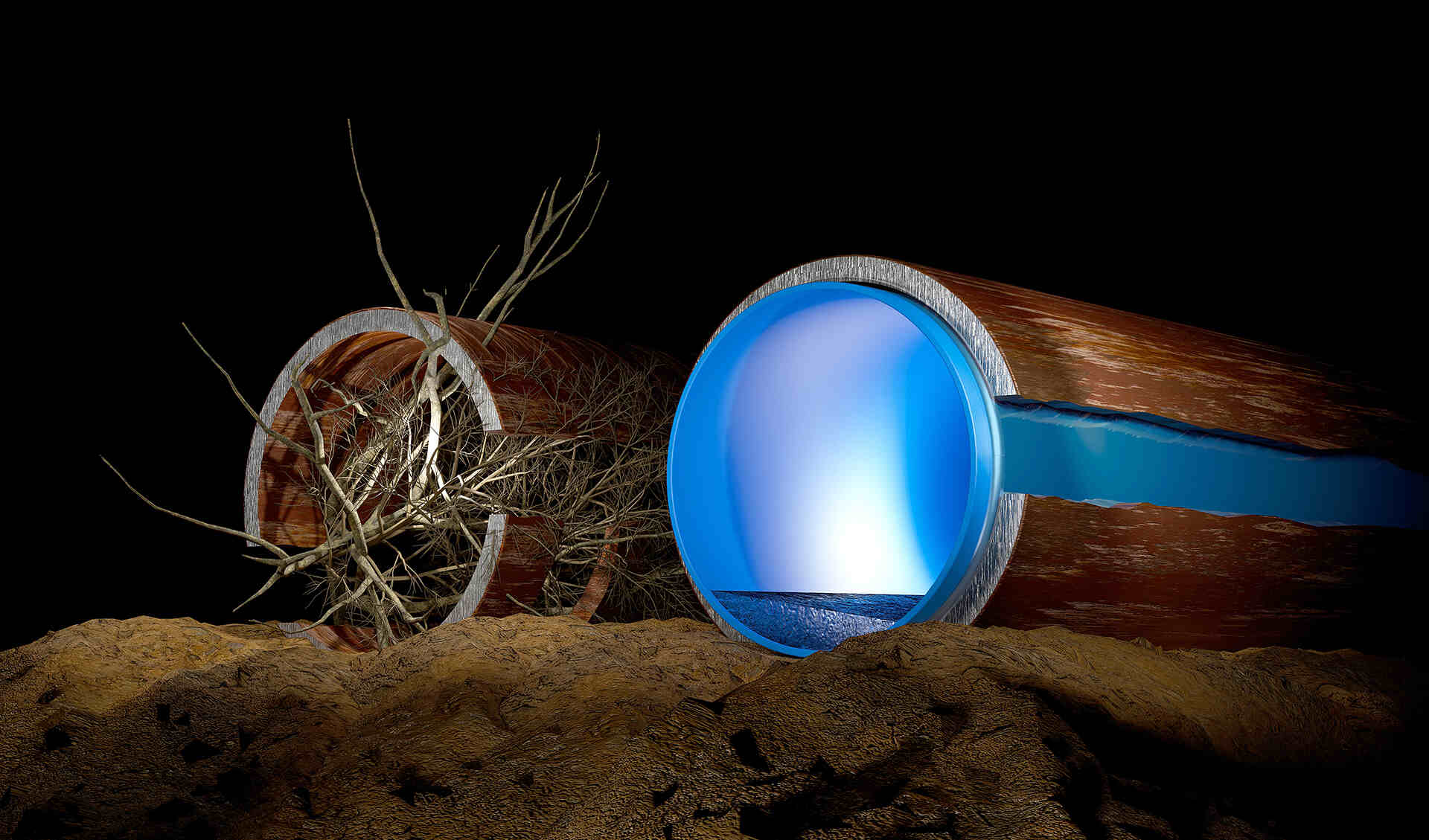
When camera footage shows one crack or joint gap where roots are entering (and the rest of the line is in good shape), a spot liner seals that entry point without lining the full run.

Spot lining for a single offset or crack

A pipe offset or fracture at one location can be patched precisely with a spot liner. No need to line 60 feet of pipe when only 18 inches are defective.

Spot lining for a single joint failure

A joint that has crumbled or separated at one point in an otherwise sound line is an ideal spot liner case. The patch bonds to both sides of the joint and seals it permanently.

Spot lining as a cost-effective targeted repair

When a full camera scope shows one isolated defect and the balance of the line is structurally sound, a spot liner is the right-sized solution: less time, less cost, same permanent result.
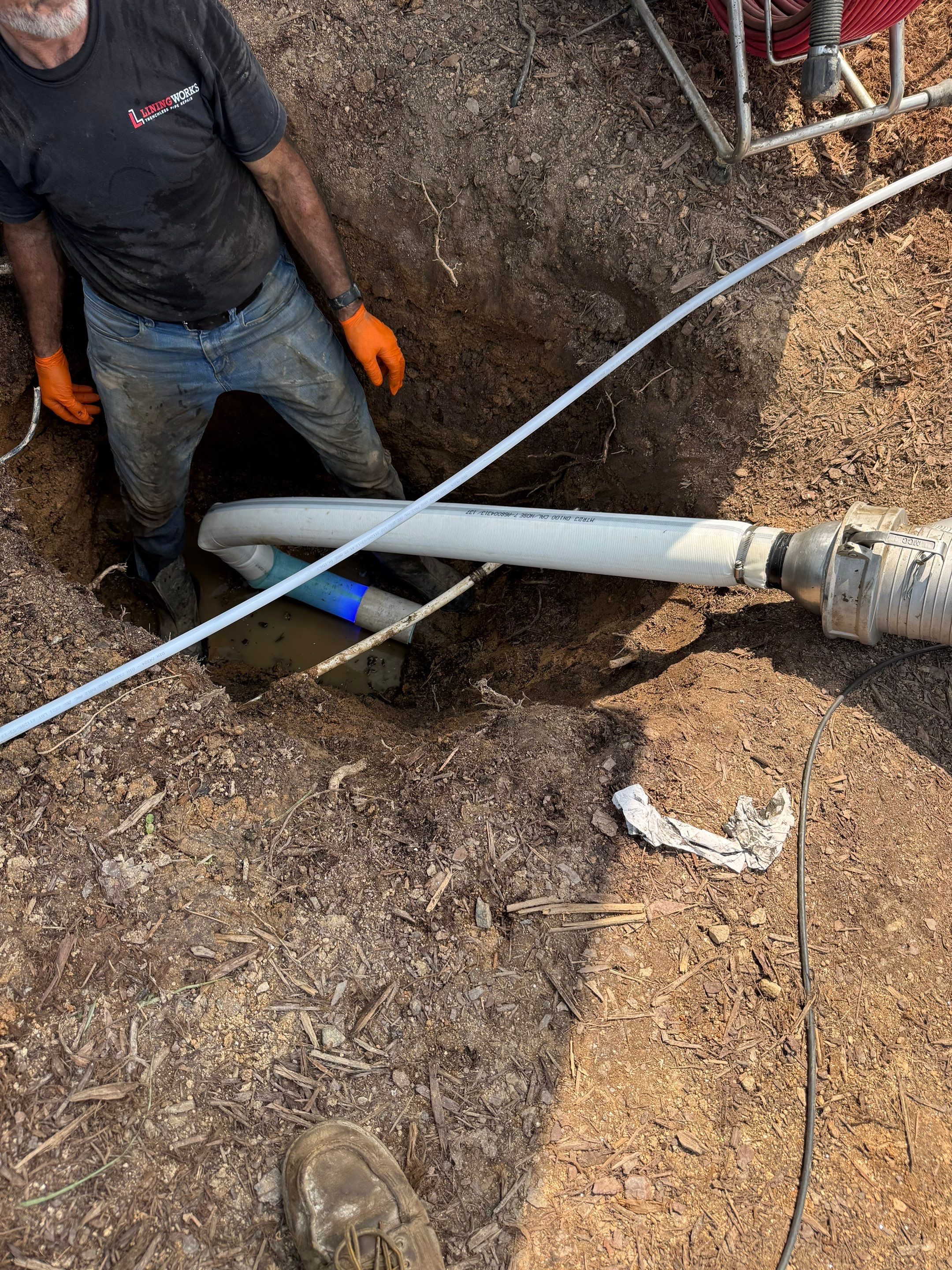
LiningWorks technician performing spot lining pipe repair work on a Charlotte residential sewer line.
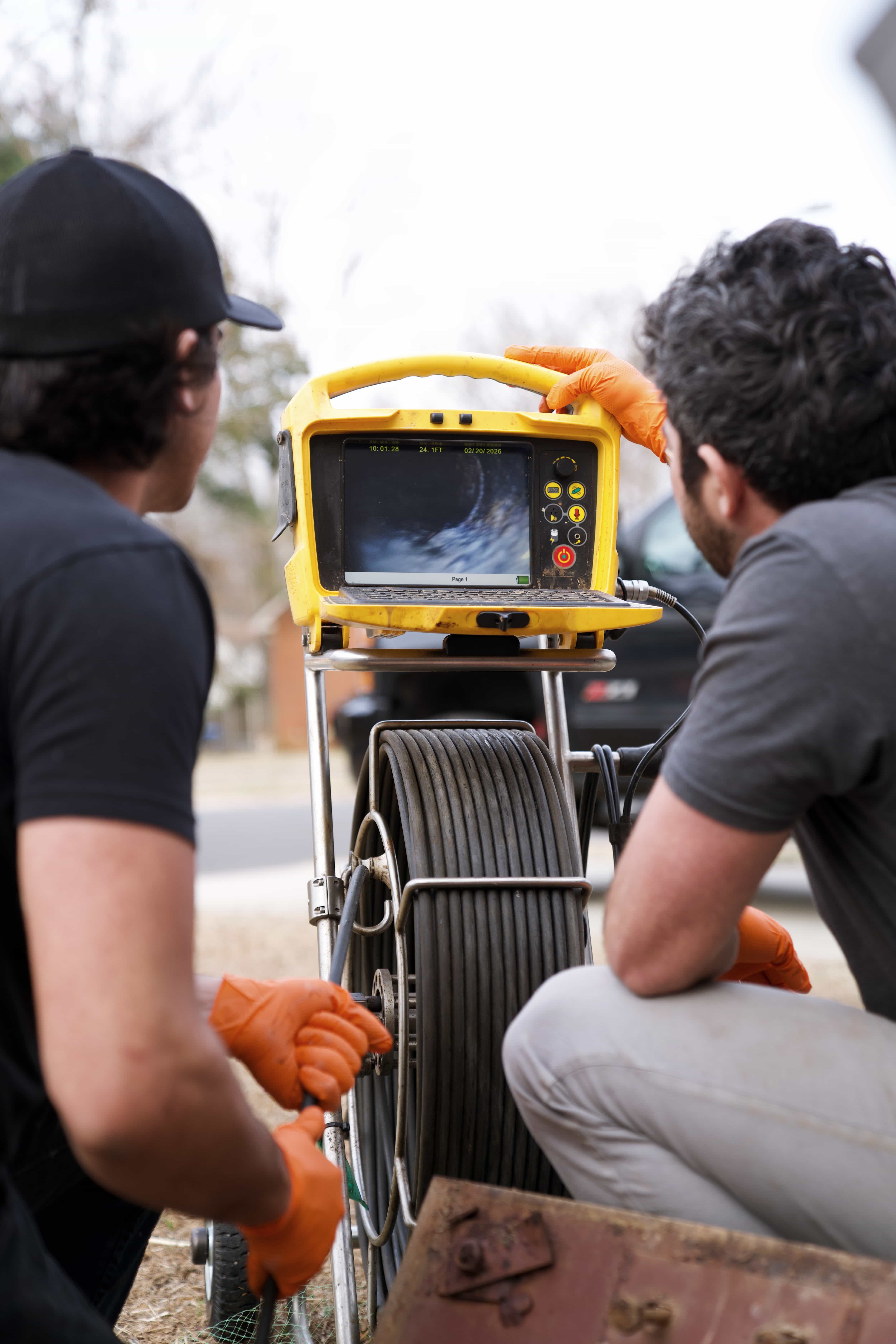
LiningWorks technicians reviewing sewer camera footage to confirm spot lining repair timing.

CATCH PROBLEMS EARLY

Why Spot Lining timing matters.

A single defect that is small today will grow. Here are four signs that a spot liner is the right call now.

Watch for these Spot Lining triggers:

  • A camera scope showing one isolated defect
    When the camera finds a single crack, root gap, or joint failure in an otherwise clean line, that is the exact use case for a spot liner.
  • Roots returning at the same location annually
    If annual camera scopes show roots re-entering through the same 12-inch section every year, a spot liner seals that entry point permanently; roots cannot penetrate cured resin.
  • A single offset causing recurring partial blockages
    A pipe offset that catches debris and creates recurring partial blockages is efficiently addressed with a spot liner that bridges the offset without replacing the full run.
  • A targeted repair that protects the rest of the investment
    When you have had a full-run CIPP liner installed and a single joint shows stress years later, a spot liner extends the system without replacing the entire liner.

SERVICE PROCESS

How our Spot Lining process works.

Precision is everything in spot lining. Four standards make every LiningWorks spot liner accurate and durable.
Spot Lining starts with a targeted camera scope

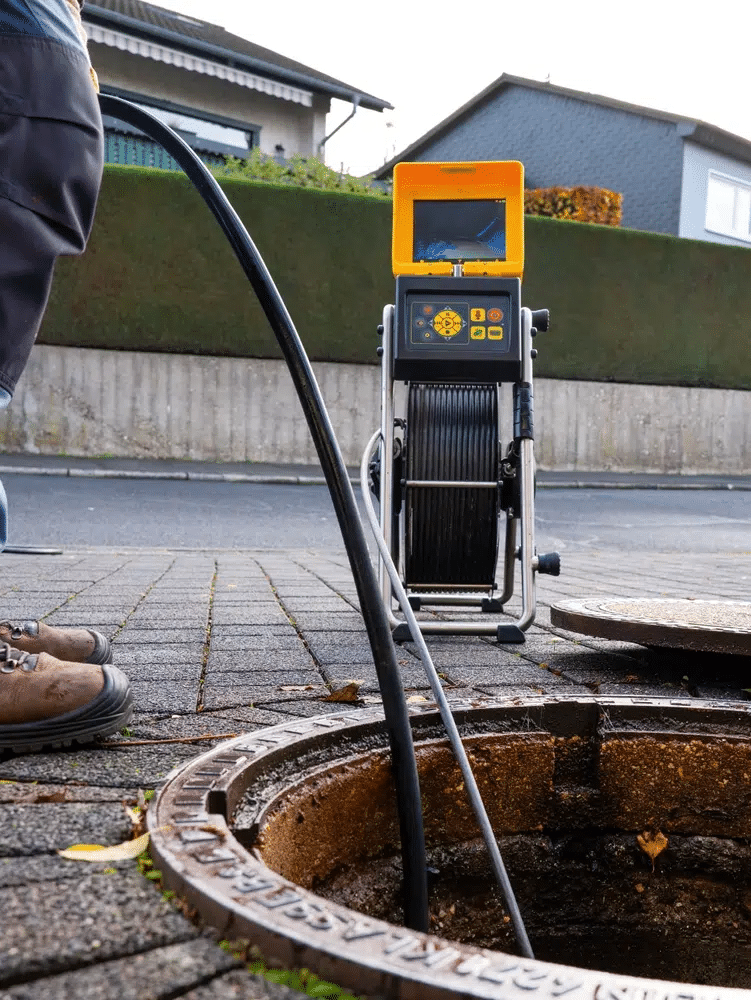
We locate the defect precisely by camera before the liner is prepared. The exact position, length, and pipe diameter determine the spot liner specification.

Spot Lining requires a clean pipe wall at the defect

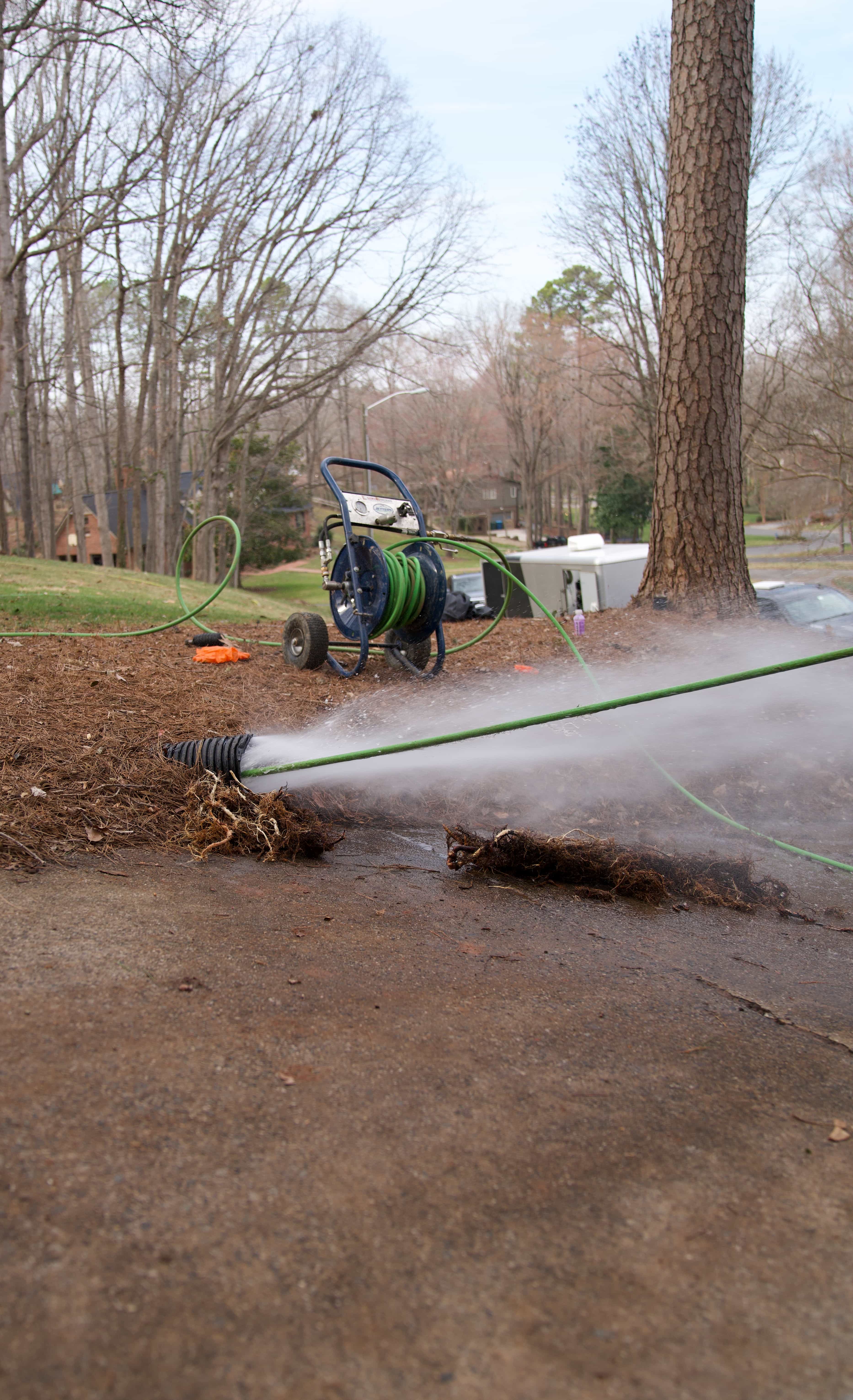
We hydro-jet the section around the defect to ensure the liner bonds to clean pipe wall on both sides. Even a small area of grease or root debris compromises the bond.

Spot Lining uses a resin-saturated short liner tube

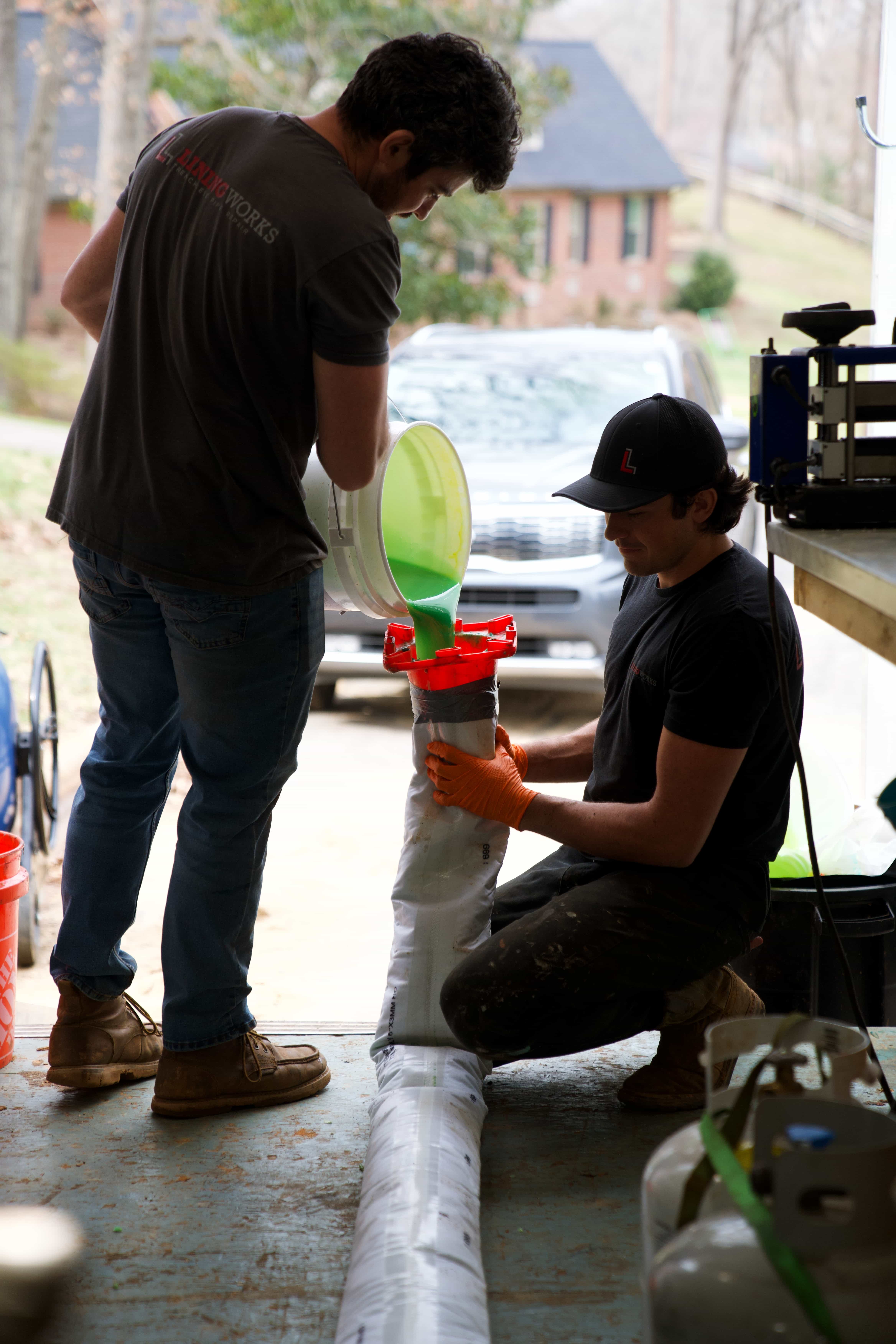
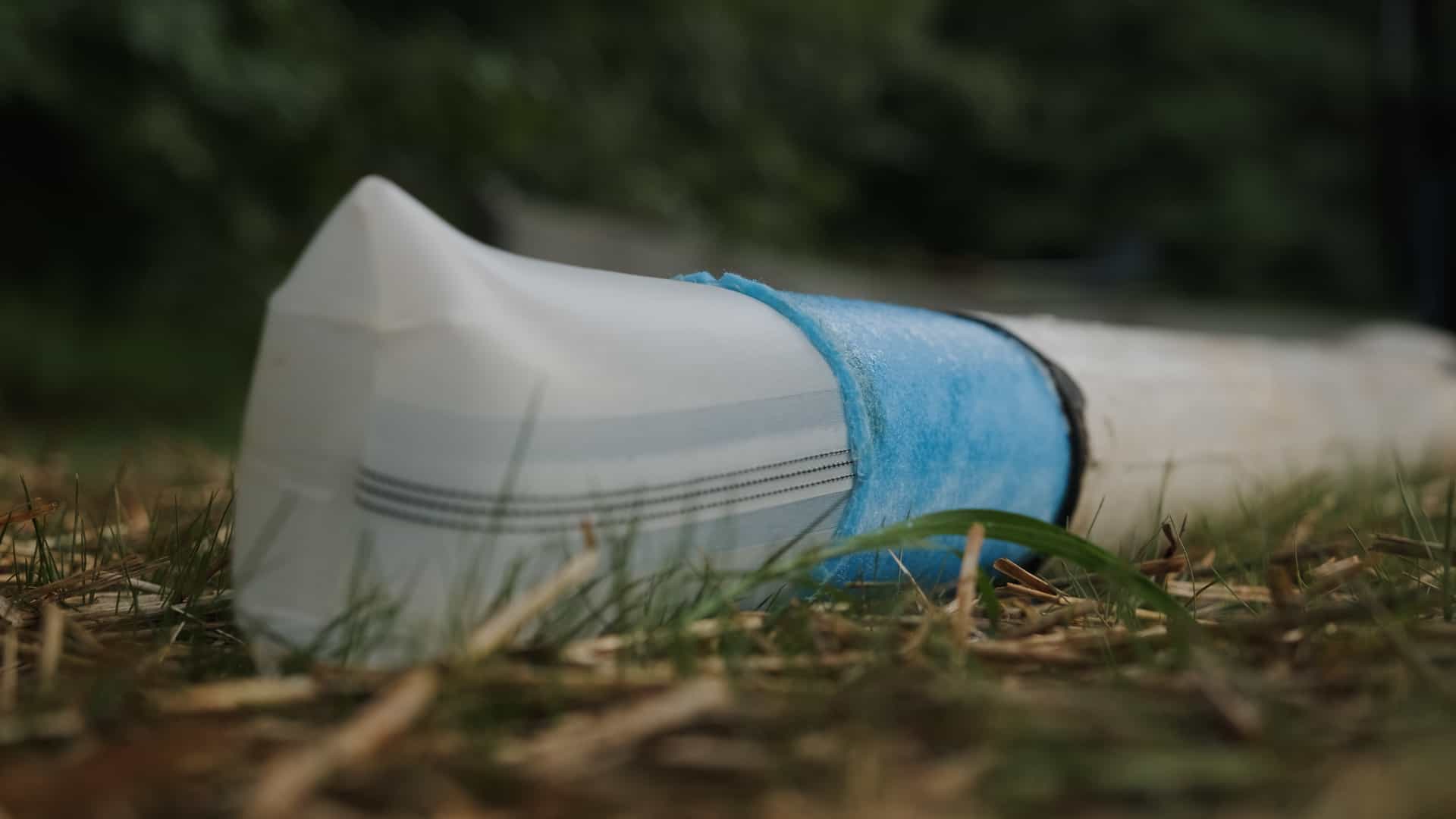
The spot liner is a short CIPP tube (typically 12 to 36 inches) saturated with resin and sized to overlap the defect by at least four inches on each side.

Spot Lining is verified by camera at the defect location

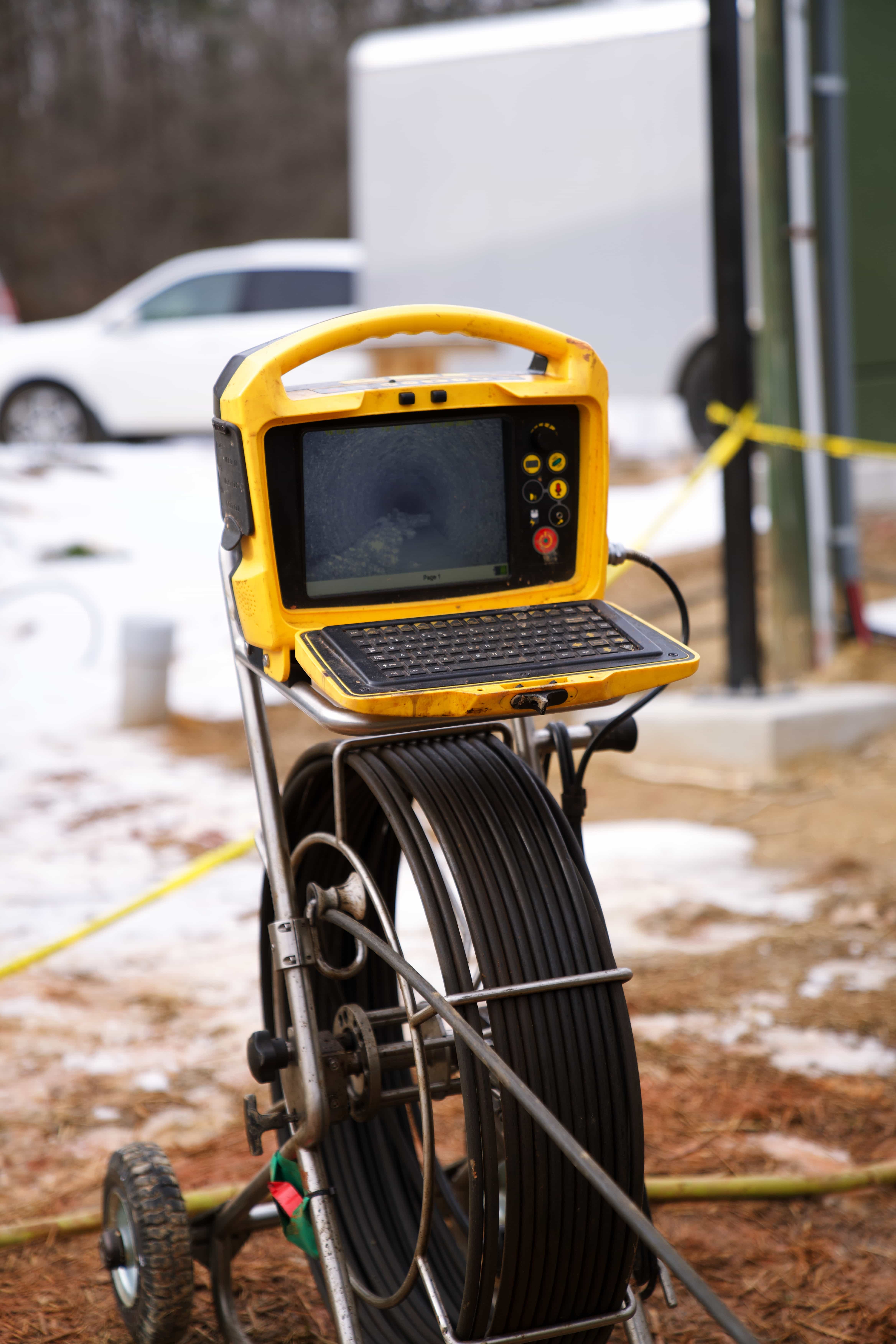
After the spot liner cures, a camera confirms the patch is fully seated and bonded. You see the repaired section on screen before we close out the job.
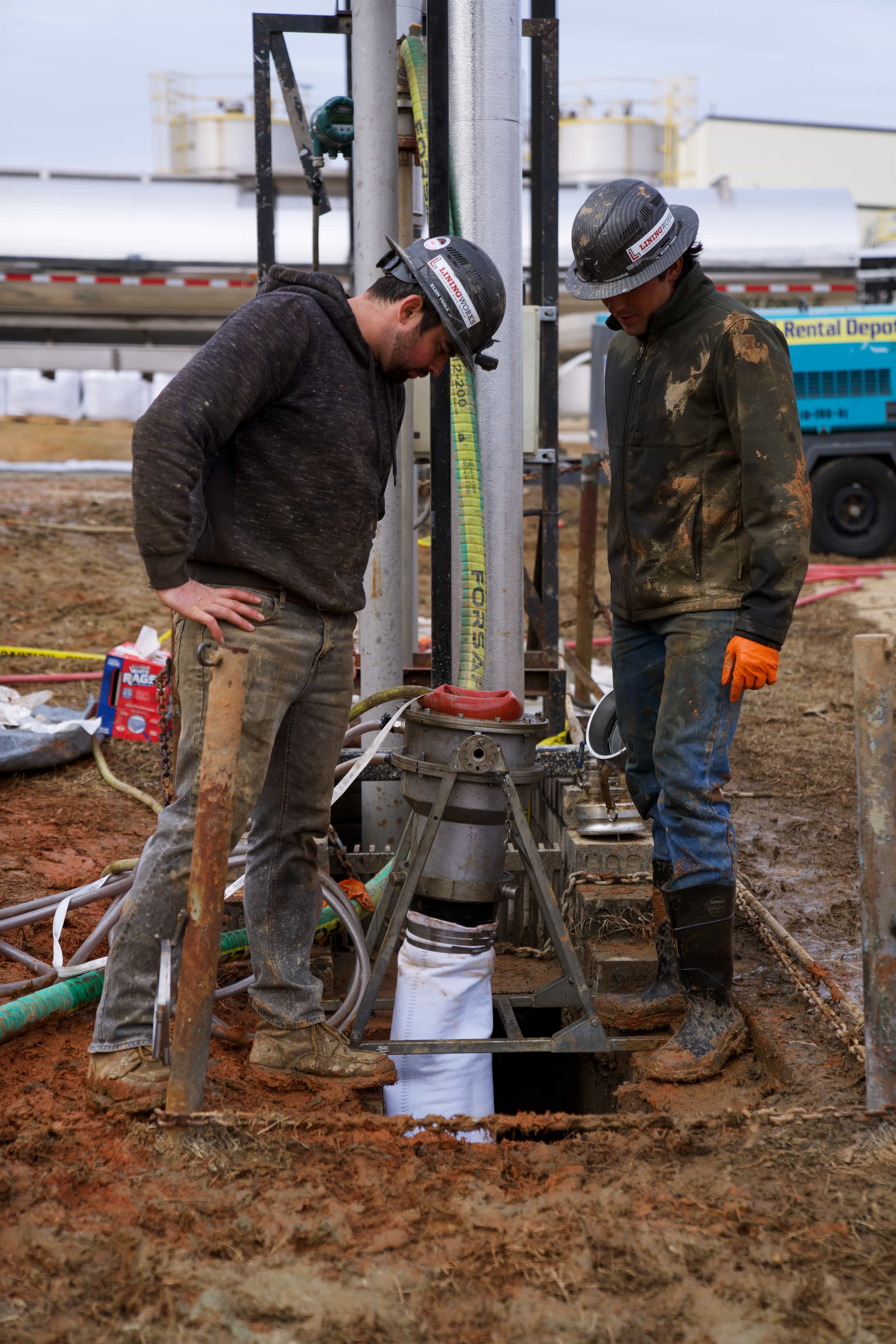
LiningWorks crew placing a spot liner over a single defect in a Charlotte residential sewer line.

SIMPLE PROCESS

The Spot Lining process, step by step.

Same precise sequence on every spot liner job, whether the patch is over a 12-inch crack or a 36-inch joint gap.

Camera-locate the defect before any spot liner prep.
Step 1

Camera-locate the defect precisely.

A high-resolution sewer camera locates the defect to the foot and determines its length, width, and pipe diameter. This footage drives the spot liner specification.

Talk to a LiningWorks Tech
Hydro-jet the defect area so the liner bonds cleanly.
Step 2

Hydro-jet the defect area so the liner bonds cleanly.

We jet the pipe wall at and around the defect location. The resin liner must bond to clean pipe material; even minor contamination at the defect edge compromises the seal.

Talk to a LiningWorks Tech
Prepare and saturate the short spot liner tube.
Step 3

Prepare and saturate the short spot liner tube.

We cut and saturate a short CIPP tube sized to overlap the defect by at least four inches on each side. The resin is mixed fresh on site.

Talk to a LiningWorks Tech
Place the spot liner precisely over the defect.
Step 4

Place the spot liner precisely over the defect.

Using a placement tool, we position the saturated liner exactly over the defect and inflate it under controlled pressure against the host pipe wall on both sides.

Talk to a LiningWorks Tech
Cure and verify the spot liner with a final camera pass.
Step 5

Cure and verify the spot liner with a final camera pass.

The spot liner cures under pressure. Once cured, a camera confirms the patch is fully sealed at the defect. You see the repair on screen and keep the verification video.

Talk to a LiningWorks Tech
LiningWorks camera scope located at the cleanout for a spot liner placement on a Charlotte residential line.

BEFORE & AFTER

Spot Lining fixed: a Belmont home, one root-entry crack in an otherwise sound line.

Annual camera scopes kept showing root intrusion at the 31-foot mark. The rest of the 58-foot line was structurally sound. LiningWorks placed a 24-inch spot liner over the crack in a single two-hour visit. Roots sealed permanently, and the verification scope confirmed full closure at the defect.

Spot lining is the right call when the camera confirms one isolated defect. There is no reason to line 58 feet when only 24 inches are defective. One targeted patch, one flat price, problem solved.

Book My Spot Lining
WHAT HOMEOWNERS SAY

Real results. Real reviews.

Every review below is posted directly on Google by verified customers.

WHY HOMEOWNERS TRUST US

What you get on every LiningWorks Spot Lining job.

Precision and verification on every spot liner we place, whether it is 12 inches or 36.
Fast turnaround on Spot Lining jobs

Most spot liner placements complete in a single half-day visit. Camera scope to verified cure in one appointment.

Written flat-rate quote before we place the liner

You see the camera footage of the defect and the flat-rate spot liner price before any work begins.

Workmanship guarantee on every spot liner

Every spot liner LiningWorks places is backed by our written workmanship guarantee.

Family-owned, same crew places every spot liner

No subcontractors. The same brothers who scope the defect place the spot liner and run the verification.
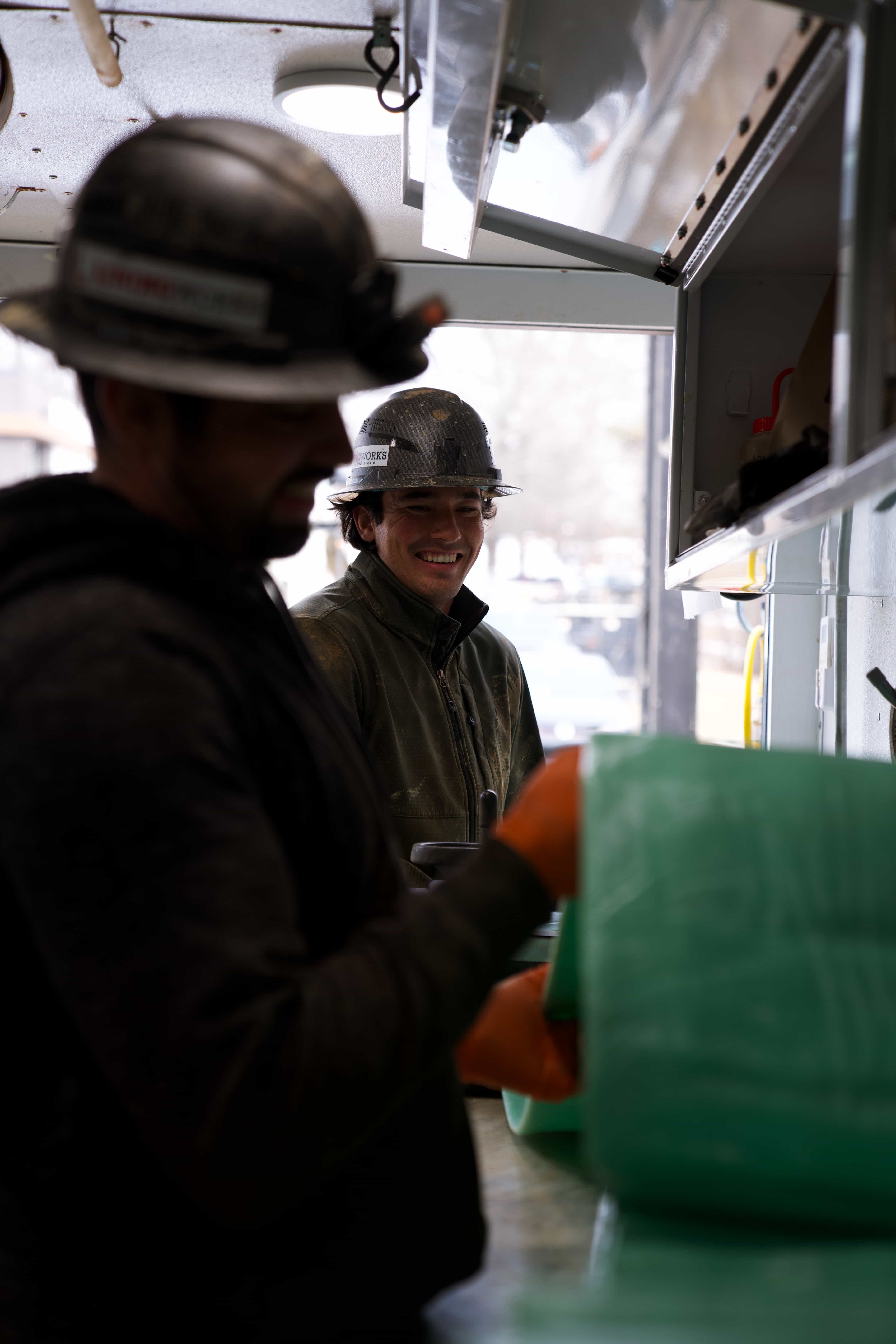
LiningWorks brothers in front of a service truck, Charlotte's trenchless sewer repair specialists.

FAQ

Spot Lining: Frequently Asked Questions

Short, honest answers: the same way we'd explain it on the phone.

Spot lining repairs a localized section of a sewer pipe (typically a single failed joint, crack, or root entry point) using a short-section CIPP liner. It is used when the rest of the pipe is in good condition and a full-run liner is not warranted.

A full CIPP liner covers the entire repair run from cleanout to cleanout. A spot liner addresses a single defect (typically 1 to 5 feet long) with a 2-foot overlap on each side for a secure seal. Full lining is more efficient when defects are distributed throughout the run.

After CCTV inspection confirms the defect location, targeted hydro jetting cleans the repair zone. A resin-saturated short-section liner is positioned at the defect using the camera as a guide and cured, usually within two hours.

No. The spot liner is installed through existing cleanout access using the camera and liner equipment. No digging is required.

Most spot lining jobs are completed in half a day: camera inspection, cleaning, liner installation, and post-installation verification are all done in a single visit.

Still have questions? Call us at 336-477-3218 — same-week service, Mon–Sat 7AM–6PM.

FROM THE BLOG

Plain-English advice from your neighbors.

Stories, signs to watch for, and what actually works underground, straight from our crews.
Read all posts

OUR LOCATIONS

Two local offices, ready when you need us.

See All Service Areas
Mocksville, NC
LiningWorks
2200 Davie Academy Rd
Mocksville, NC 27028
336-477-3218
Charlotte, NC
LiningWorks
6630 E W.T. Harris Blvd, Suite K2
Charlotte, NC 28215
336-477-3218