
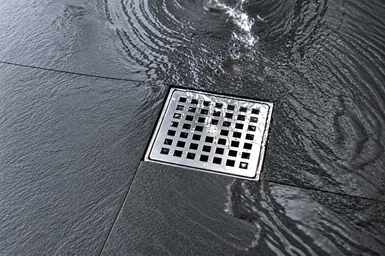
If you’re noticing slow drains and gurgling sounds at the same time, your plumbing is trying to tell you something.
A single slow drain is usually a local clog, something like hair, grease, or soap buildup. But gurgling sounds mean trapped air is escaping through your drains, and that almost always means a clog is forming further down in your main sewer line.
Ignore it long enough, and a sewer line clog can turn into a full backup inside your home. The sooner you know what’s causing it, the easier it is to fix.
Here’s what typically causes slow drains and gurgling sounds, and what actually works to fix it for good.
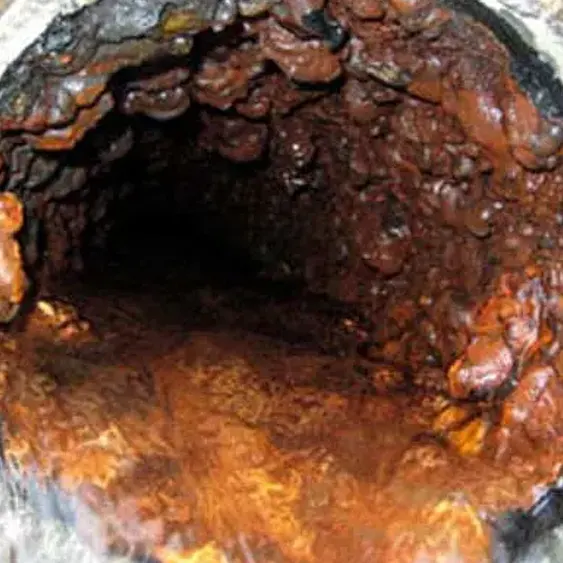
First Things First: What Causes Slow Drains?
A single slow drain in one sink? That’s usually a local clog. Hair. Grease. Soap buildup. The usual suspects.
But when you’ve got:
- Multiple slow drains
- Gurgling sounds from toilets or tubs
- Water backing up in strange places
You’re not dealing with a minor nuisance. You’re likely dealing with a sewer line clog.
And that’s a different animal entirely.
Your sewer line is the main highway carrying wastewater away from your home. When that line gets blocked or damaged, everything slows down. The water has nowhere to go.
And when water can’t move forward?
It starts talking.
Why Are Your Drains Gurgling?
Gurgling drains happen because of trapped air.
Here’s the simple version:
When wastewater tries to move past a clog in your sewer line, it creates pressure. That pressure pushes air back up through your drains. The air escapes in bubbles.
And those bubbles make that lovely glug-glug sound.
Think of it like trying to drink a thick milkshake through a tiny straw. Eventually, the straw fights back.
Your pipes are doing the same thing.
If you ignore it, that air pressure can turn into something worse: a full-blown sewer backup.
And trust us, nobody wants that.
The Usual Suspects Behind Recurring Clogs
If you’re constantly reaching for a plunger, it’s not bad luck. It’s a pattern.
Here’s what commonly causes recurring clogs:
1. Grease Buildup
Grease doesn’t disappear. It cools. It hardens. It narrows your pipes.
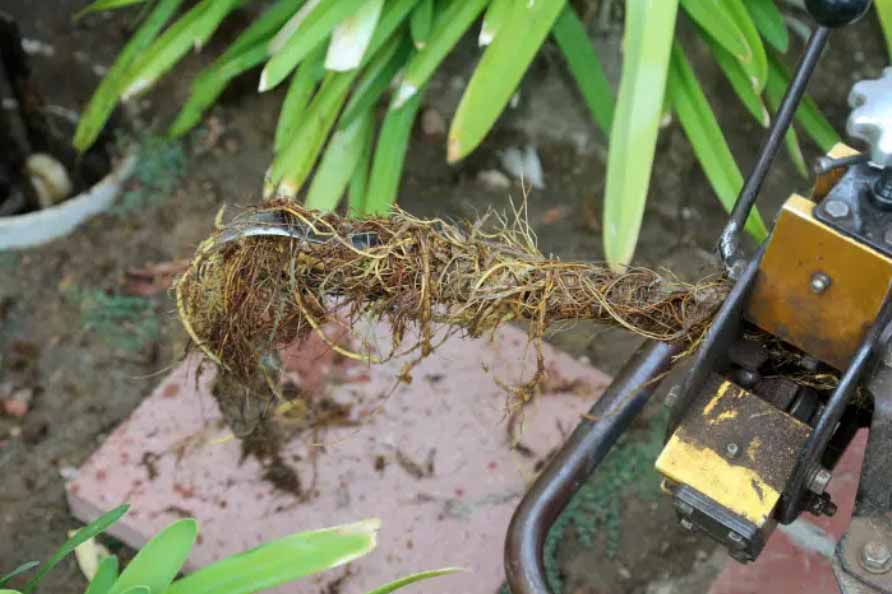
2. Tree Roots
Roots love moisture. If your sewer line has even a tiny crack, they’ll find it. And once they’re in, they grow. Fast.
3. Pipe Damage
Older pipes can crack, collapse, or shift. When that happens, waste can’t move properly.
4. Flushed “Flushable” Products
Spoiler alert: most “flushable” wipes aren’t.
If you’re seeing slow drains across the house, the problem likely isn’t in the sink. It’s underground.
What Happens If You Ignore It?
Here’s where things get expensive.
Slow drains today can turn into:
- Full sewer backups
- Water damage inside your home
- Foundation issues from leaking sewer lines
- Health hazards from contaminated water
And the longer you wait, the worse it gets.
What could have been simple drain cleaning might turn into major sewer line repair.
That’s not fear talking. That’s physics.
Step One: Find Out What’s Actually Going On
Before you start digging up your yard, or panicking, you need answers.
That’s where a sewer camera inspection comes in.
A small waterproof camera goes into your sewer line. It shows exactly what’s happening inside.
No guessing. No unnecessary digging. No surprises.
You’ll see:
- Whether there’s a sewer line clog
- If roots are present
- If pipes are cracked or broken
- How severe the blockage is
It’s the plumbing equivalent of an X-ray.
And once you know the real problem, you can fix it the right way.
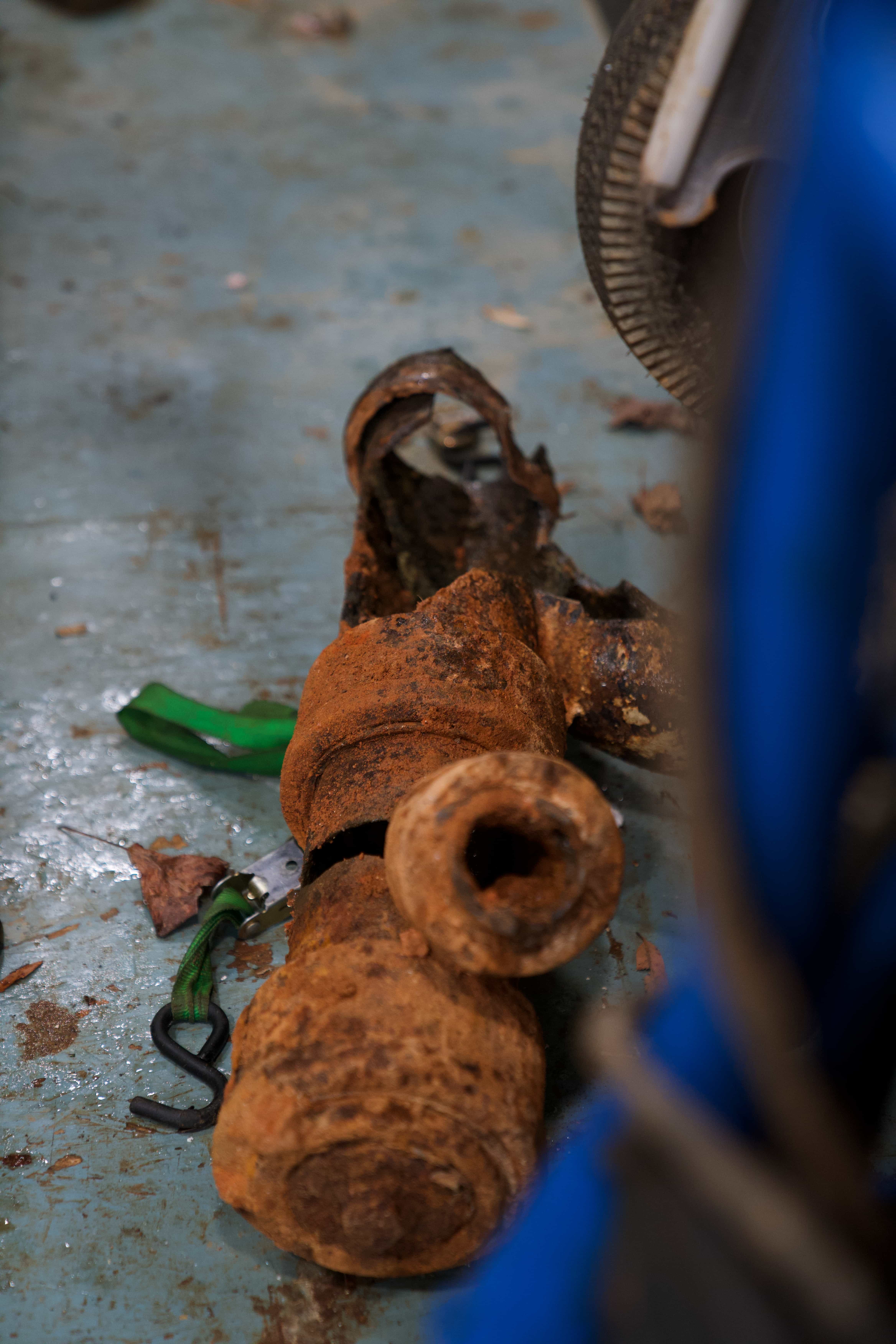
How Professionals Fix Slow Drains (The Right Way)
Not all clogs are created equal. And not all solutions work for every situation.
Here’s how professionals typically handle it.
Drain Cleaning
Basic drain cleaning works for smaller blockages.
This may involve:
- Removing buildup
- Clearing minor obstructions
- Restoring normal flow
But if the clog is deep in the main sewer line, you’ll need something stronger.
Sewer Line Snaking
Sewer line snaking uses a rotating cable to break apart blockages.
It’s effective for:
- Grease clogs
- Hair buildup
- Minor root intrusion
But here’s the catch: it pokes a hole through the clog. It doesn’t always remove all the buildup. That means the problem can come back.
And when it comes back, it usually brings friends.
Hydro Jetting
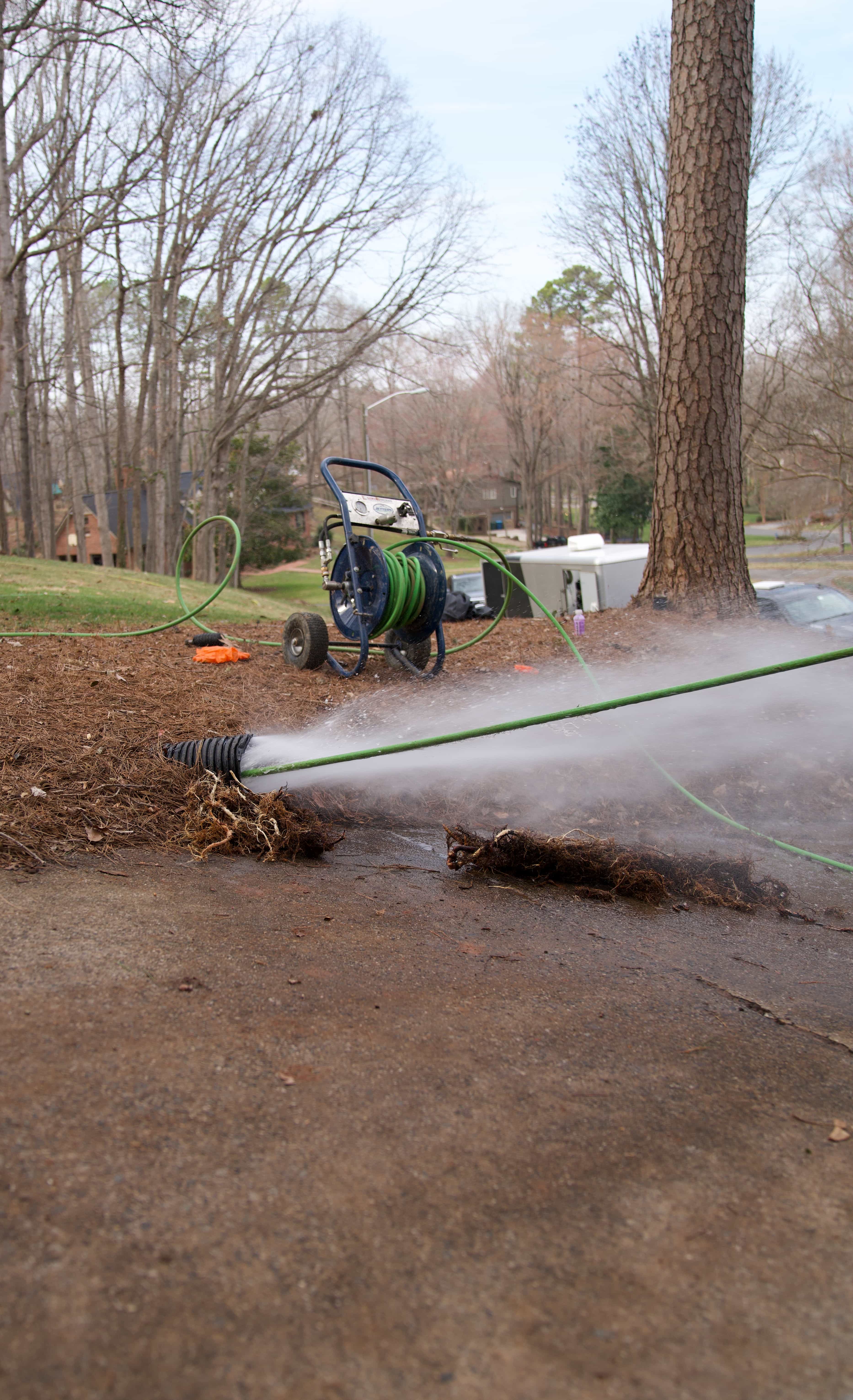
Hydro jetting uses high-pressure water to blast the inside of your pipes clean. Not poke. Not nudge. Clean.
It removes:
- Grease
- Sludge
- Roots
- Years of buildup
If your slow drains are caused by heavy debris or recurring clogs, hydro jetting can restore your pipes almost like new.
It’s one of the most effective tools for sewer backup prevention.
Sewer Line Repair (When Damage Is the Real Problem)
Sometimes, the issue isn’t a clog. It’s a broken pipe. Cracks, collapses, or severe root damage require sewer line repair.
The good news?
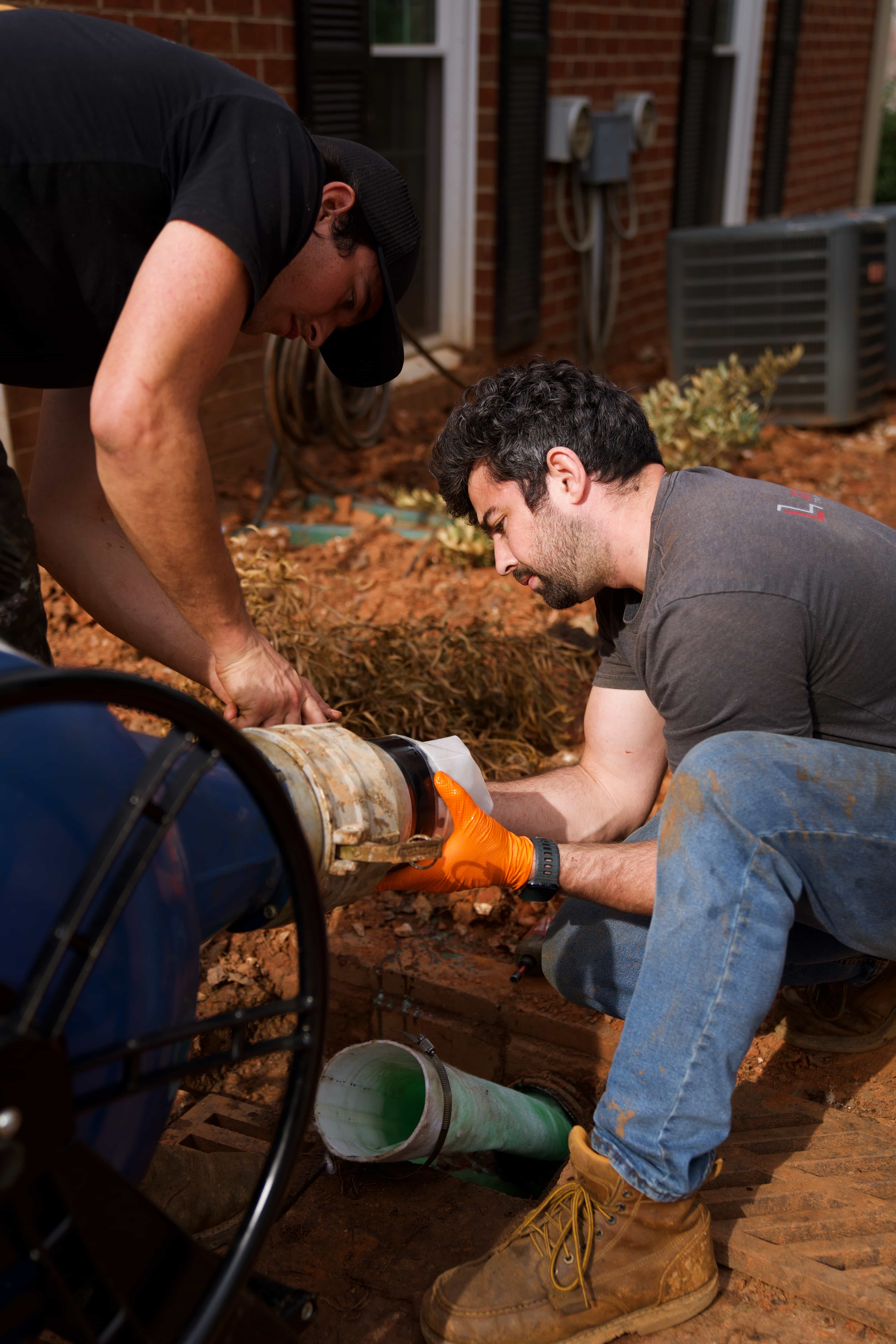
Modern trenchless solutions allow many repairs without tearing up your yard. No backhoes. No destroyed landscaping. No weeks of disruption. Just targeted repairs that solve the problem at the source.
How to Know It’s Time to Call a Professional
Here’s your checklist:
- More than one slow drain
- Gurgling drains or toilets
- Water backing up into tubs or showers
- Foul odors coming from drains
- Frequent plunging
If you checked even two of those boxes, it’s time. Because plumbing problems don’t fix themselves. They age like milk.
The Cost of Waiting vs. The Cost of Acting
Let’s be honest. Most homeowners wait because they’re worried about cost.
But here’s the reality:
- Early drain cleaning = manageable repair
- Advanced sewer line repair after a backup = major expense
A small inspection today can prevent thousands in damage tomorrow.
That’s not a sales pitch. That’s math.
The Smart Move: Get Answers Before It Gets Worse
If you’re in Winston-Salem, NC, or the surrounding areas, and you’re dealing with slow drains, gurgling sounds, or recurring clogs, don’t guess.
At LiningWorks, we specialize in diagnosing the real issue first.
We use:
- Professional sewer camera inspection
- Thorough drain cleaning
- Sewer line snaking
- Advanced hydro jetting
- Long-lasting trenchless sewer line repair
We don’t just clear clogs. We solve problems. And we do it without tearing up your yard or leaving you in the dark.
Don’t Wait for a Sewer Backup
Slow drains are your early warning system. Gurgling drains are your second warning. A sewer backup? That’s the final exam you don’t want to take.
If something doesn’t sound right, or drain right, it probably isn’t.
Schedule an Inspection Today
Let our team find out what’s really going on inside your pipes. No pressure. No surprise upsells. Just honest answers and real solutions.
Because when it comes to your home…
It’s better to fix it now than clean it up later.