
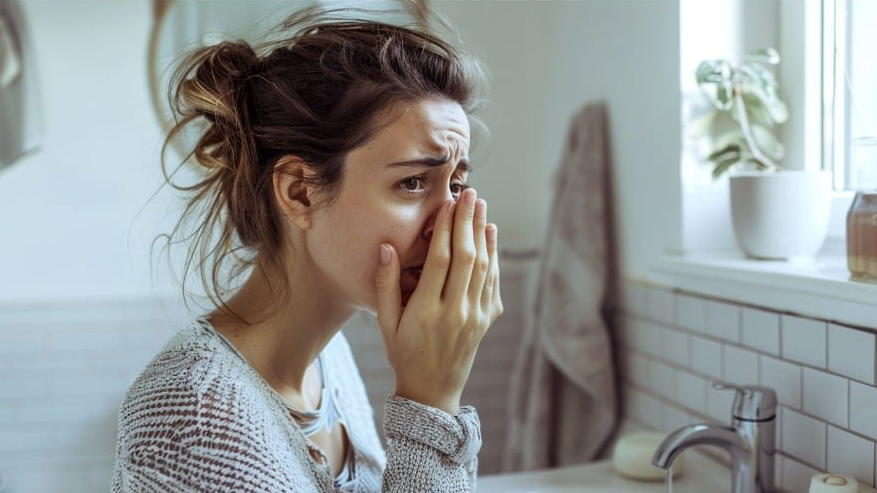
If your house smells like sewage, something in your plumbing system is broken, blocked, or leaking, and the smell won’t go away until you find out which one it is.
That sharp, rotten sewer gas smell usually comes down to a handful of causes: a dried-out drain trap, a clogged vent, buildup inside your pipes, or a leak somewhere in your sewer line.
Some of these causes are a quick fix. Others need a closer look before they turn into a bigger repair.
Here are the 7 most common reasons your house smells like sewage, and how to tell which one you’re dealing with.
1. Dry P-Trap (The Simplest Fix)
Before we assume disaster, let’s start small.
Every sink, shower, and floor drain has a curved pipe underneath called a P-trap. That bend holds water. And that water acts like a bouncer. It keeps sewer gas from coming back up into your home.
But if a drain hasn’t been used in a while? That water evaporates.
No water = no barrier = sewer smell in bathroom, laundry room, or basement.
The fix? Run water for 30–60 seconds.
Sometimes the solution is that simple.
But if the smell sticks around… we keep digging.
2. Buildup in Your Drains
Hair. Soap. Grease. Toothpaste. Things you’d rather not think about.
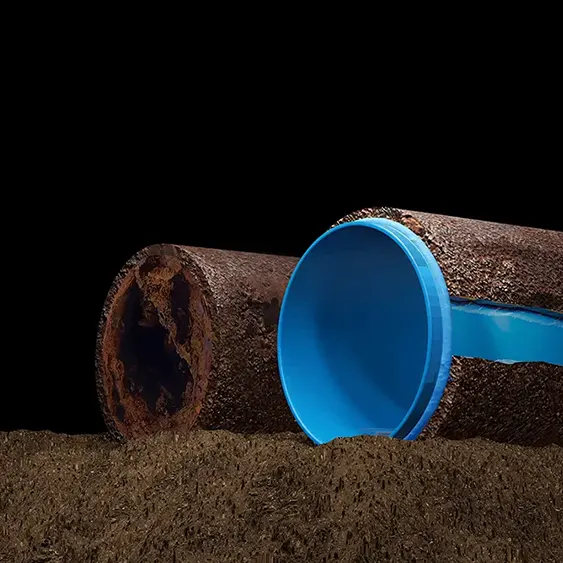
Over time, that stuff builds up inside your pipes. It starts to rot. And when organic material rots, it creates foul odors.
That smell can mimic a sewer gas problem, even though the issue is right there in the drain.
A professional drain cleaning service can scrub the inside of the pipe clean and eliminate the odor at its source.
If your sink smells worse when water runs? That’s a strong clue.
3. Sewer Gas Leak Inside the Home
Now we move into more serious territory.
A cracked pipe under your floor or behind your wall can release sewer gas into your home.
That gas often carries a hydrogen sulfide odor. You know the one: rotten eggs.
Small leaks can go unnoticed for months, quietly releasing foul odors into house air space.
The problem isn’t just the smell.
Breathing sewer gas long-term isn’t healthy. It can cause headaches, nausea, and irritation.
If the odor seems stronger in one specific area of your home, you could be dealing with a sewer line leak.
And that’s not something you solve with air freshener.
4. Sewer Vent Issues on the Roof
Your plumbing system has vent pipes that run up through the roof. These vents release sewer gases safely into the air.
But if those vents get clogged with leaves, nests, or debris, pressure builds up in your plumbing.
When pressure can’t escape upward, it finds another path.
Usually through your drains.
That’s when you start noticing a sewer gas smell indoors.
Sewer vent issues are often overlooked because most people don’t think to check their roof when their bathroom smells bad.
But your plumbing system? It’s all connected.
5. A Hidden Sewer Line Leak Underground
Now we’re talking about something that requires real attention.
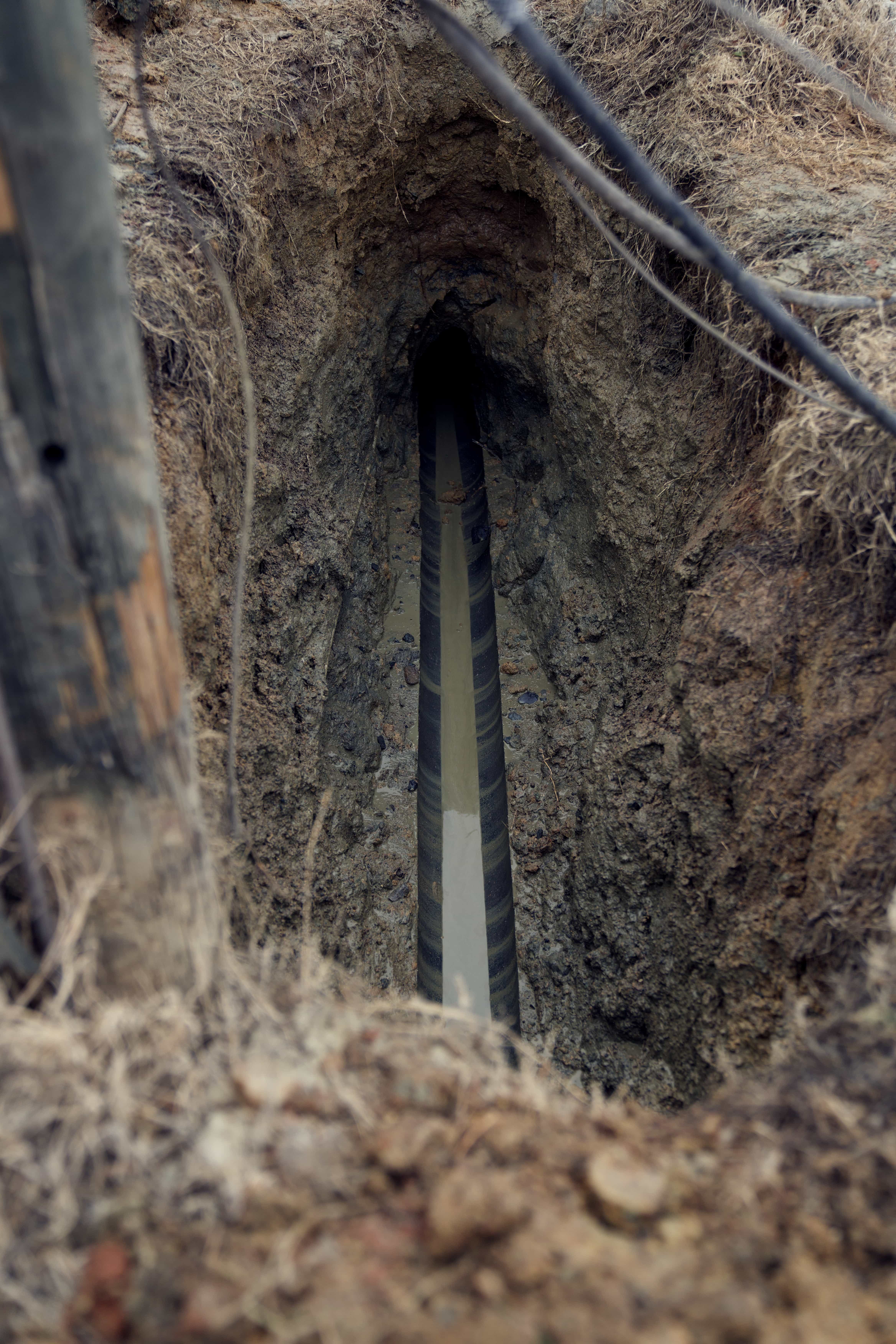
If your main sewer line cracks or separates underground, wastewater and gases can escape into the soil.
Eventually, that smell can make its way inside your home.
You might also notice:
- Soggy patches in the yard
- Extra-green grass in one area
- Foundation cracks
- Persistent foul odors
The only way to confirm it?
A professional sewer camera inspection.
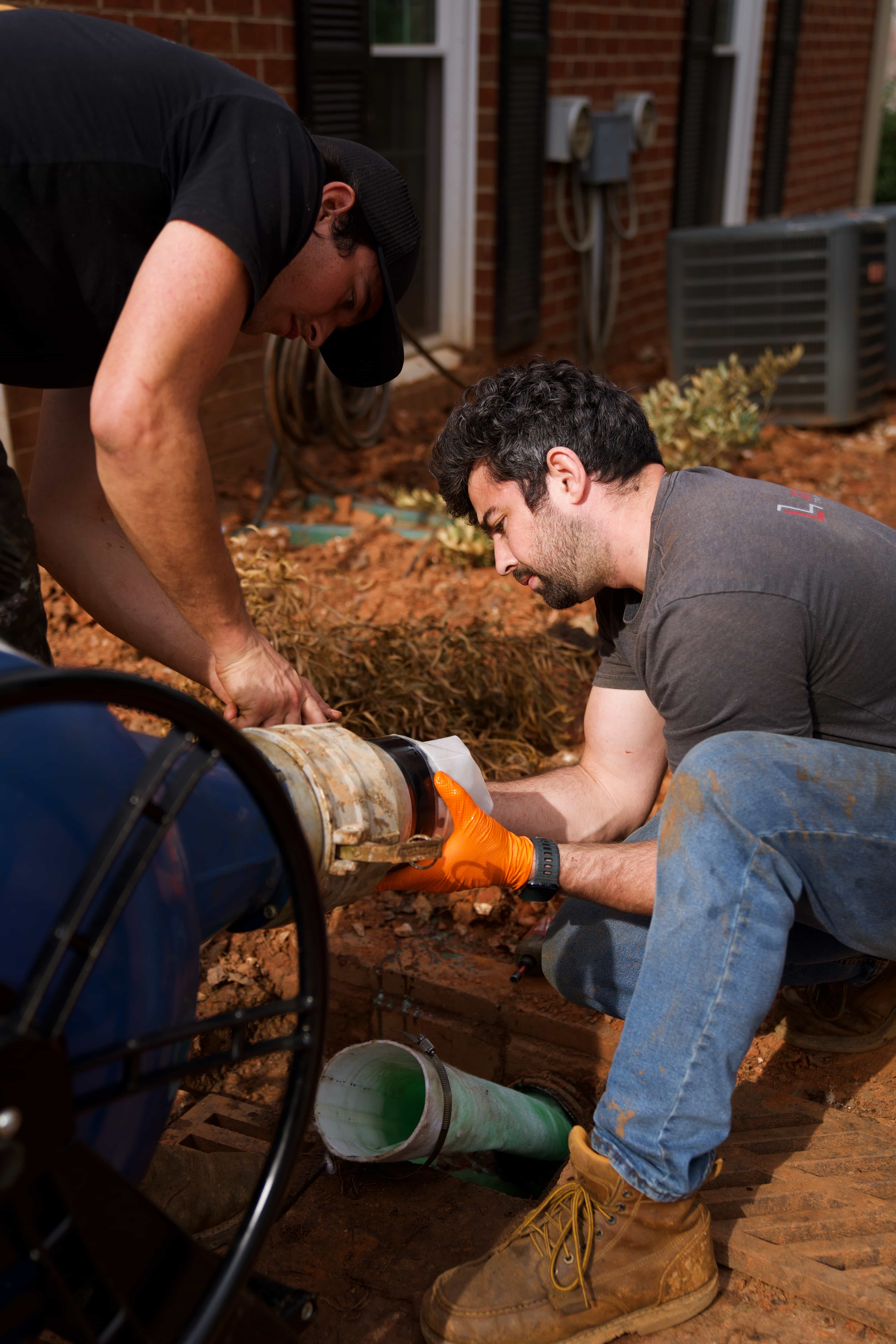
This allows technicians to locate sewer line leak problems without digging up your entire yard.
No guesswork. Just evidence.
And if a break is found, modern trenchless pipe repair can often fix it without destroying your landscaping.
No backhoes. No torn-up driveway. Just targeted repair.
6. Wax Ring Failure Under the Toilet
Here’s one most homeowners never think about.
Your toilet sits on a wax ring that seals it to the drain pipe below.
Over time, that wax can crack, compress, or fail.
When that happens, sewer gases can escape from beneath the toilet.
You may notice:
- A sewer smell in bathroom that won’t go away
- Slight rocking in the toilet base
- Water around the bottom of the toilet
It’s a small component with a big job.
And when it fails, the smell doesn’t whisper.
7. Major Sewer Line Blockage
Let’s talk about the big one.
If you’ve got a severe sewer line clog, wastewater can’t move properly through the system.
When waste slows down, it builds pressure. When pressure builds, gases push backward.
That’s when you start noticing:
- Gurgling drains
- Slow flushing toilets
- Foul odors throughout the home
- Water backing up into tubs
Left alone, that clog can lead to a full sewer backup.
And that’s a situation nobody wants to explain to their insurance company.
Hydro jetting or professional snaking can clear heavy blockages and restore flow before things escalate.
Why Foul Odors Should Never Be Ignored
Here’s the truth.
Your plumbing system is designed to be airtight and efficient.
If you’re smelling sewage, something is broken, blocked, or leaking.
And while some causes are minor, others can:
- Damage your foundation
- Create health hazards
- Lower indoor air quality
- Lead to expensive emergency repairs
That smell is your warning sign.
Your house is trying to tell you something. For more information, see Signs You Need Professional Drain Cleaning Right Away.
How Professionals Diagnose the Problem
When foul odors in house plumbing systems don’t go away, guessing isn’t enough.
Here’s the smart approach:
- Inspect drains and traps
- Check vent stacks
- Perform a sewer camera inspection
- Locate sewer line leak if present
- Recommend repair options
If damage is found underground, trenchless pipe repair can often fix the issue without excavation chaos.
And if the problem is buildup or blockage, a thorough drain cleaning service can restore everything to normal.
The key is identifying the real cause.
Not masking it.
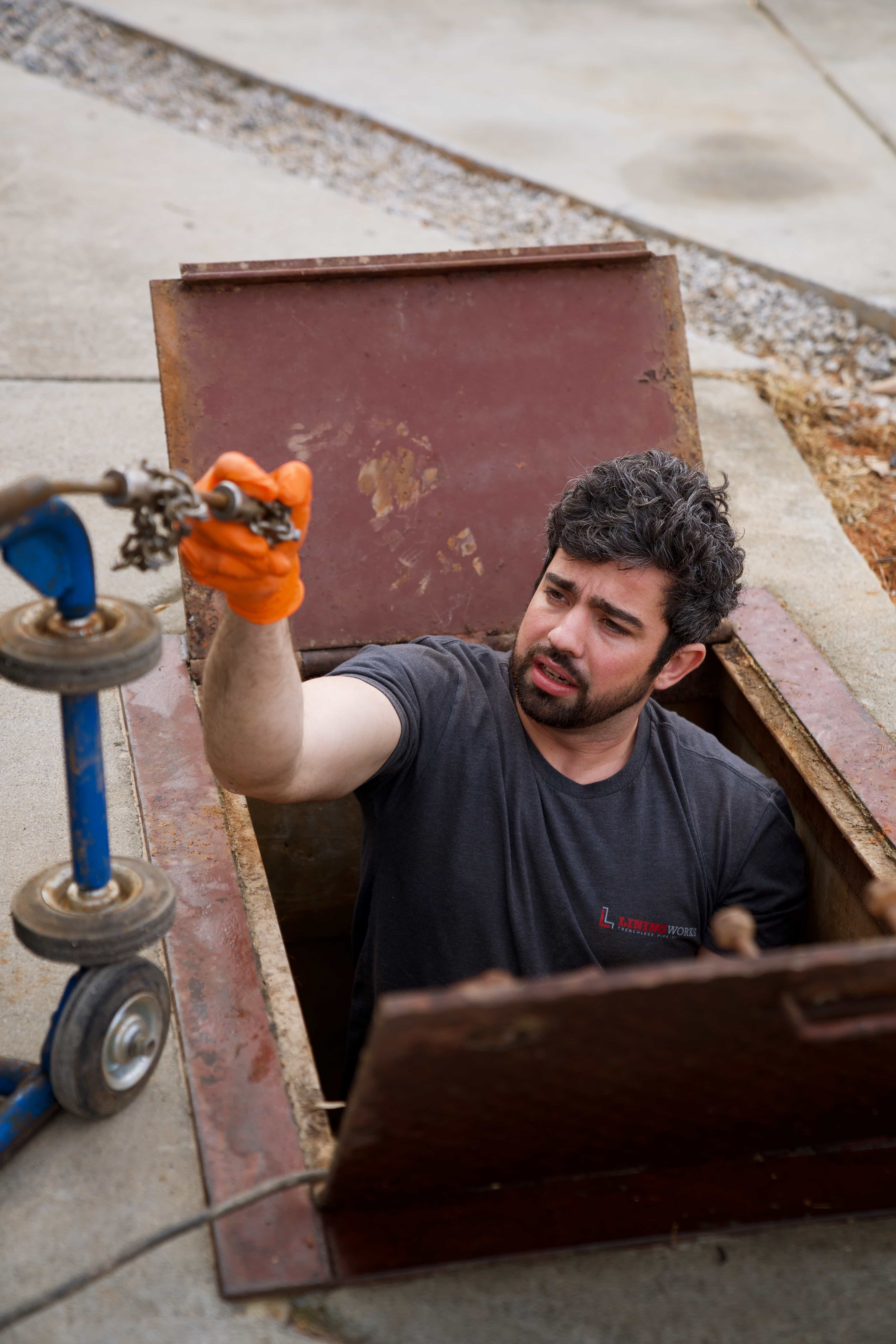
The Cost of Waiting
Most people ignore smells because they hope they’ll go away.
Sometimes they do.
Most of the time?
They get worse.
A small sewer line leak today can become:
- Structural damage tomorrow
- Mold growth next month
- A full sewer replacement next year
Acting early almost always costs less than waiting.
When It’s Time to Call for Help
If you notice:
- Persistent sewer gas smell
- Strong hydrogen sulfide odor
- Smells in multiple drains
- Gurgling along with foul odors
- Odor that worsens after flushing
It’s time.
Because plumbing problems don’t fix themselves.
They escalate quietly.
Don’t Just Cover It Up: Fix It
Air fresheners don’t repair pipes. And ignoring foul odors doesn’t make them disappear.
If your home smells like sewage, there’s a reason. And the sooner you find it, the easier it is to fix.
At LiningWorks, we specialize in identifying hidden plumbing problems with precision tools and proven solutions.
From sewer camera inspection to trenchless pipe repair, we solve problems at the source.
No unnecessary digging. No scare tactics. Just honest answers.
Schedule Your Inspection Today
If you’re dealing with foul odors, sewer smell in bathroom spaces, or unexplained sewer gas smells, don’t wait for it to turn into something bigger.
Let’s find the cause.
Let’s fix it right.
Because your home should smell like home.
Not like the city sewer system.