
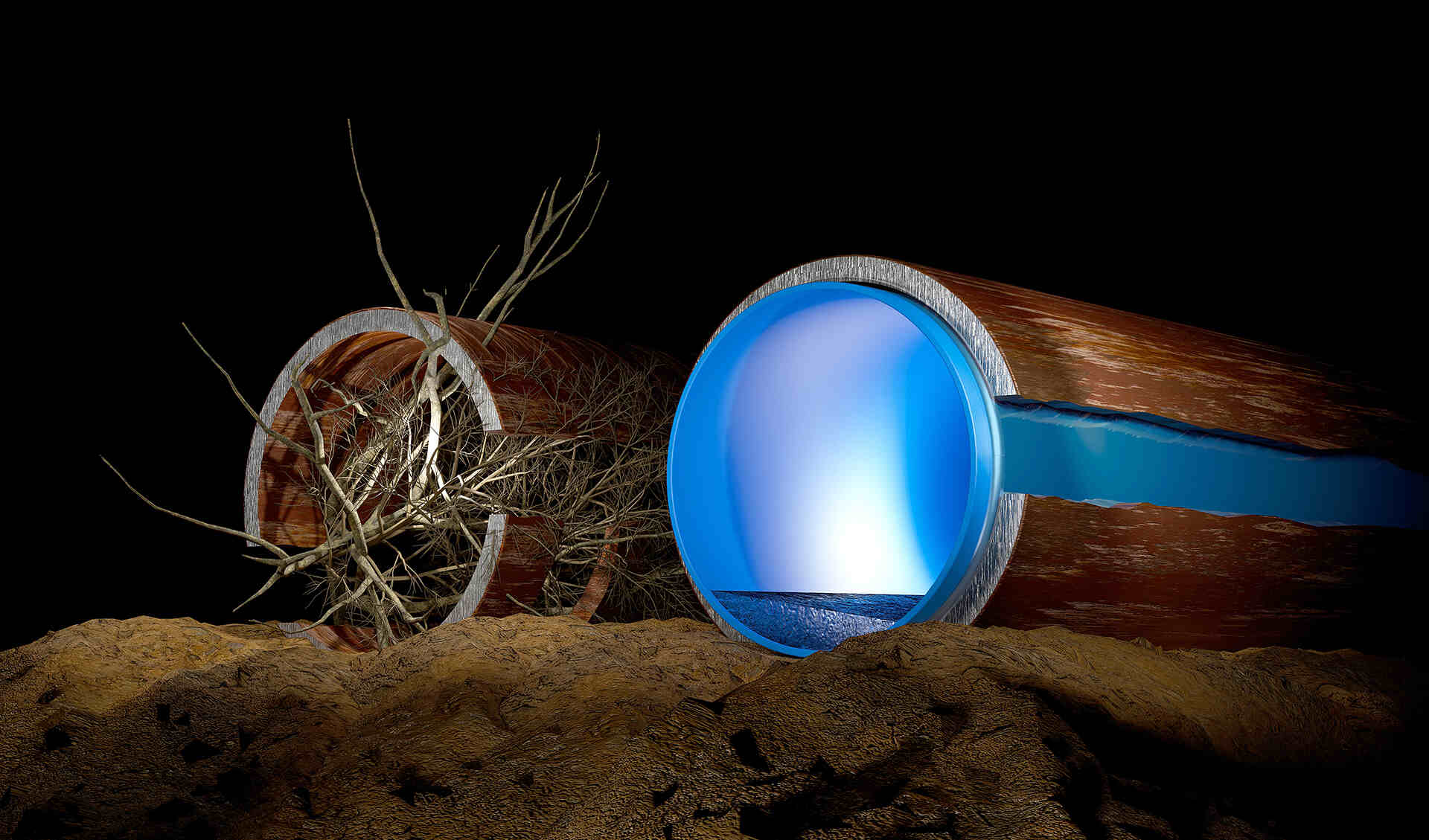
If your drains keep backing up, your yard smells off, or a simple clog will not clear, the problem might not be inside your house. It could be a damaged sewer line underground.
Trenchless sewer repair fixes that pipe without digging up your yard, driveway, or basement. It is one of the most practical solutions available today for homeowners who do not want their property turned into a construction site.
This guide explains what trenchless sewer repair is, how it works, what it costs, and how to know if it is the right fix for your home.
First Things First: What's Wrong with the Old Way?
Traditional sewer repair is… well, let's just say it's about as fun as stepping barefoot on a Lego in the dark.
The old-school method involves:
- Excavators
- Trenches
- Piles of dirt
- Destroyed landscaping
- Cracked driveways
- Long, noisy, expensive projects
All that, just to replace a pipe buried a few feet underground. You get your pipe fixed, sure, but you also get a hefty bill for restoring everything that got ripped up in the process.
That's where trenchless plumbing comes in. It's a better way to fix the same problem, minus the chaos.
So, What Is Trenchless Sewer Repair?
Trenchless sewer repair is exactly what it sounds like: repairing or replacing underground sewer pipes without digging trenches through your property.
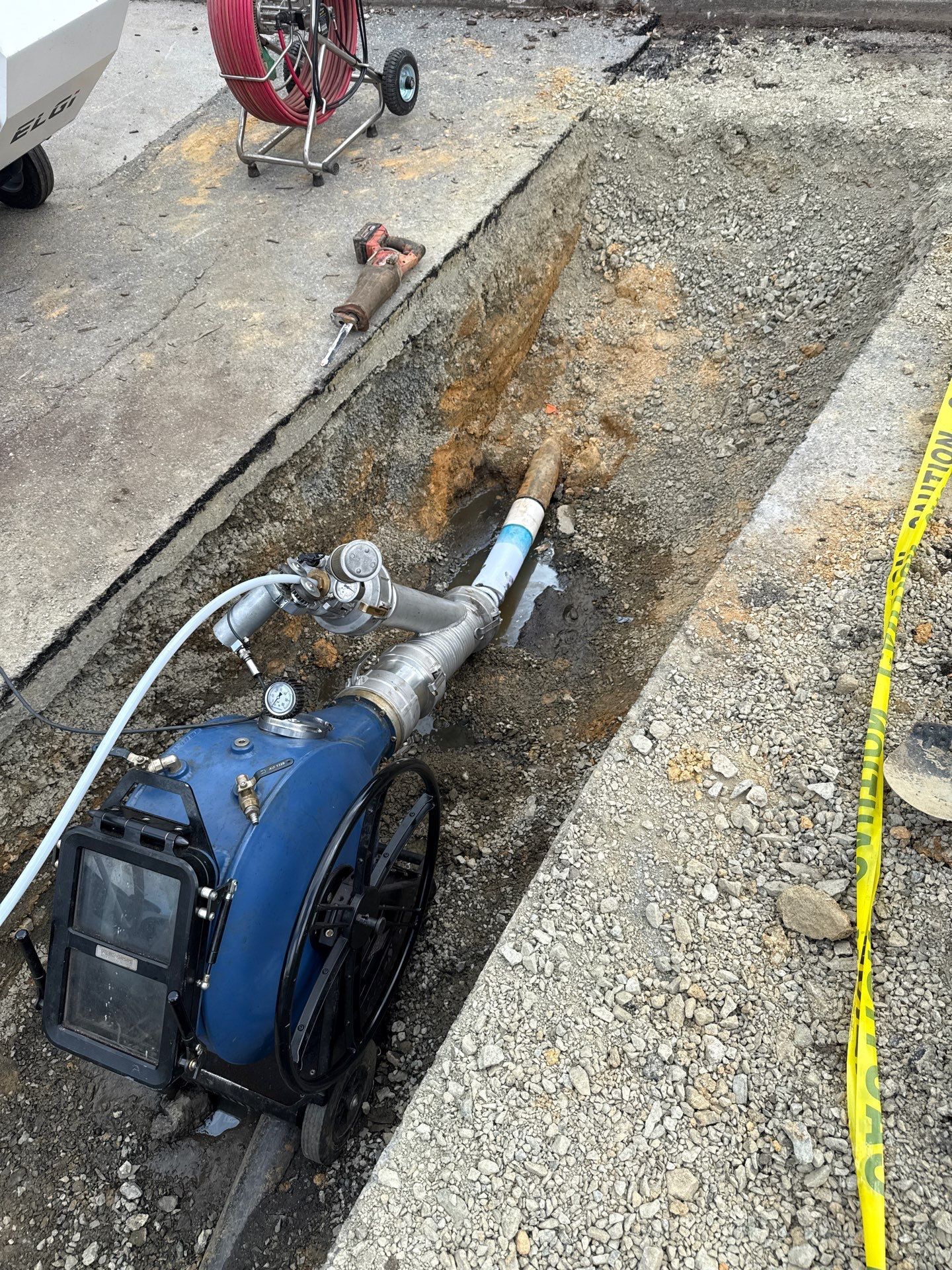
Instead of tearing up your yard, driveway, or basement, we use small access points to repair or replace the damaged pipe. It's cleaner. It's faster. And in most cases, it's just as effective (if not more).
The two most common trenchless methods are:
1. Cured-in-Place Pipe Lining (CIPP)
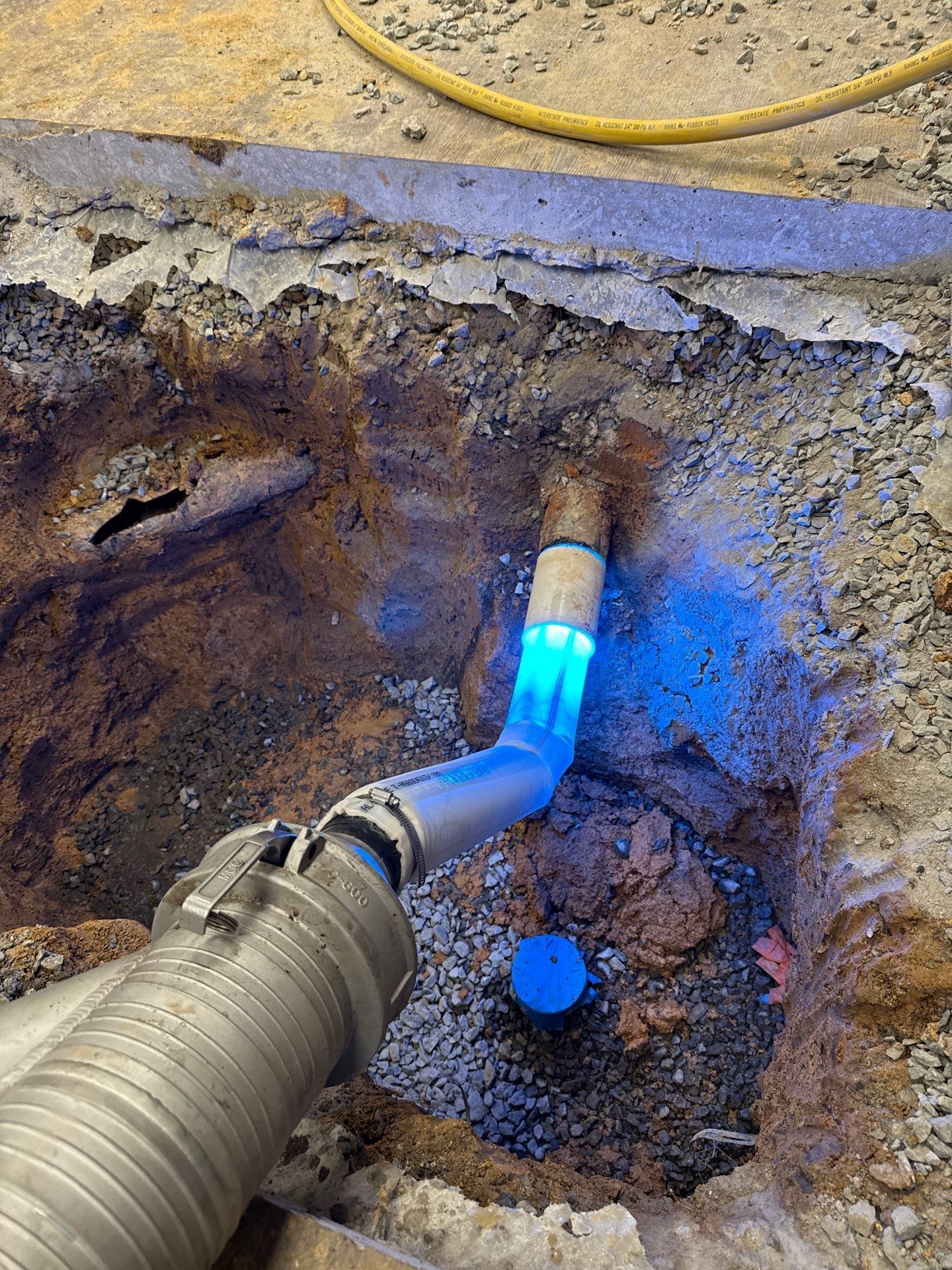
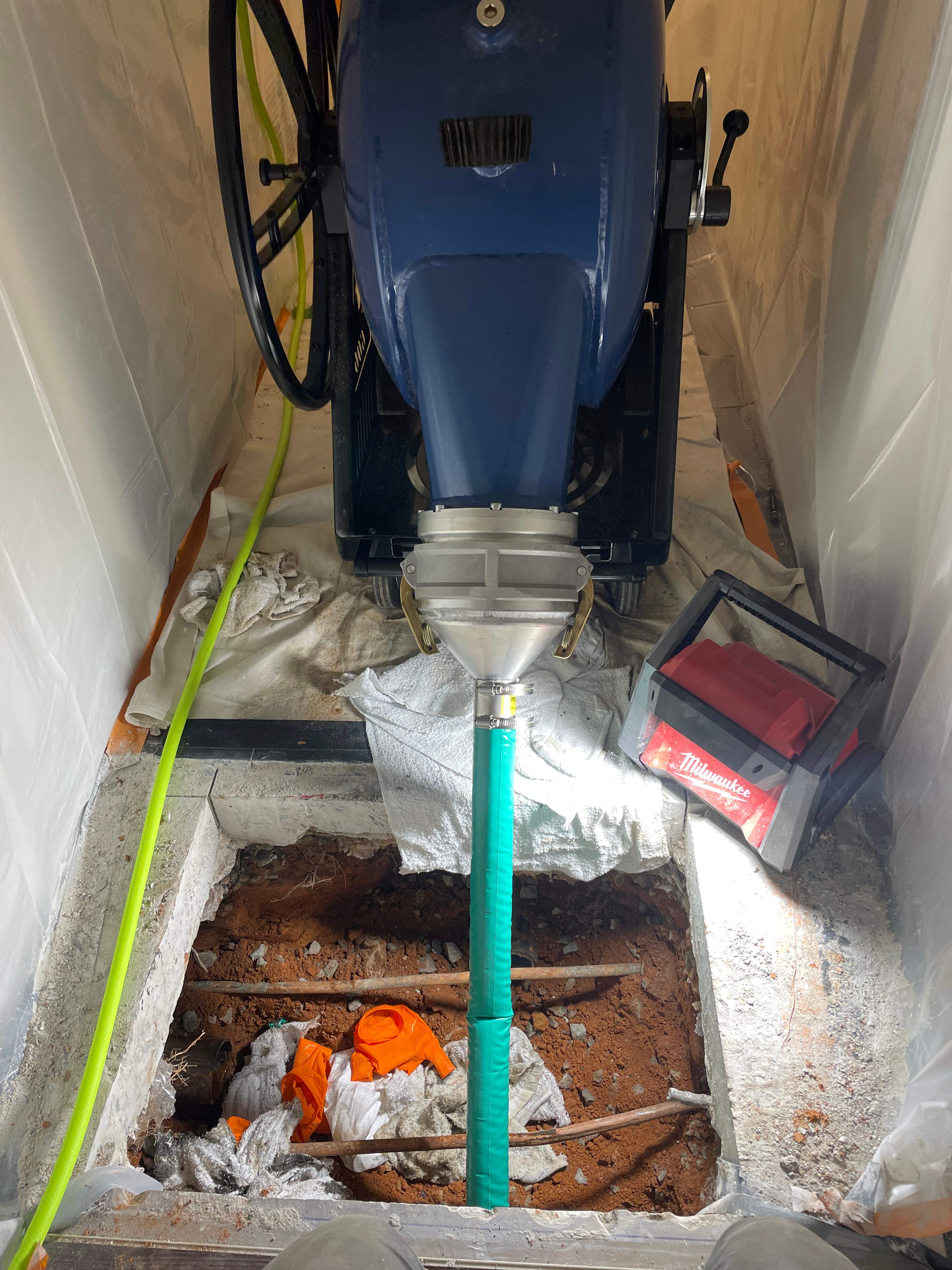
This is a fancy way of saying we make a new pipe inside your old one. Here's how it works:
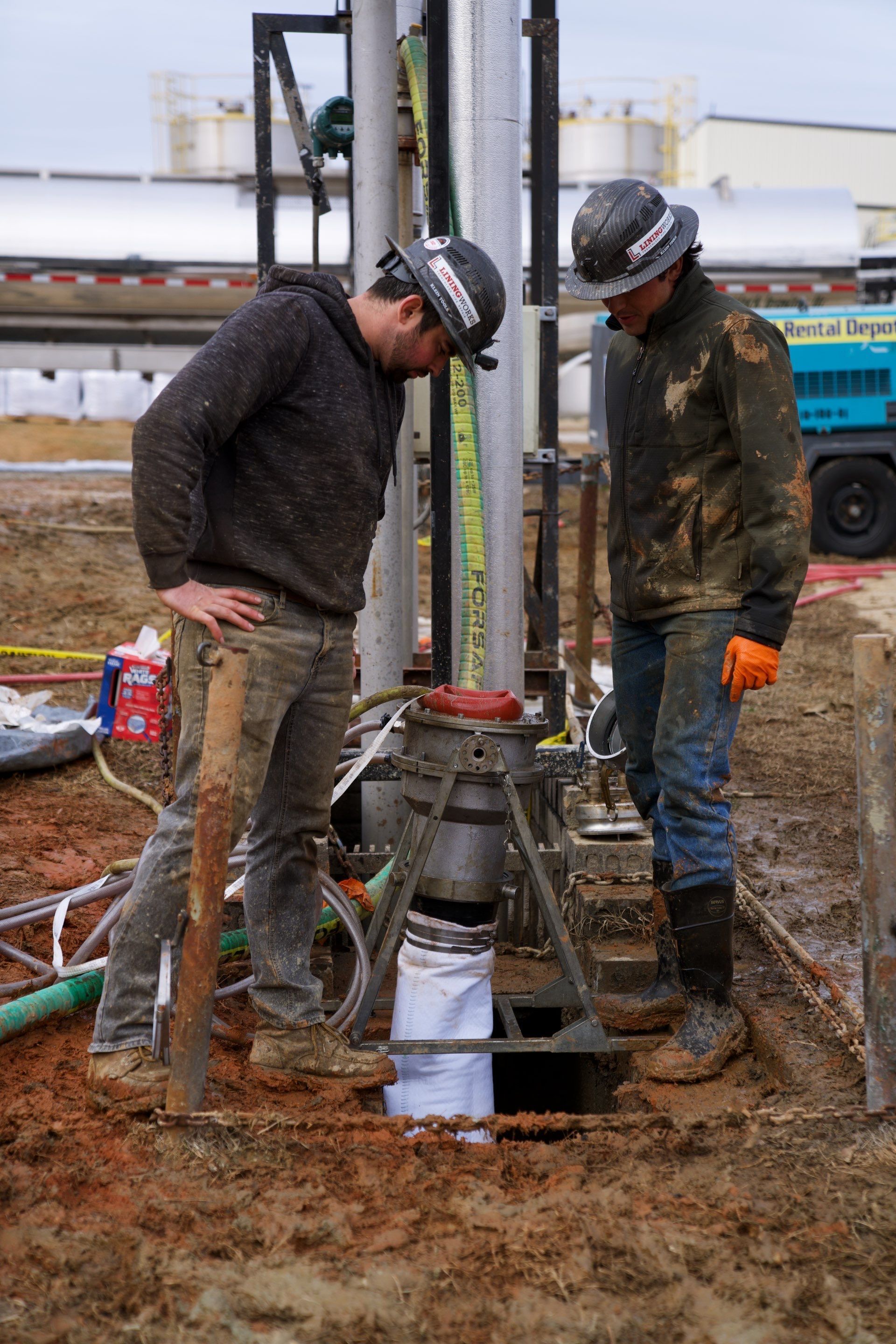
- A flexible liner, soaked in resin, is pushed or pulled through your damaged sewer line.
- Once in place, it's inflated and cured.
- The result? A smooth, seamless, new pipe inside the old pipe, stronger, corrosion-resistant, and built to last.
Also called sewer pipe relining, CIPP is one of the most common no-dig sewer repair options today.
2. Pipe Bursting
When the old pipe is too far gone to line, we break it apart and replace it.
- A bursting head is pulled through the damaged pipe.
- As it moves, it breaks the old pipe and pushes the pieces out of the way.
- At the same time, it pulls a brand-new pipe into its place.
It's trenchless, it's efficient, and it avoids all the usual surface destruction.
What Types of Problems Can Trenchless Repair Fix?
You might be surprised. Trenchless repair works on a wide range of issues, including:
- Cracked or broken pipes
- Root intrusion
- Corroded or rusted cast iron
- Offsets or misaligned joints
- Minor collapses (in some cases)
- Persistent clogs or backups due to aging pipes
The key is catching these issues early, before things collapse completely.
That's where a CCTV camera inspection comes in. We snake a high-definition camera down your sewer line to see exactly what's going on and whether a trenchless repair will do the job.
The Big Benefits of Trenchless Sewer Repair
Now let's talk perks, because there are a lot of them.
No Major Digging
You keep your landscaping, driveway, and patio intact. No giant trenches. No replanting your garden from scratch.
Less Time
Trenchless repairs often take a day or two, start to finish. Traditional digging can stretch out for a week or more.
Long-Lasting Results
The materials used, like epoxy liners or HDPE pipe, are incredibly durable. Some come with warranties of 50 years or more.
Less Mess, Less Stress
There's no giant dirt pile sitting in your yard. No diesel engines idling outside your window. Just a clean, efficient repair.
Cost-Efficient Over Time
While trenchless repair costs can sometimes be higher up front, they usually save you money when you factor in landscaping and driveway repairs.
Are There Any Downsides?
We'll give it to you straight: no solution is perfect. Here are a few trade-offs to keep in mind:
Not Always an Option
If your pipe is completely collapsed or severely misaligned, trenchless might not be possible. A full dig may still be needed.
Costs Can Vary
Depending on length, depth, material, and condition of your pipes, the price tag can shift. But again, compare it to the total cost of tearing up and rebuilding your yard, and trenchless often wins out.
How Much Does Trenchless Repair Cost?
This is the million-dollar question (though thankfully, it doesn't cost that much).
The truth? Trenchless repair cost depends on several factors:
- Pipe length and diameter
- Depth and accessibility
- Severity of the damage
- Method used (CIPP vs. bursting)
- Local labor and permitting costs
But on average, homeowners pay between $4,000 and $15,000 for trenchless sewer repair. Yes, that's a range, but it's also a bargain compared to the cost of tearing up a driveway, rebuilding a patio, or re-sodding your yard.
How to Know If Trenchless Is Right for Your Home
Still unsure? Here's a quick checklist:
- Your pipes are under landscaping, hardscape, or buildings
- You're seeing signs of recurring clogs, backups, or slow drains
- You want a long-term solution, not a patch job
- You'd rather not have your lawn look like a war zone
- You're ready for a modern, efficient repair method
If that sounds like you, it's time to book a CCTV sewer camera inspection and find out what's happening underground.
A Few Final Thoughts (from the trench)
We've seen it all: tree roots thicker than your arm, collapsed clay pipes from the 1950s, and enough grease buildup to make a diner jealous.
Here's what we've learned:
- Most sewer problems are fixable without digging up your yard.
- Trenchless solutions are faster, cleaner, and longer-lasting.
- You don't have to live with backups and clogs.
- You deserve a solution that doesn't destroy your property.
Ready to Get Started?
We help homeowners across Winston-Salem, NC, and the surrounding areas with minimally invasive sewer repair that solves real problems, without making a mess of their lives.
Request a trenchless sewer inspection today, and we'll show you what's going on underground, and how we can fix it without turning your home into a construction zone.
Because when it comes to pipe repair without digging, the future is already here, and it's trenchless.