336-477-3218 Mon–Sat · 7AM–6PM
· 5.0 Yelp

SOLUTION · CHARLOTTE, NC

Sewer Sleeving that restores your full sewer run without digging.

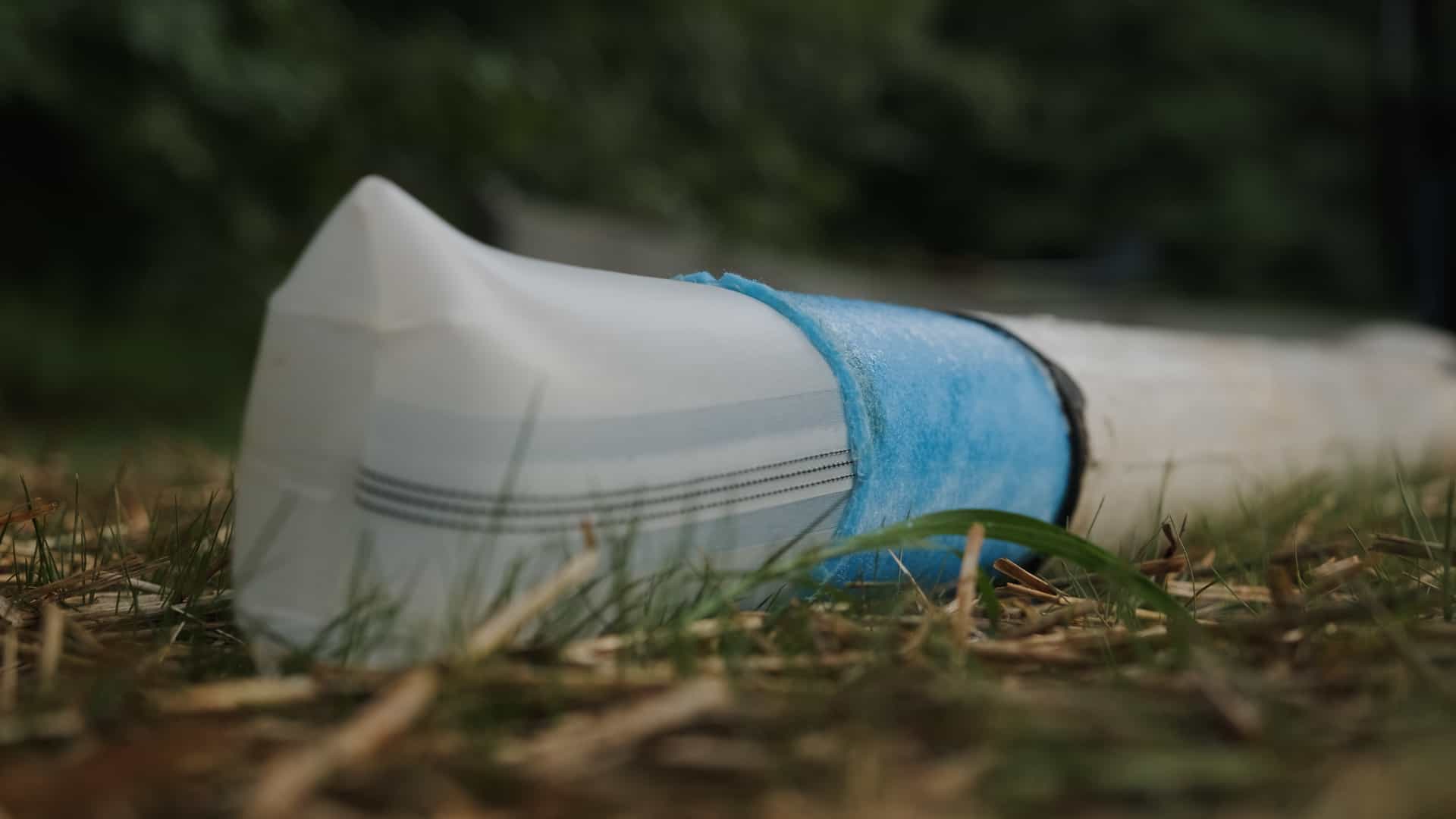
Sewer sleeving installs a continuous structural liner inside the full length of your existing sewer pipe. Where CIPP uses a resin-saturated felt tube, sleeving uses a rigid sleeve that creates an independent structural conduit inside the host pipe, ideal for heavily deteriorated or structurally compromised lines.

Call About Sewer Sleeving: 336-477-3218 Quote My Sewer Sleeving Job

Tell us what's going on

Free phone consultation. Flat-rate pricing. No upsells, ever.

We'll call you back within one business hour. No automated systems.

COMMON REASONS

When Sewer Sleeving is the right call.

Sewer sleeving is the trenchless choice for sewer lines that need full structural rehabilitation, not just sealing. Four situations point to sleeving over standard CIPP lining.

Common Sewer Sleeving situations:

Sleeving for heavily deteriorated pipe walls

When camera footage shows extensive pitting, wall thinning, or multiple perforations along the full run, a structural sleeve provides more wall thickness and rigidity than a standard liner.

Sleeving for repeated root infiltration at multiple joints

When roots are entering through five or more joint locations across the run, full-length sleeving eliminates every entry point simultaneously rather than addressing joints one by one.

Sleeving for bellied or deformed pipe

A pipe run with multiple belly locations or significant deformation benefits from a sleeve that can bridge each low point while maintaining a consistent flow grade inside.

Sleeving for aging clay tile throughout the run

Pre-1960 clay tile that is crumbling at joints throughout the full run is a whole-line rehabilitation job. Sleeving the full run in one pass is more cost-effective than patching joint by joint.
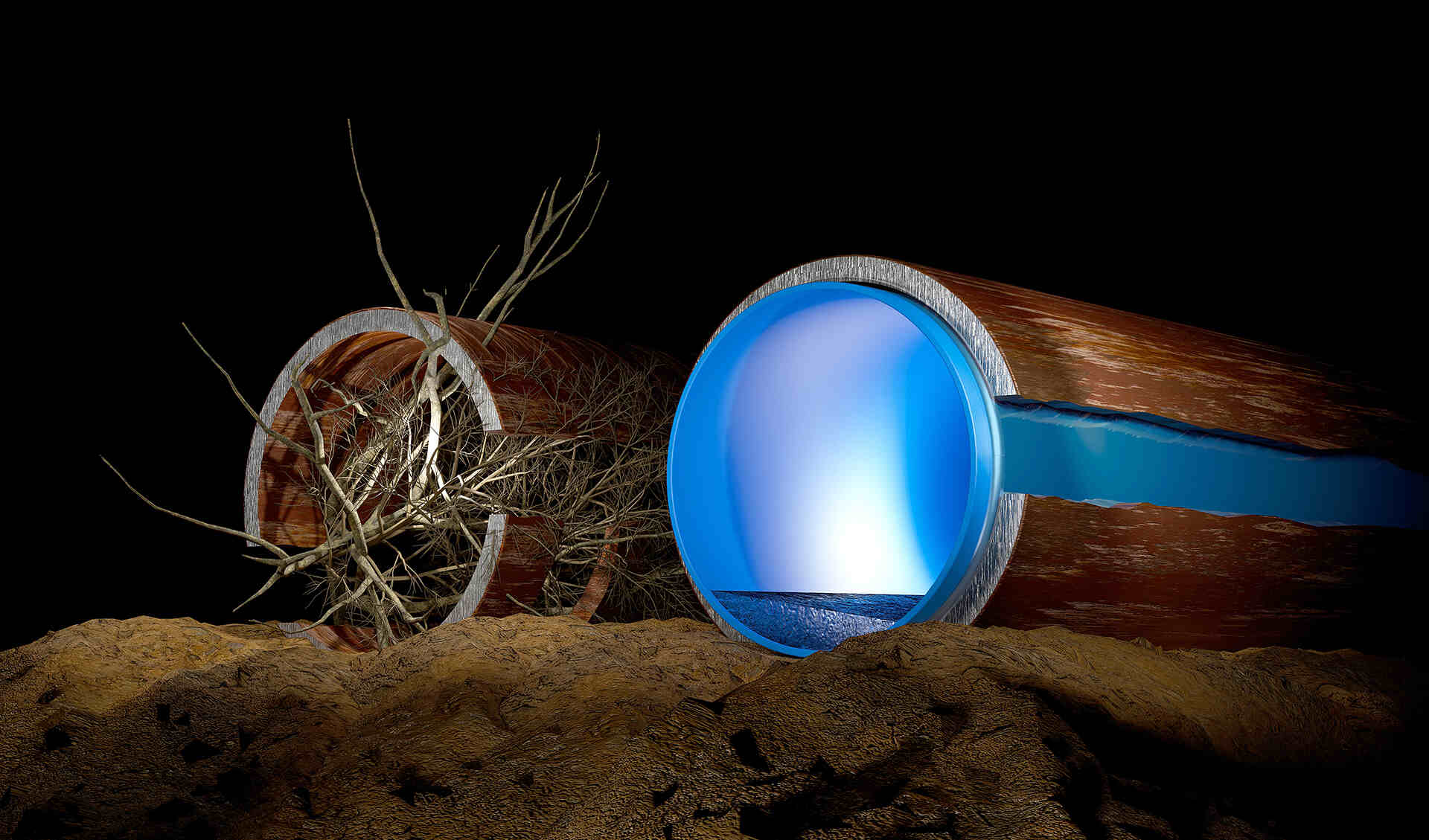
Sewer line pipe cross-section showing structural damage that makes full-length sleeving the right repair choice.
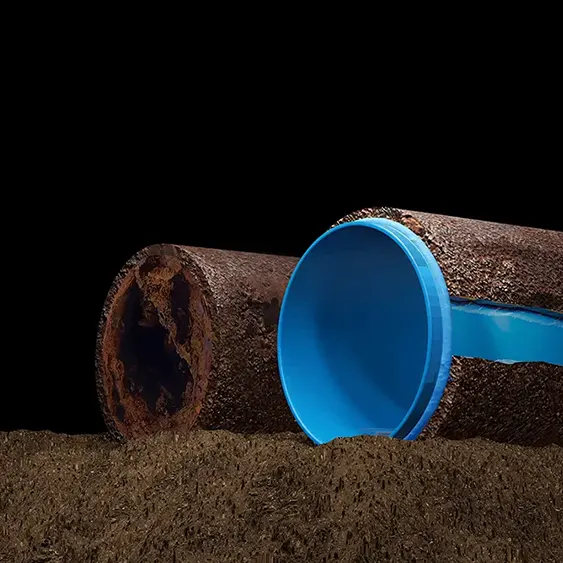
A completed sewer sleeve inside a Charlotte residential line, the trenchless solution for full structural rehabilitation.

CATCH PROBLEMS EARLY

Why Sewer Sleeving is a timing decision.

Sleeving requires the host pipe to maintain enough of its shape to guide the liner. These are the four triggers that mean schedule the assessment now.

Watch for these Sewer Sleeving triggers:

  • Sleeving works before total collapse, not after
    A pipe that holds shape, even with cracks and deformation, can still be sleeved. Once the pipe collapses completely, excavation is the only remaining option.
  • Multiple joint failures point to full-run sleeving now
    If camera scopes show three or more failing joints, patching each separately will cost more than a single sleeving run. Whole-line sleeving today is less expensive than repeated partial repairs tomorrow.
  • Sleeving protects what is above the line
    Full-run sleeving requires only cleanout access: no excavation, no trenching, no damage to driveways, landscaping, or mature trees over the line.
  • Scheduled sleeving beats emergency excavation
    A planned trenchless sleeving job runs in a single day. An emergency excavation after a collapse takes multiple days and costs significantly more.

SERVICE PROCESS

How our Sewer Sleeving process holds up.

Sewer sleeving is only as good as the preparation and verification. Four standards make every LiningWorks sleeving job consistent.

Sleeving starts with a full-line camera scope

We camera the full run before quoting. The scope confirms how many feet require sleeving and identifies any sections that need pre-treatment before the sleeve goes in.

Sleeving requires hydro-jetting the host pipe

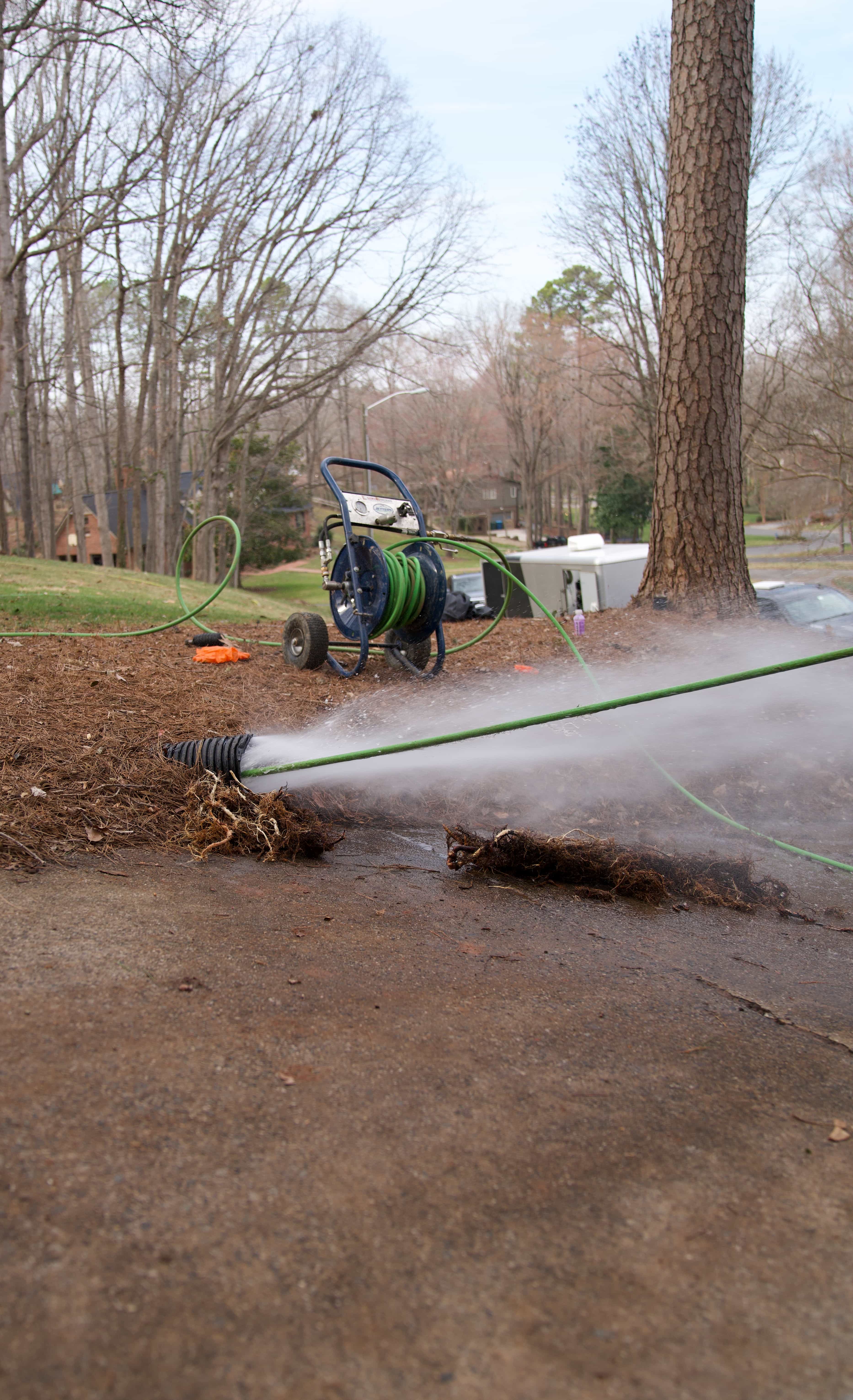
We hydro-jet the host pipe clean before any liner enters the line. Scale, debris, and root matter are removed so the sleeve seats correctly against the pipe wall.

Sleeving uses a continuous structural liner

The sleeve liner runs the full length of the designated repair section in one continuous piece: no end joints, no gaps, no weak points.

Sleeving is verified with a post-install camera scope

After the sleeve is in place and cured, a second camera scope confirms the installation end to end. You keep both video files.
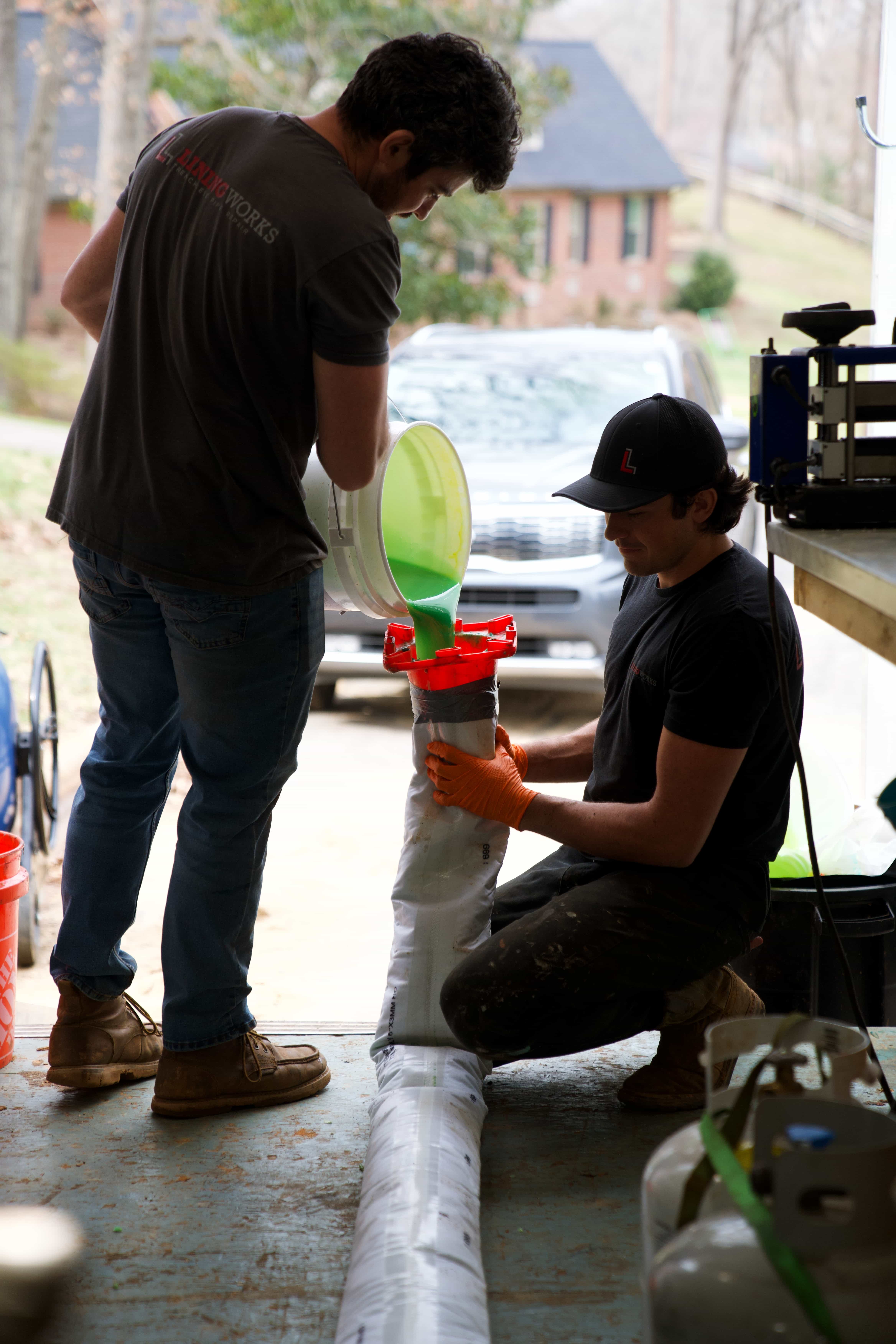
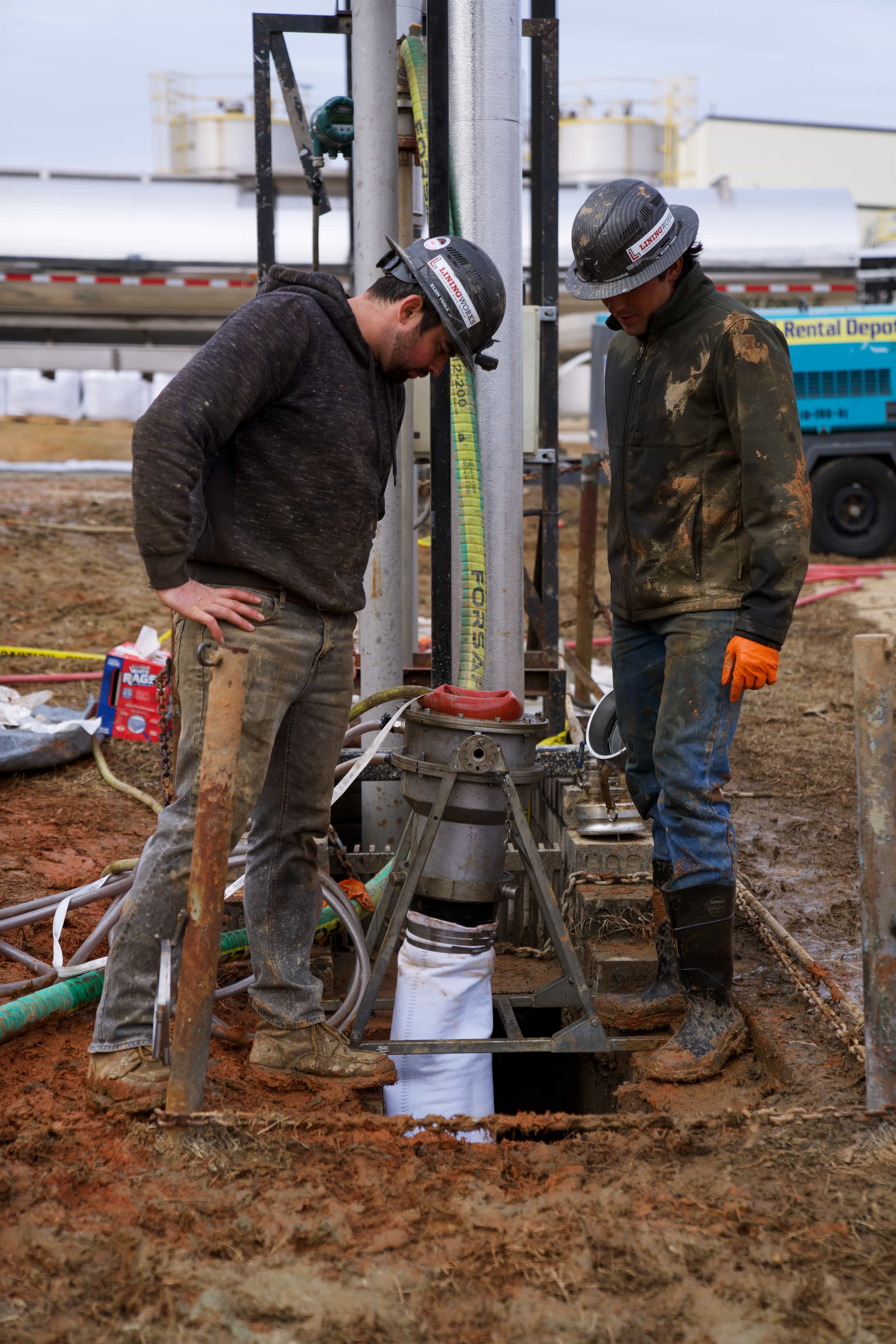
LiningWorks crew installing a sewer sleeve on a Charlotte residential job.

SIMPLE PROCESS

The Sewer Sleeving process, step by step.

Same five-step sequence on every residential sleeving job, from cleanout-to-tap camera scope through final verification.

Camera-scope the full sewer run before sleeving begins.
Step 1

Camera-scope the full sewer run before sleeving begins.

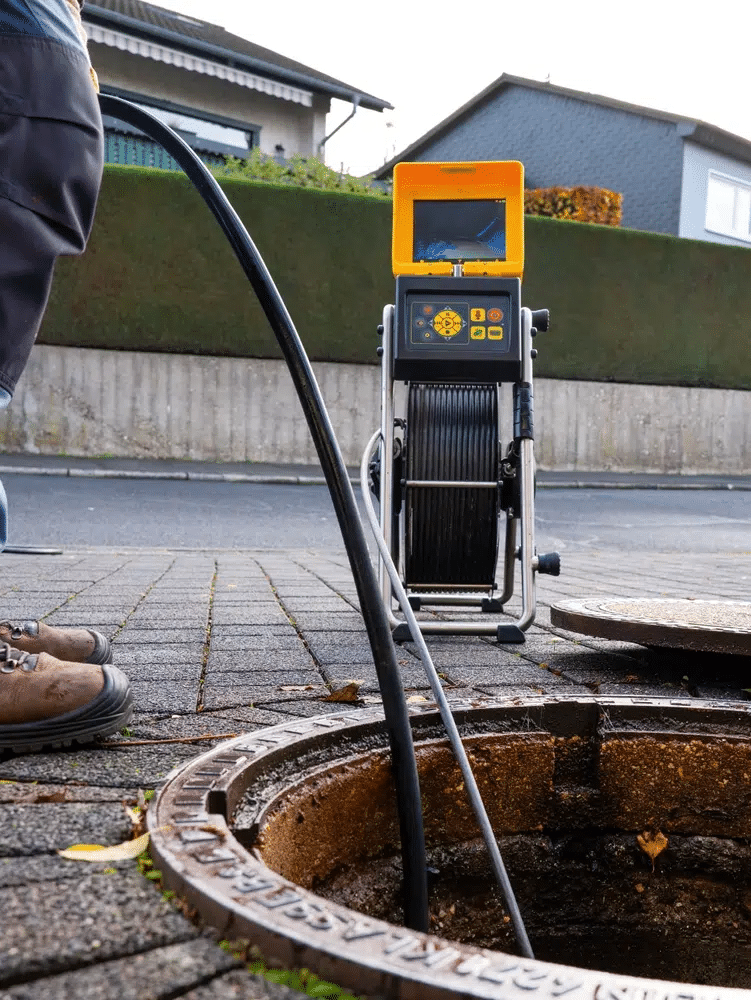
A high-resolution sewer camera maps every joint failure, crack, belly, and root intrusion point across the full run. This footage determines the sleeve length and confirms the host pipe can guide the liner.

Talk to a LiningWorks Tech
Hydro-jet the host pipe clean before the sleeve enters.
Step 2

Hydro-jet the host pipe clean before the sleeve enters.

We run a hydro-jetting pass through the full run to strip debris, grease, and root matter from the pipe wall. The sleeve must contact the host pipe; a clean wall ensures proper seating.

Talk to a LiningWorks Tech
Prepare the full-length sleeve liner on site.
Step 3

Prepare the full-length sleeve liner on site.

The sleeve liner is prepared to the confirmed run length and pipe diameter before it enters the line. Every foot of the sleeve is inspected before insertion.

Talk to a LiningWorks Tech
Pull the sleeve through the host pipe into final position.
Step 4

Pull the sleeve through the host pipe into final position.

We pull the sleeve from the downstream end, drawing it through the full length of the host pipe. Once in position, the sleeve is set against the host pipe wall along its entire length.

Talk to a LiningWorks Tech
Cure and camera-verify the installed sleeve.
Step 5

Cure and camera-verify the installed sleeve.

The sleeve is held in contact with the host pipe while it cures. A post-installation camera scope verifies the sleeve from end to end. You see the finished installation on screen and keep both video files.

Talk to a LiningWorks Tech
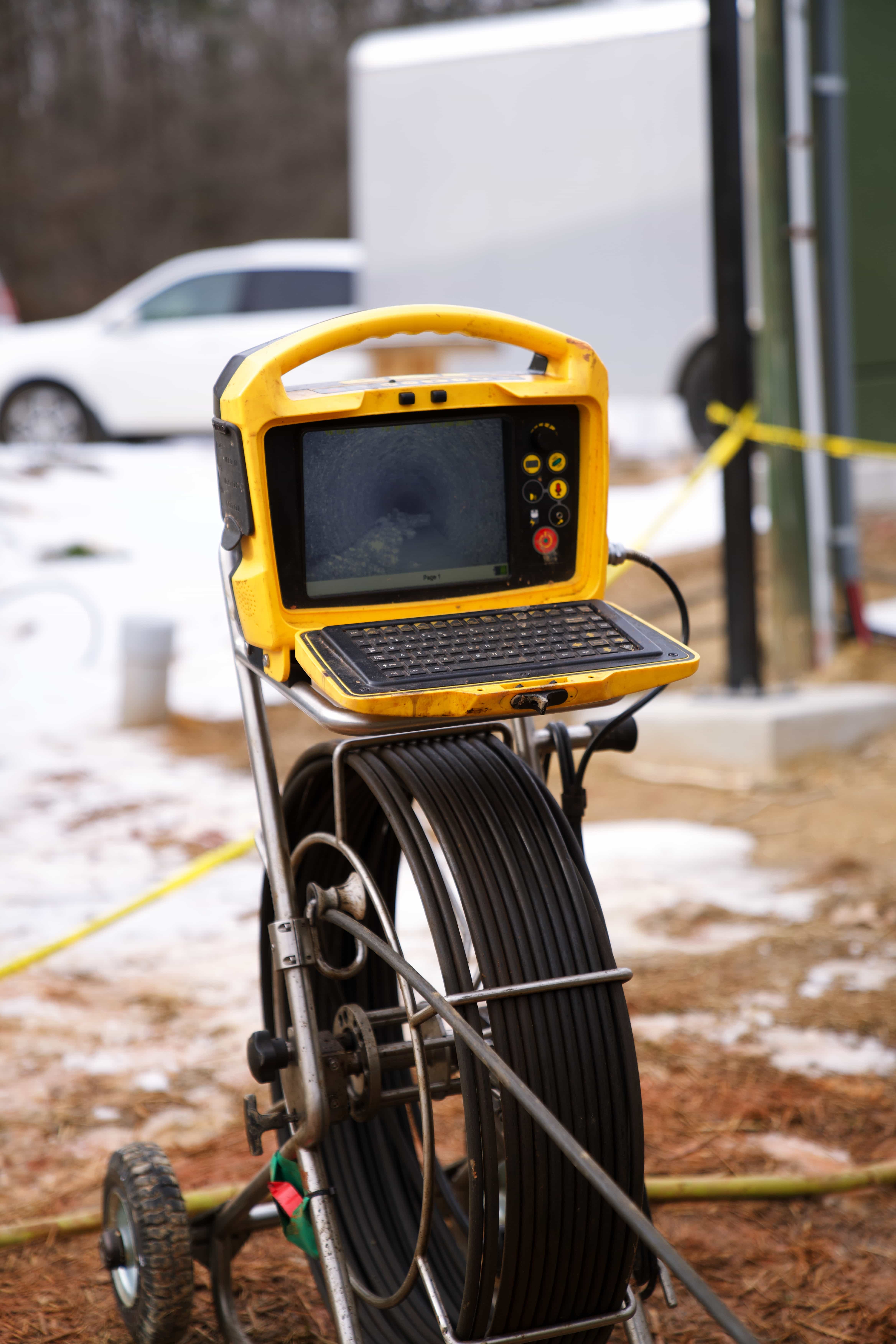
LiningWorks camera and sleeving equipment staged at a residential cleanout.

BEFORE & AFTER

Sewer Sleeving fixed: a 1948 Dilworth home, ten joint failures.

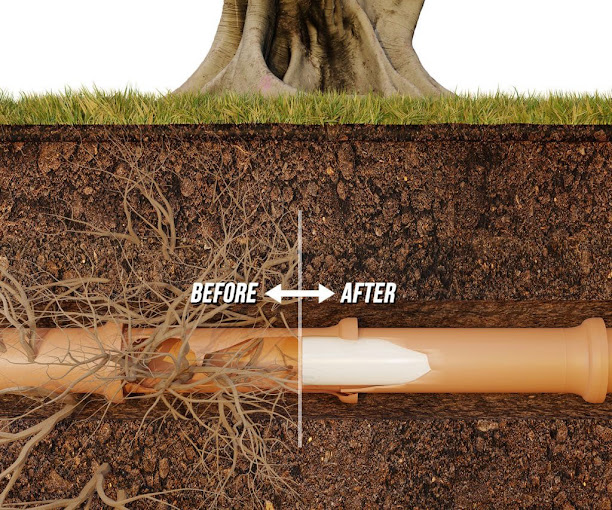
Camera revealed ten deteriorated joint locations across the 72-foot clay-tile run. The homeowners had a full-run camera scope done after purchasing the home. LiningWorks sleeved the full 72 feet in a single session: no excavation, no damage to the mature oak canopy over the line.

Full-run sleeving is often more efficient than patching each joint individually. One day on site, one flat price, every joint sealed across the entire run.

Book My Sewer Sleeving
WHAT HOMEOWNERS SAY

Real results. Real reviews.

Every review below is posted directly on Google by verified customers.

WHY HOMEOWNERS TRUST US

What you get on every LiningWorks Sewer Sleeving job.

Full-run sleeving is a significant investment in your home's infrastructure. Four standards apply on every job we run.

Same-week Sewer Sleeving scheduling

Most sleeving jobs in Charlotte are on the schedule within the same week of the camera scope.

Written flat-rate quote before we start

You see the camera footage and the sleeving price together. Nothing starts until the quote is in writing.

Workmanship guarantee on every sleeving job

Every sewer sleeving installation LiningWorks performs is backed by our written workmanship guarantee.

Family-owned, same crew on every sleeving job

No subcontractors. The same brothers who scoped the line install the sleeve and run the verification.
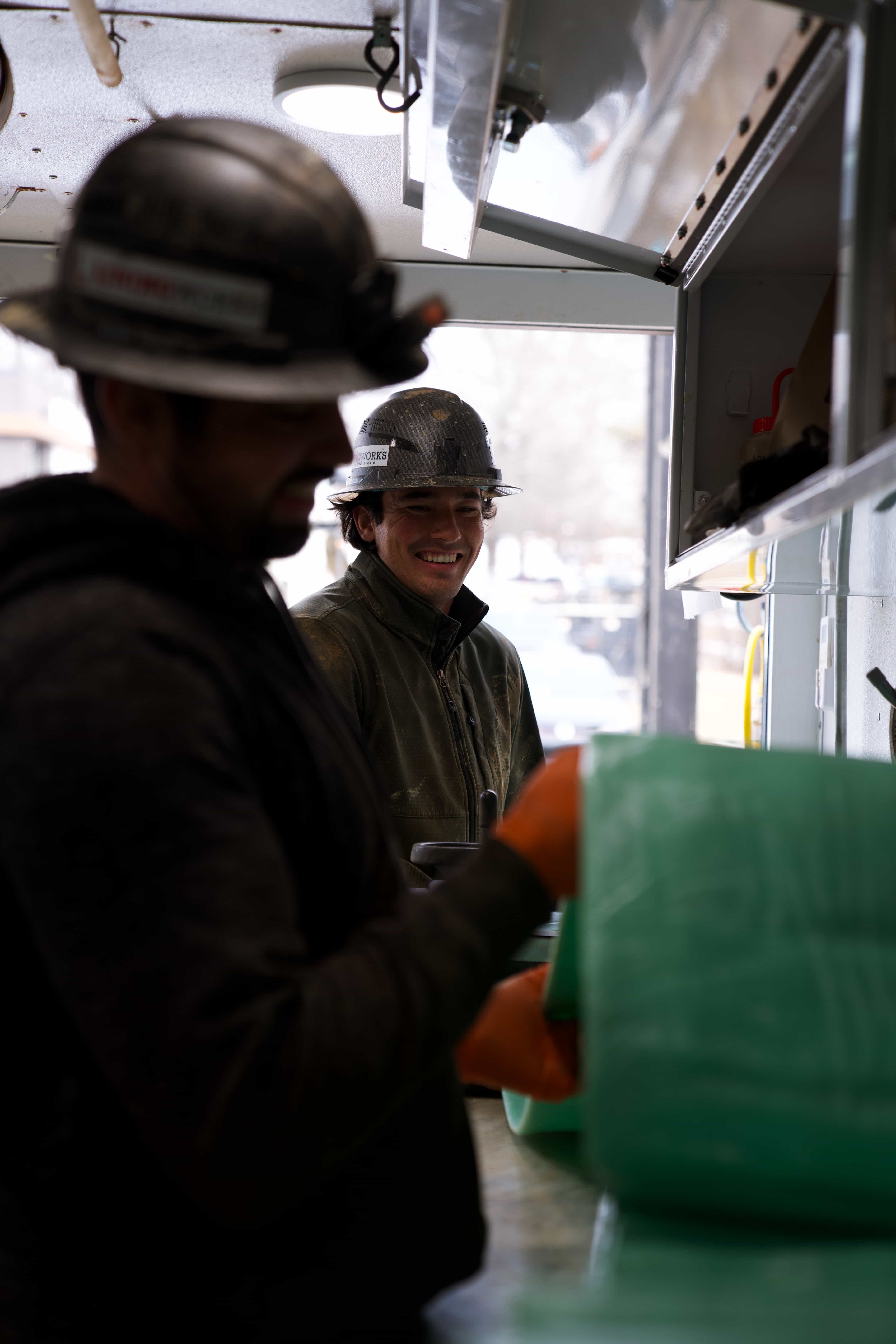
LiningWorks brothers in front of a service truck, Charlotte's trenchless sewer repair specialists.

FAQ

Sewer Sleeving: Frequently Asked Questions

Short, honest answers: the same way we'd explain it on the phone.

Sewer sleeving is a trenchless method where a liner is pulled or inserted into an existing pipe to reinforce it or seal specific sections. It is similar to CIPP lining but uses a pre-formed sleeve rather than an inverted liner for certain access configurations.

Sleeving is used when access configuration or pipe geometry makes inversion impractical, or when a shorter reinforcement section is needed. Your LiningWorks technician will recommend the most appropriate method based on camera inspection results.

No. Sleeving is a trenchless process performed through existing cleanout access points. No digging is required along the pipe run.

Sleeving repairs cracked pipe walls, seals open joints that allow root entry or infiltration, and reinforces structurally weakened sections, extending service life without full replacement.

Properly installed sewer sleeving provides a minimum 25–50-year service life depending on liner material and installation method. All LiningWorks installations are verified by post-installation camera inspection.

Still have questions? Call us at 336-477-3218 — same-week service, Mon–Sat 7AM–6PM.

FROM THE BLOG

Plain-English advice from your neighbors.

Stories, signs to watch for, and what actually works underground, straight from our crews.

Read all posts

OUR LOCATIONS

Two local offices, ready when you need us.

See All Service Areas
Mocksville, NC
LiningWorks
2200 Davie Academy Rd
Mocksville, NC 27028
336-477-3218
Charlotte, NC
LiningWorks
6630 E W.T. Harris Blvd, Suite K2
Charlotte, NC 28215
336-477-3218