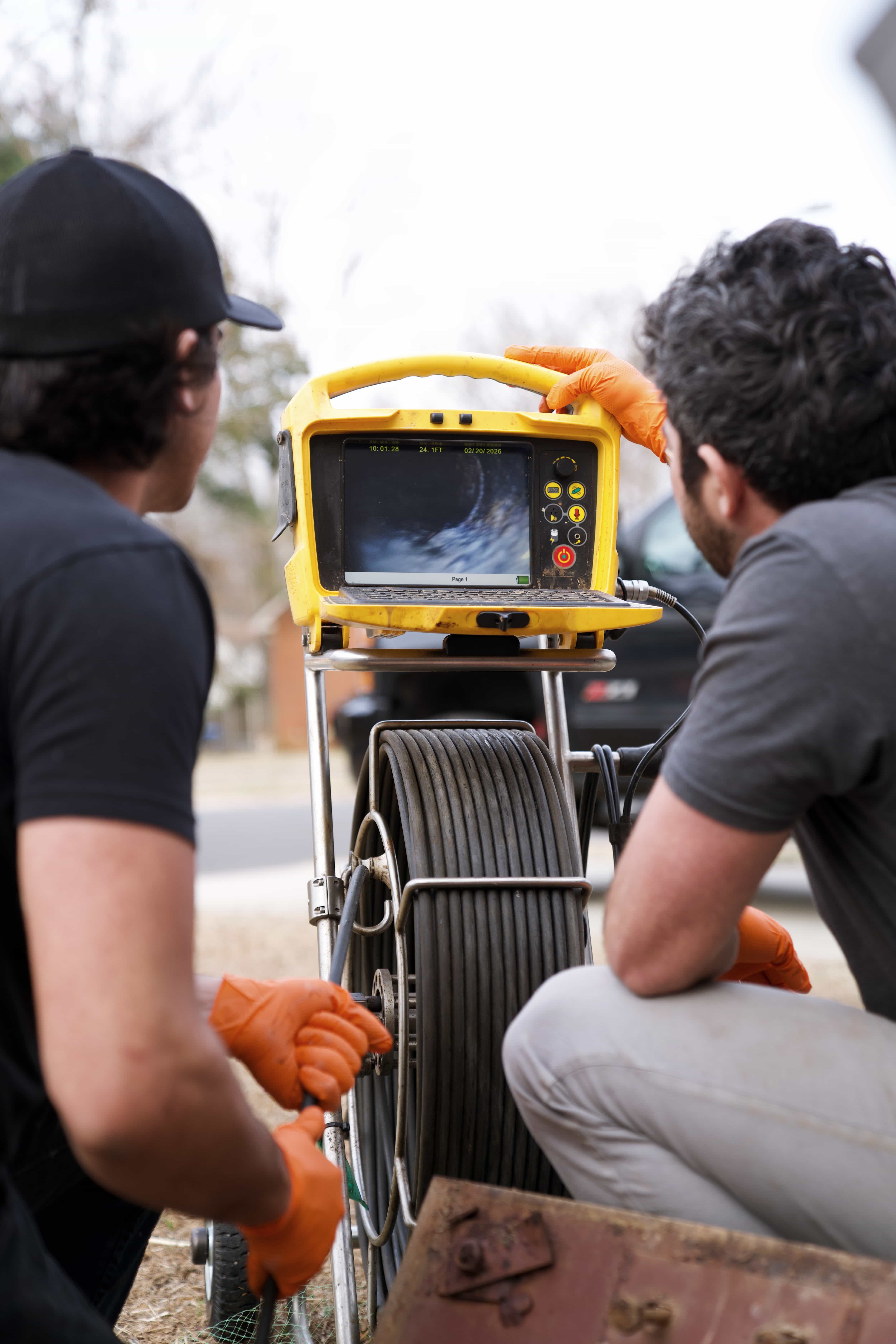
“Two summers of odor complaints from outdoor dining areas near the storm drain inlets. Camera found heavy organic sediment throughout. LiningWorks jetted the full run and the odors disappeared within two weeks. Straightforward diagnosis and fix.”

PROBLEM SIGN · STORM DRAIN REHABILITATION
Foul odors from storm drains indicate a condition that camera inspection can identify and fix.
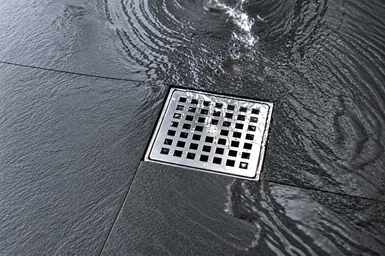
Sulfide odors from storm drain inlets and catch basins indicate one of several conditions — organic accumulation in sediment-filled pipe sections, cross-connection between storm drain and sanitary sewer, or decay of organic matter trapped by root intrusion or structural obstruction. Camera inspection identifies the source.
Tell us what's going on
Free phone consultation. Flat-rate pricing. No upsells, ever.
WHAT CAUSES STORM DRAIN ODORS
Three sources of foul odors in storm drain systems.
Storm drain odors have specific sources — each identifiable by camera inspection and addressable through targeted rehabilitation.
Organic sediment decay in sediment-filled pipe sections
Cross-connection between storm drain and sanitary sewer
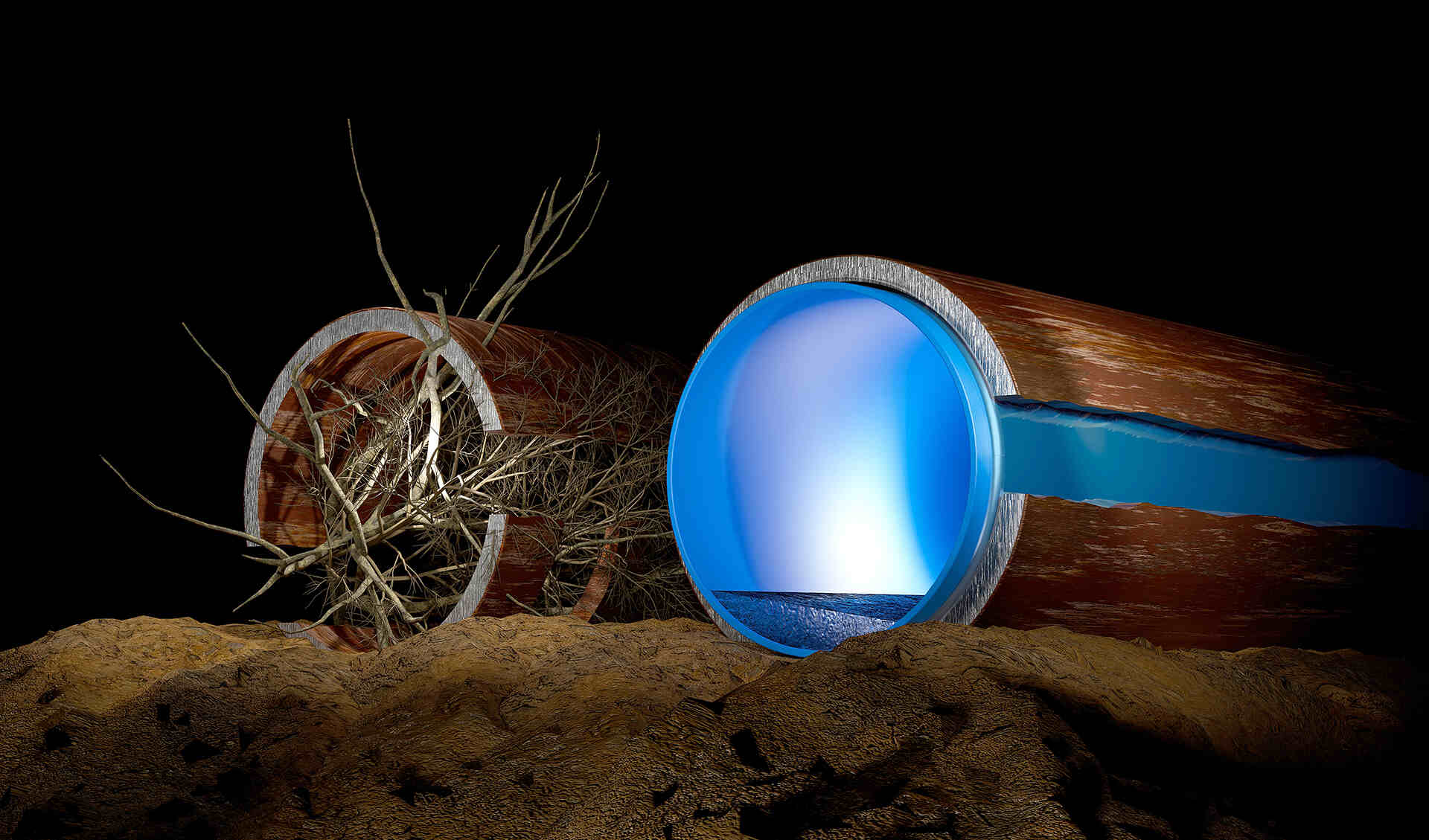
Root intrusion or structural obstruction trapping organic debris
Dry-weather discharge from sanitary sources at storm drain inlets
IDENTIFYING THE SOURCE
Camera inspection identifies what's generating the odor.
Storm drain odors can be misattributed — treating for sediment when the source is a cross-connection, for example, will not resolve the problem. Camera inspection identifies the actual source.
- Camera confirms whether sediment accumulation is generating the odorPre-jetting camera inspection of odor-generating sections typically shows the sediment depth and organic content — allowing targeted jetting to remove the odor source and restore flow.
- Smoke or dye testing confirms cross-connection presence and locationWhere camera inspection suggests a possible sanitary cross-connection, smoke or dye testing confirms the connection location and flow path — enabling targeted remediation.
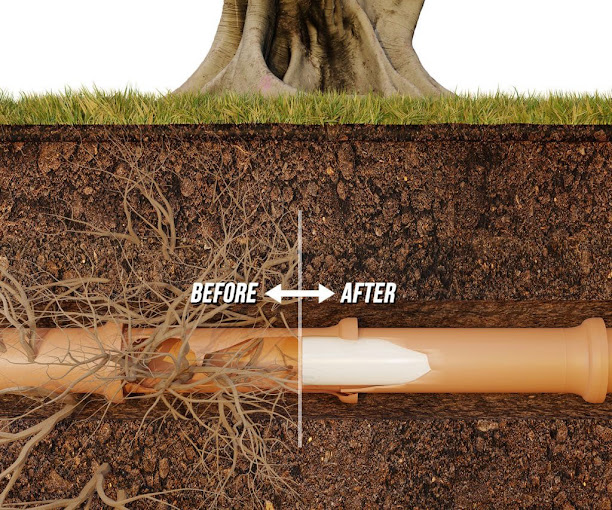
- Camera identifies structural obstructions generating debris accumulationRoot masses and structural obstructions that are trapping organic debris show on camera — allowing combined root cutting, structural repair, and jetting to eliminate the debris accumulation generating the odor.
WHEN ODORS ARE MOST COMMON
Conditions and locations where storm drain odors are most common.
Storm drain odors are most common in systems that combine sediment accumulation with warm temperatures — where anaerobic decomposition of organic material is most active.
Catch basins and inlets near commercial food service operations
Low-gradient storm drain mains with long sediment residence times
Older commercial developments with commingled sanitary and storm infrastructure
Systems downstream of areas with high organic runoff loading
BEFORE & AFTER
Restaurant district storm drain — sediment jetting eliminated persistent sulfide odors.
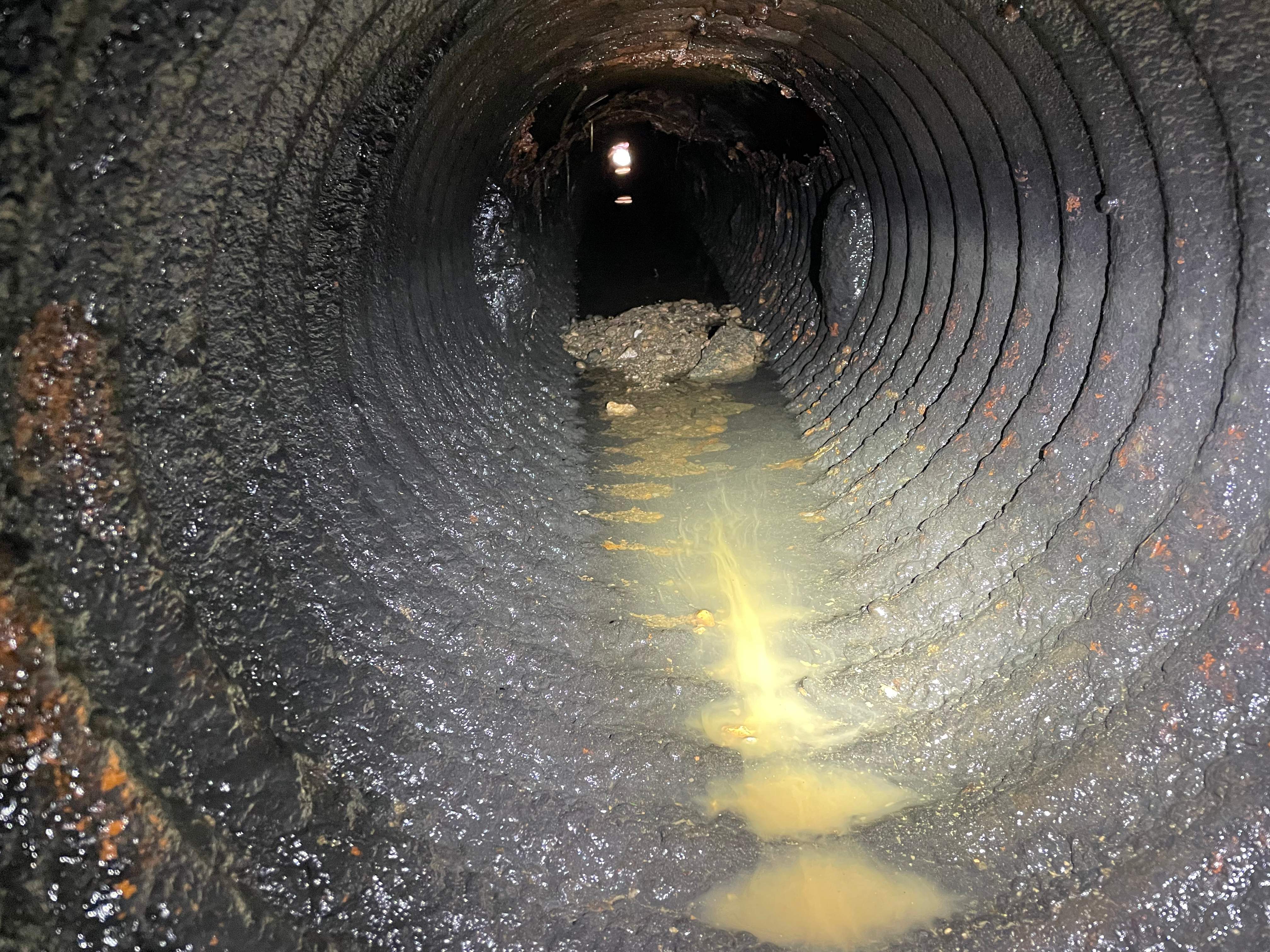
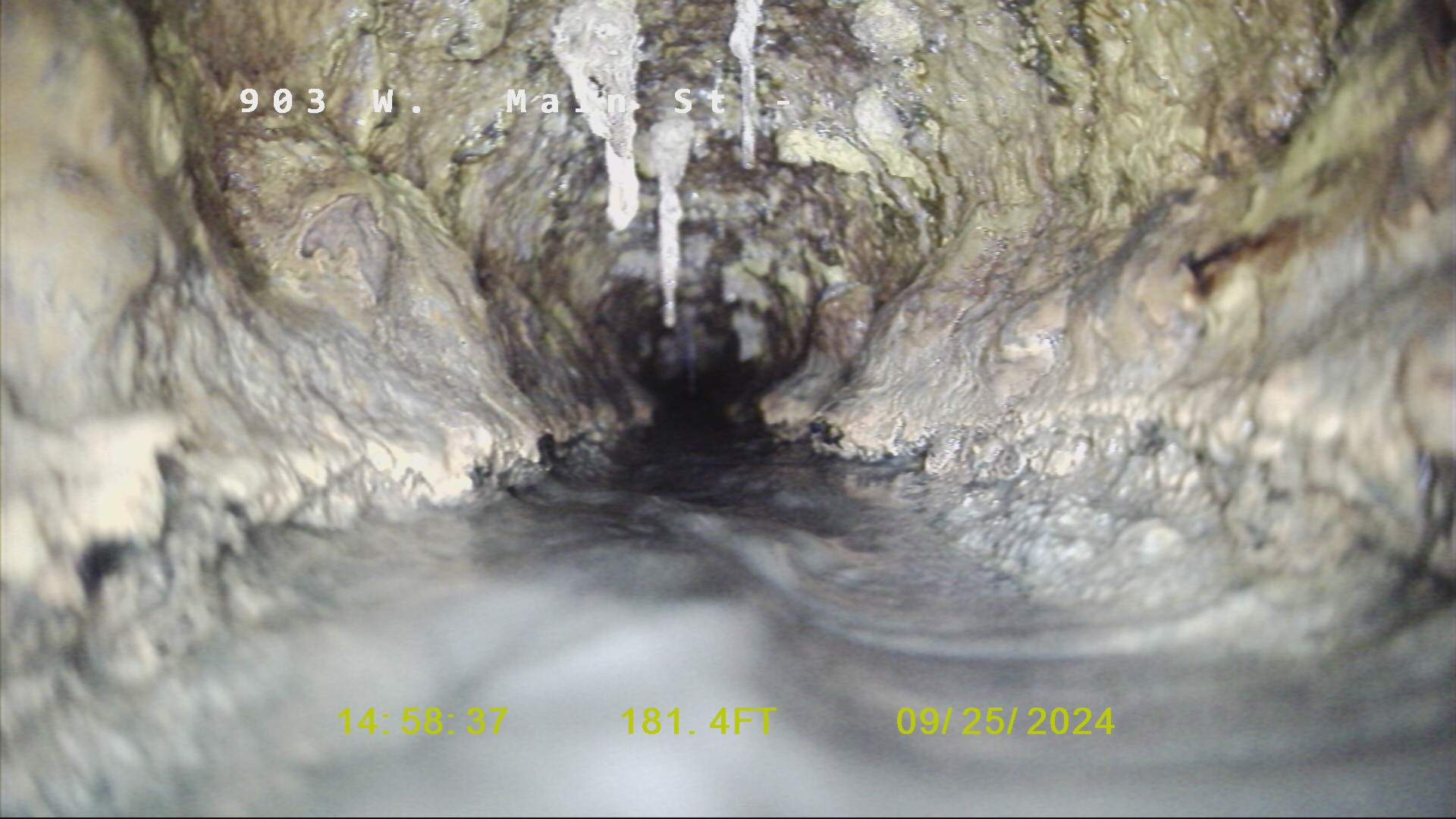
A Charlotte restaurant district property association had been receiving odor complaints from outdoor seating areas adjacent to storm drain inlets for two full summer seasons. Camera inspection of the affected storm drain main found heavy organic sediment accumulation — sediment depth averaging 30% of pipe cross-section, with visible anaerobic decomposition material.
LiningWorks hydro-jetted the full affected storm drain run, removing all organic sediment accumulation. Post-jetting camera confirmed full pipe cross-section restoration. Odor complaints from the adjacent outdoor dining area ceased within two weeks of the cleaning.
Real results. Real reviews.
Every review below is posted directly on Google by verified customers.
WHY LININGWORKS
Camera-first storm drain odor diagnosis and remediation.
Storm drain odors have specific sources that require specific remediation. LiningWorks camera-first approach identifies the source before developing a targeted solution.
Camera identifies the odor source before any remediation scope is developed
Hydro jetting removes organic sediment and eliminates the decomposition source
CIPP lining addresses structural obstructions trapping organic debris
Pre- and post-cleaning documentation for property records
HOW TO GET STARTED
Get storm drain odor diagnosed and resolved in three steps.
Camera identifies the source — then we address it with the right solution for the actual condition.
Call and describe the odor symptoms
336-477-3218, Mon–Sat 7AM–6PM. Location, time of year, relationship to storm events — describe the odor pattern and we'll recommend the right camera assessment approach.
Camera inspection identifies the odor source
We scope the affected storm drain system to identify sediment conditions, structural obstructions, and potential cross-connections — then develop a targeted remediation scope.
Targeted remediation eliminates the odor source
Jetting, root cutting, CIPP lining, or cross-connection elimination — matched to the identified source. Post-remediation camera confirms the source has been eliminated.
Plain-English advice from your neighbors.
Stories, signs to watch for, and what actually works underground, straight from our crews.
Drain CleaningSlow Drains and Gurgling Sounds? Here’s What’s Going On
Let’s talk about something nobody puts on their vision board: slow drains.
Read more
Sewer RepairWhy Are There Foul Odors In My House? 7 Common Causes Explained
Let us paint you a picture. You walk into your house after a long day. You expect the comforting smell of… well… not sewage.
Read more
Sewer RepairHow Tree Roots Invade Sewer Lines and How to Stop Them
Let’s talk about something most homeowners would rather not: what’s going on under your lawn. You’ve got this quiet, shady maple out front. Maybe you’ve even named it, something cha
Read more
Trenchless RepairWhat Is Trenchless Sewer Repair? A Beginner’s Guide
If you’re reading this, chances are something’s not quite right under your feet. Maybe the drains are backing up. Maybe the yard smells like something crawled down there and gave u
Read more