Home/Our Services/Storm Drain Rehabilitation/Storm Drain Cleaning and Jetting
SERVICE · STORM DRAIN REHABILITATION
Storm drain cleaning and jetting restores design capacity by clearing everything inside the pipe.
Storm drain systems accumulate sediment, leaf debris, root masses, and grease from parking areas — progressively reducing hydraulic capacity until peak storm flows cause surface flooding. LiningWorks clears storm drain systems with high-pressure hydro jetting and CCTV camera inspection — documenting conditions before and confirming capacity restoration after.
Free phone consultation. Flat-rate pricing. No upsells, ever.
We'll call you back within one business hour. No automated systems.
WHAT JETTING REMOVES
What accumulates inside storm drain pipes — and what hydro jetting does to it.
Storm drain pipes accumulate sediment from every storm event — sand, gravel, and silt deposited in low-velocity sections where settling occurs. Over years, sediment accumulation reduces pipe cross-section significantly below design capacity.
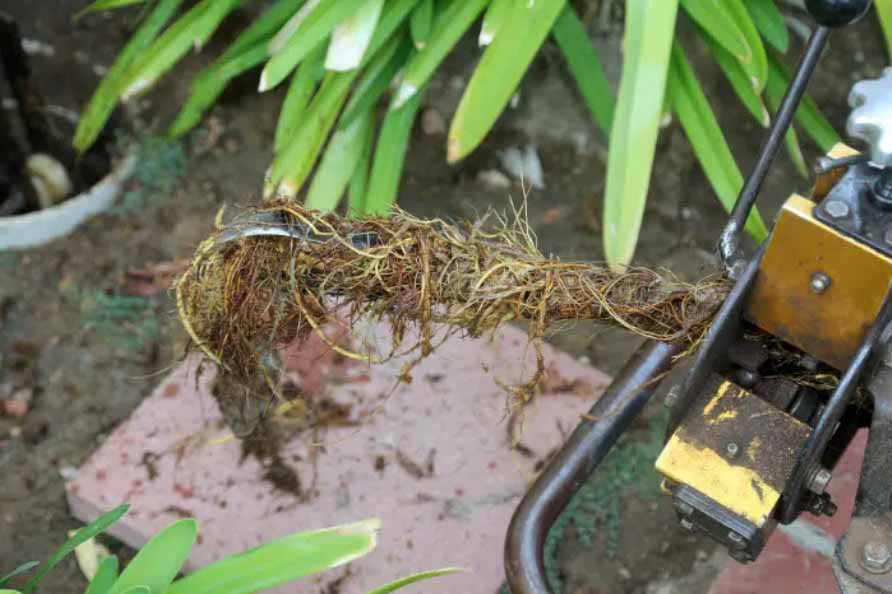
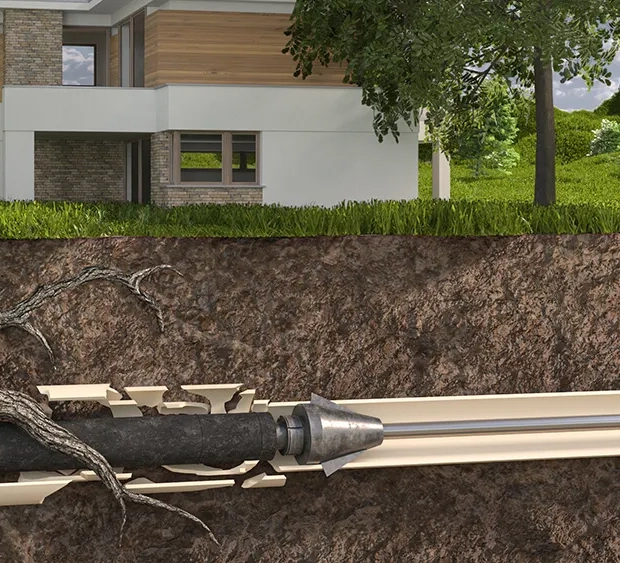
Leaf debris, organic material, and root masses create additional flow restrictions — particularly at joint locations where root intrusion provides a collection point for organic debris.
High-pressure hydro jetting (2,000–4,000 PSI) dislodges and flushes all accumulated sediment, organic debris, and root masses downstream to the next access point or retrieval point — restoring the full pipe cross-section to near-design condition.
Why camera inspection before jetting changes the cleaning scope.
Camera inspection before jetting identifies whether capacity loss is caused by sediment only — or by structural failure that requires rehabilitation after cleaning.
Camera identifies structural defects that jetting alone cannot address
If camera inspection finds structural collapse, significant root intrusion, or joint failure in addition to sediment, jetting alone will restore temporary capacity — but structural rehabilitation is needed for a permanent solution.
Camera confirms sediment depth and distribution for accurate jetting scope
Knowing where sediment is heaviest allows jetting effort to be concentrated where it's most needed — reducing jetting time and confirming the cleaning scope before work begins.
Camera provides documentation for property maintenance records
Pre-jetting camera footage documents pipe conditions before cleaning — providing an objective baseline for the property maintenance record and for post-cleaning comparison.
Storm drain cleaning and jetting follows a camera-first process — inspect, jet, verify — with structural rehabilitation added where camera inspection identifies conditions that require it.
Pre-jetting CCTV inspection identifies sediment and structural conditions
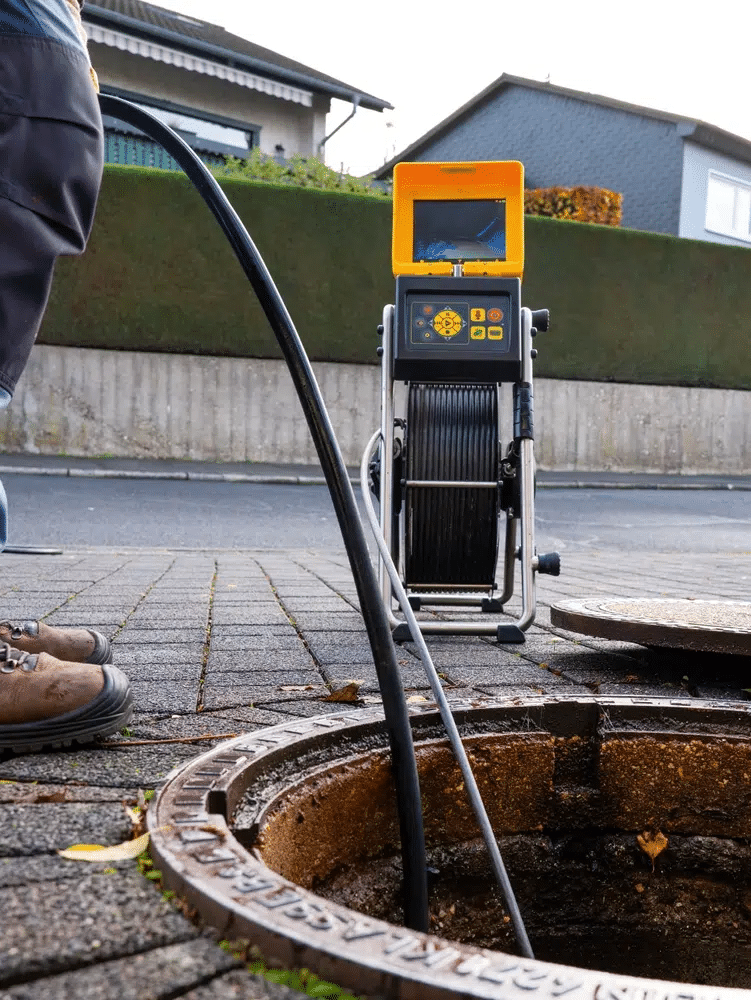
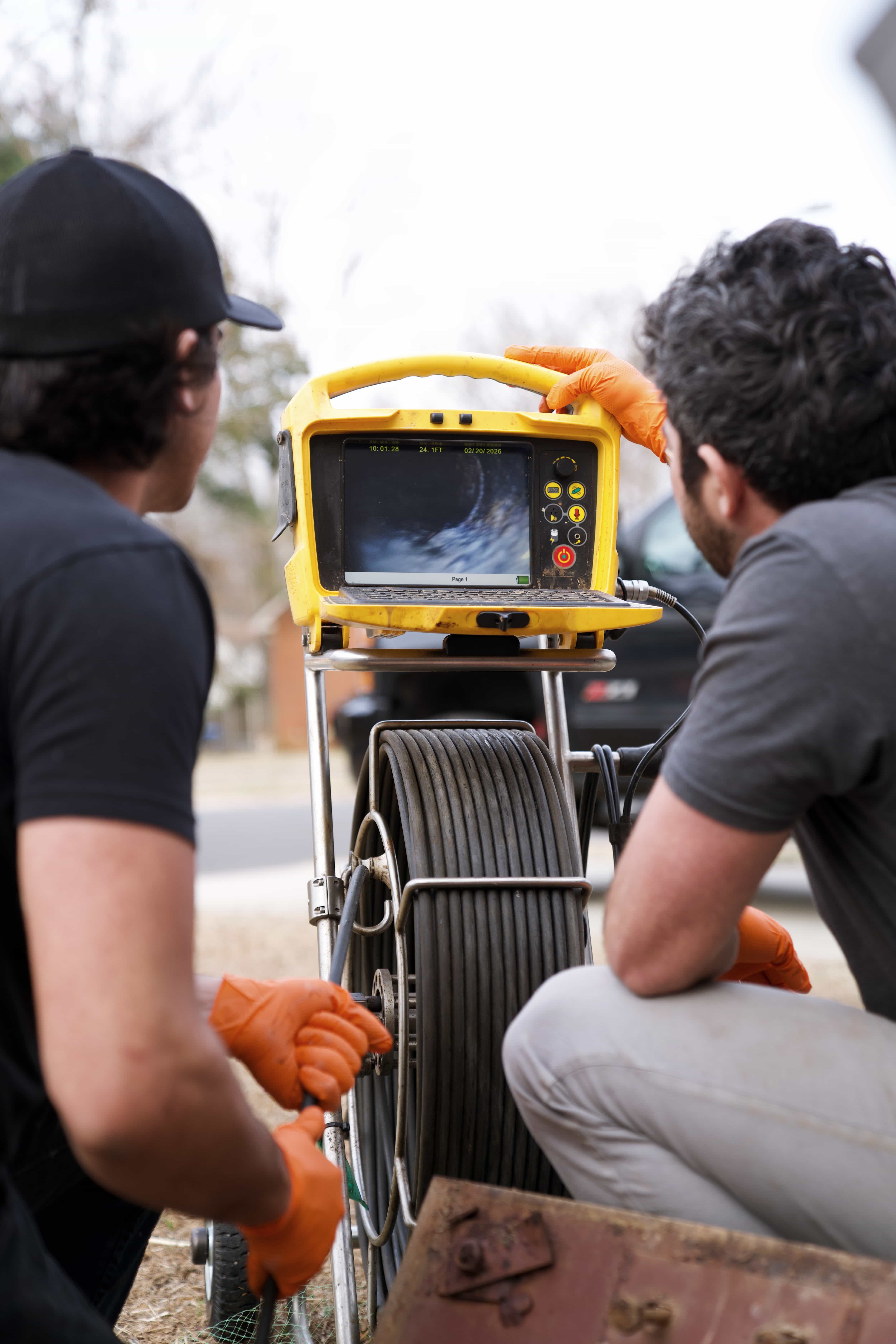
Camera inspection before jetting maps sediment accumulation, identifies structural defects, and confirms whether the system needs cleaning only or cleaning plus structural rehabilitation.
High-pressure hydro jetting clears the full system
2,000–4,000 PSI water pressure dislodges and flushes sediment, organic debris, and root masses downstream to the retrieval point — restoring the full pipe cross-section.
Structural defects addressed after cleaning where indicated
Where pre-jetting camera found structural defects, CIPP lining or spot repair is recommended following cleaning — when the pipe surface is clean enough for accurate liner bond.
Post-jetting camera confirms capacity restoration
Post-jetting camera inspection documents the cleaned pipe condition — confirming sediment removal and identifying any residual structural defects for remediation planning.
Retail center storm drain — 12 years of sediment accumulation cleared in one day.
A Greensboro retail center had not had its main storm drain system professionally cleaned since the property was constructed 12 years prior. Camera inspection showed sediment filling 40–60% of the pipe cross-section in multiple sections — with the worst accumulation near the downgradient end of the system.
LiningWorks hydro-jetted the full system in a single day through existing curb inlet and manhole access. Post-jetting camera confirmed full pipe cross-section restoration throughout. Camera also identified two sections with minor joint separation that were flagged for CIPP lining in a follow-on mobilization.
L
Property Manager
Greensboro Retail Center · Google
G
★★★★★
“Never cleaned the storm drains in 12 years. Camera showed 40-60% sediment fill. LiningWorks jetted the full system in one day, showed us post-cleaning camera confirming it was clear, and flagged two joints for lining follow-up. Exactly what we needed.”
Storm drain cleaning requires accurate diagnosis before cleaning scope development — and documentation before and after to confirm what was found and what was restored.
Camera before and after every cleaning project
Pre-jetting camera documents conditions. Post-jetting camera confirms capacity restoration and identifies any structural defects that require follow-on rehabilitation.
NC Plumbing License #16952
Licensed for commercial and municipal storm drain service throughout North Carolina — including large-diameter systems and municipal infrastructure.
High-pressure jetting through existing storm drain access points
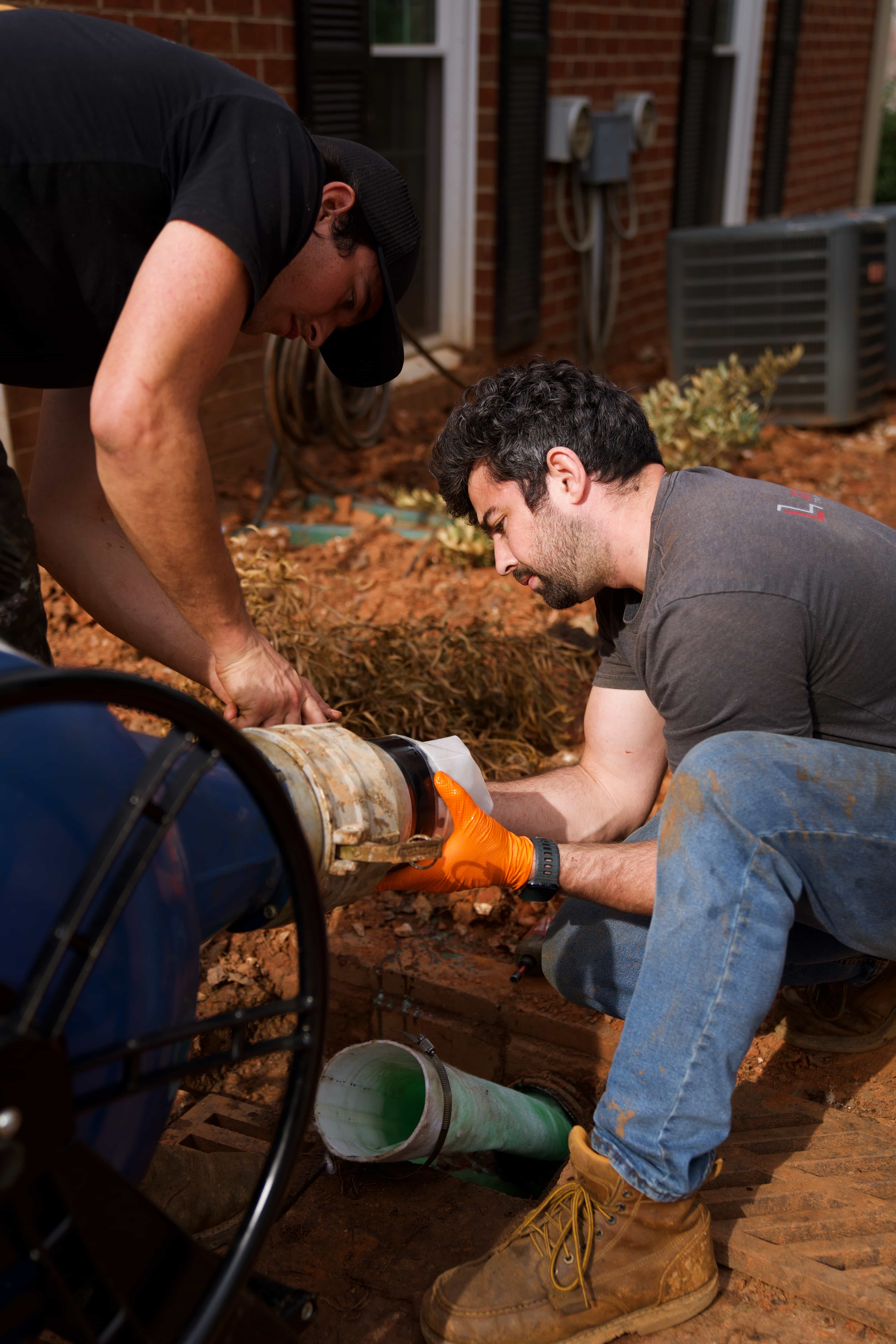
All jetting is performed through existing curb inlets, manholes, and headwalls — no excavation, no pavement disruption, no business interruption.
Pre- and post-jetting documentation for property records
Camera footage documenting pipe conditions before and after cleaning — for your property maintenance records and as a baseline for future maintenance planning.
Get your storm drain system cleaned in three steps.
Camera first — we document what's inside before developing the cleaning scope.
01
Call and describe the storm drain system and symptoms
336-477-3218, Mon–Sat 7AM–6PM. System age, known flooding issues, last cleaning date — describe the situation and we'll schedule the right camera and cleaning approach.
02
Camera inspection documents conditions before cleaning
We scope the full system to identify sediment distribution and any structural defects — then develop the cleaning scope and flag structural issues for follow-on rehabilitation where needed.
03
Hydro jetting restores design capacity in a single mobilization
High-pressure jetting through existing access points clears the full system. Post-jetting camera confirms capacity restoration. Full documentation provided at project close-out.
Let’s talk about something most homeowners would rather not: what’s going on under your lawn. You’ve got this quiet, shady maple out front. Maybe you’ve even named it—something cha
If you’re reading this, chances are something’s not quite right under your feet. Maybe the drains are backing up. Maybe the yard smells like something crawled down there and gave u