
P
Property Manager
★★★★★
“Quarterly root clearing for three years. LiningWorks cut them all out and lined the joints in one visit. Zero blockage events in two storm seasons since. The quarterly service contract on that line is cancelled.”
Root intrusion in storm drain pipes causes recurring flow restriction and eventual blockage — particularly in segmental concrete and clay systems where tree roots enter through joint cracks. LiningWorks removes root masses mechanically and seals all root-entry joints with CIPP lining to prevent re-entry.
Free phone consultation. Flat-rate pricing. No upsells, ever.
Mechanical root cutting removes the root mass that's inside the pipe — restoring the pipe cross-section temporarily. But the joint opening that allowed root entry remains open after cutting. Roots begin re-entry immediately, regenerating to full blockage mass within months.
The permanent solution to storm drain root intrusion is to cut the existing root mass, then seal all root-entry joint openings with CIPP lining. Once the joints are sealed with a liner, root re-entry at treated locations is eliminated for the rated liner service life.
LiningWorks performs root cutting and CIPP lining in a single mobilization — camera documents the root locations, cutting removes the mass, and lining seals the entry points. Post-installation camera confirms complete treatment.
Schedule a Root Assessment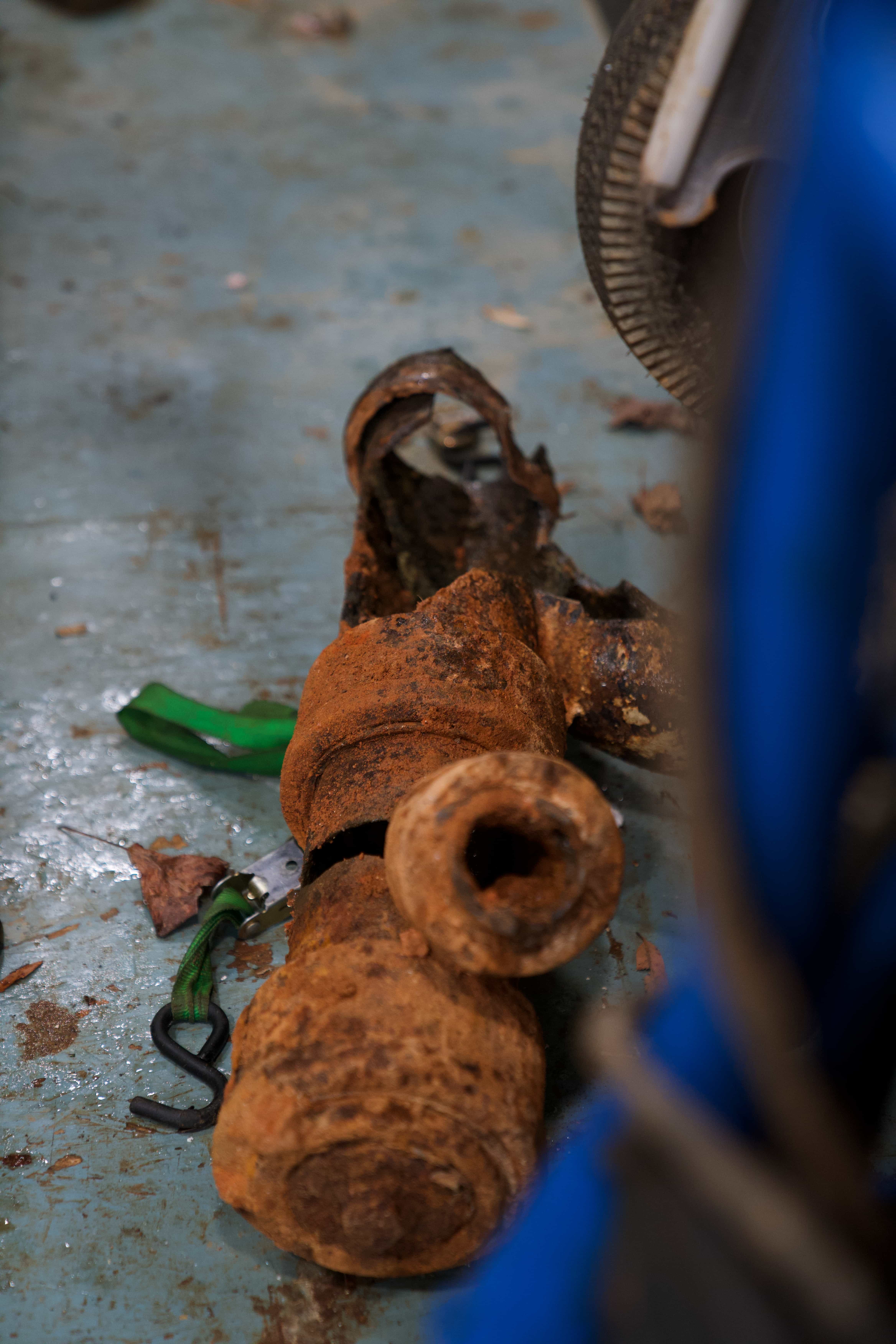
Watch the combined root cutting and CIPP lining process — mechanical removal of root mass, hydro jetting, and liner installation through existing storm drain access points.
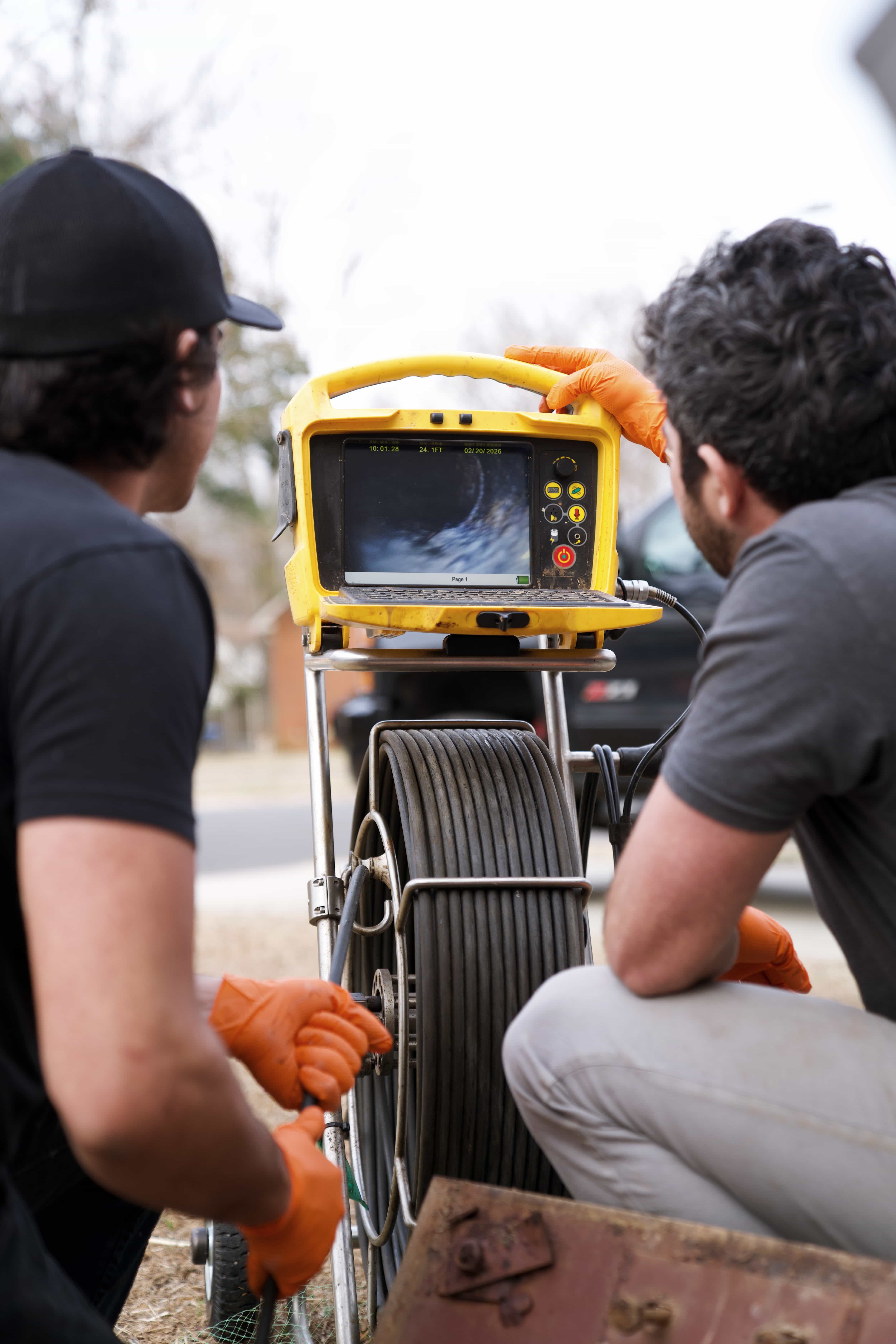
Storm drain root intrusion shows specific indicators — some visible on camera, some visible at the surface during storm events.
Storm drain root intrusion elimination follows a defined sequence — camera, cutting, jetting, lining, and verification — all performed in a single mobilization through existing access.
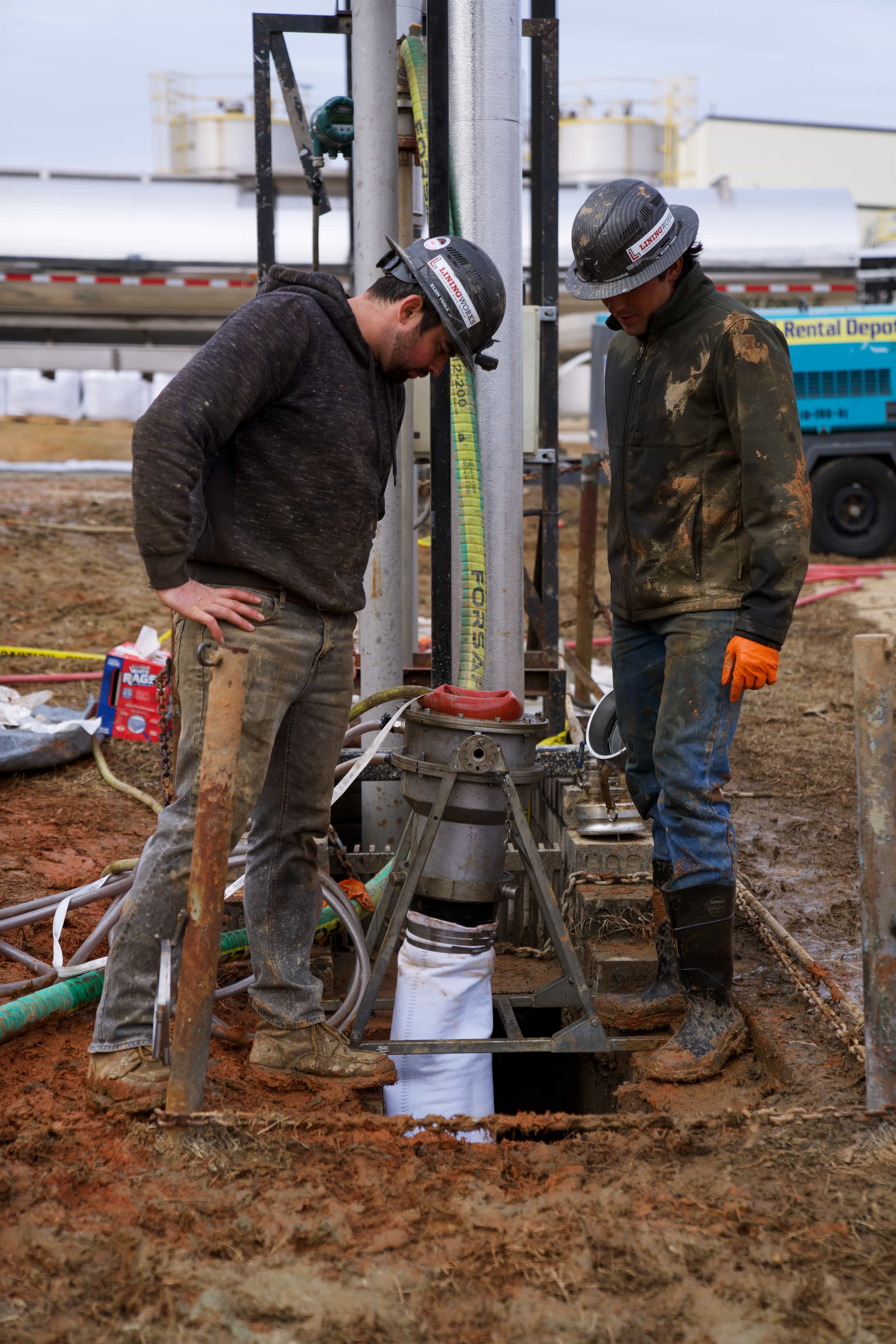
A Charlotte office park had been managing recurring storm drain blockages caused by root intrusion — clearing the system every 90 days to maintain adequate flow through peak storm events. Camera inspection found root masses at four joint locations in a 180-foot concrete storm drain run, with the largest mass at a joint directly beneath a mature oak tree.
LiningWorks cut all root masses, hydro-jetted the full run, and installed CIPP lining through all four root-entry joint locations. Post-installation camera confirmed root elimination and full liner bond at all four joints. The property has maintained zero blockage events through two full storm seasons since installation.
“Quarterly root clearing for three years. LiningWorks cut them all out and lined the joints in one visit. Zero blockage events in two storm seasons since. The quarterly service contract on that line is cancelled.”
Storm drain root intrusion elimination requires camera documentation, mechanical cutting, and CIPP joint sealing — LiningWorks provides the complete solution in a single mobilization.
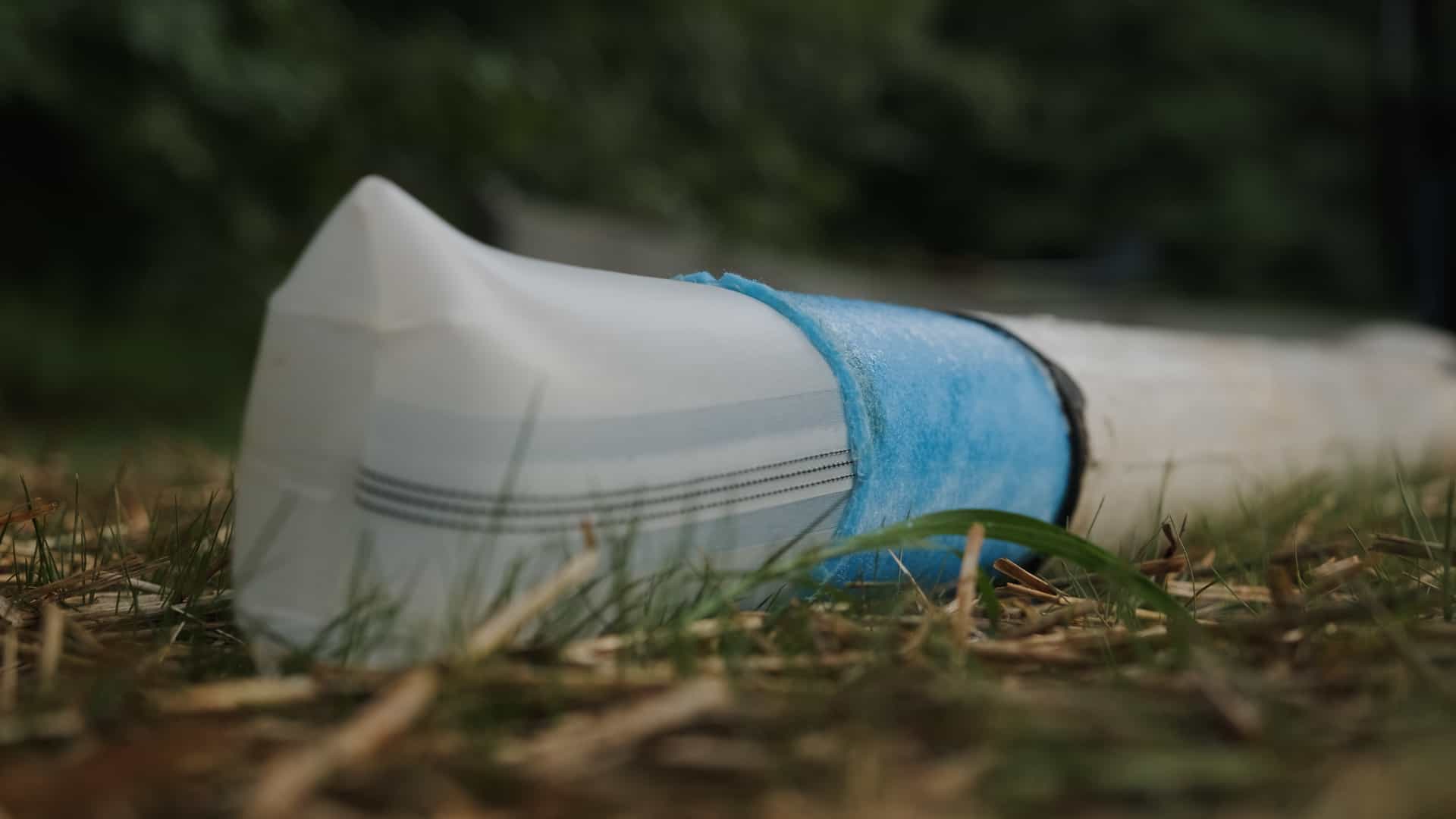
Camera maps every root location — we cut and line in a single mobilization.
336-477-3218, Mon–Sat 7AM–6PM. Blockage frequency, current maintenance schedule, system age — describe what you're managing and we'll schedule a camera assessment.
We scope the full affected run, identify all root masses and entry joint locations, and develop a combined cutting and lining scope for complete treatment in one mobilization.
We cut all roots, jet the full run, and install CIPP lining through all root-entry joints. Post-installation camera confirms complete treatment. No more maintenance cycles.
Stories, signs to watch for, and what actually works underground — straight from our crews.
 Drain Cleaning
Let’s talk about something nobody puts on their vision board: slow drains.
Read more Sewer Repair
Let us paint you a picture. You walk into your house after a long day. You expect the comforting smell of… well… not sewage.
Read more Sewer Repair
Let’s talk about something most homeowners would rather not: what’s going on under your lawn. You’ve got this quiet, shady maple out front. Maybe you’ve even named it—something cha
Read more Trenchless Repair
If you’re reading this, chances are something’s not quite right under your feet. Maybe the drains are backing up. Maybe the yard smells like something crawled down there and gave u
Read more