★★★★★ 5.0 ★ (8 reviews) · Google · 5.0 Yelp
Home/Our Services/Storm Drain Rehabilitation/CIPP Lining

SERVICE · STORM DRAIN REHABILITATION

Storm drain CIPP lining rehabilitates deteriorated pipes from the inside — no excavation required.

Cured-in-place pipe lining for storm drain systems installs a structural liner inside the existing pipe through existing manhole and inlet access — sealing all structural defects, joint failures, and corrosion zones without excavating the parking lot, road, or hardscape above the pipe.

Call or Text 336-477-3218 Get a Free Assessment

Tell us what's going on

Free phone consultation. Flat-rate pricing. No upsells, ever.

We'll call you back within one business hour. No automated systems.

WHAT IT DOES

How CIPP lining rehabilitates storm drain pipe systems.

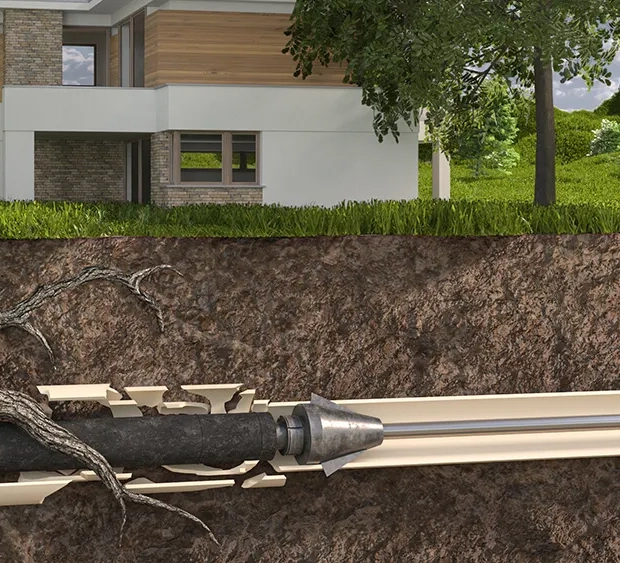
Storm drain CIPP lining works the same way as sanitary sewer CIPP — a resin-saturated felt liner is inverted into the pipe through an existing access point, then cured to form a rigid, structural pipe within the deteriorated host pipe.

For storm drain applications, liner specification accounts for the hydraulic demands of storm drain systems — including higher peak flow velocities, larger pipe diameters, and the structural loading from roads and parking areas above the pipe.

Post-installation CCTV camera inspection verifies the full liner run — confirming bond, joint coverage, and absence of voids before the project is closed out and the site is returned to full operation.

Schedule a Storm Drain Assessment
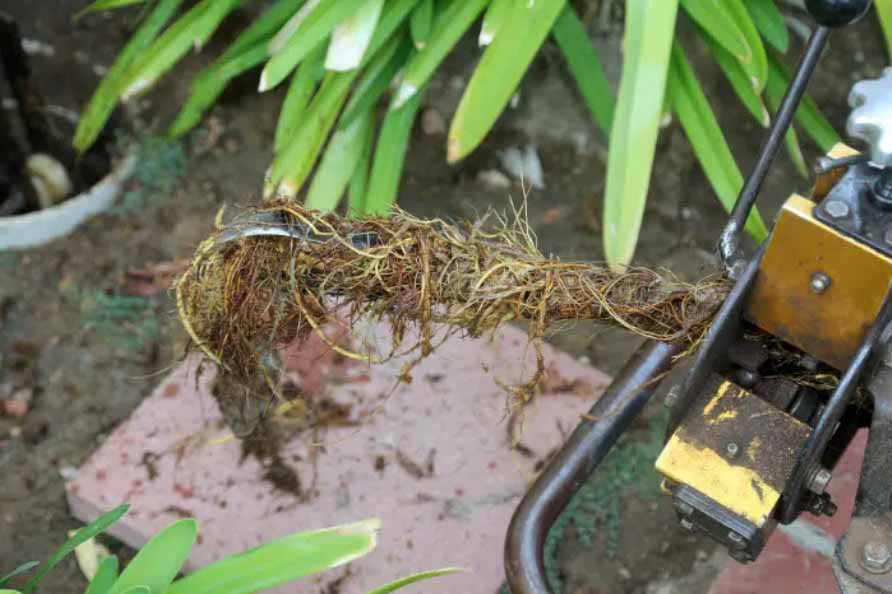
Storm drain pipe interior showing deterioration before CIPP lining rehabilitation.

SEE THE PROCESS

Storm drain CIPP lining — how it works.

Watch a CIPP liner installation in a storm drain system — from access setup through liner inversion, cure, and post-installation camera verification of the completed liner.

Watch more on YouTube
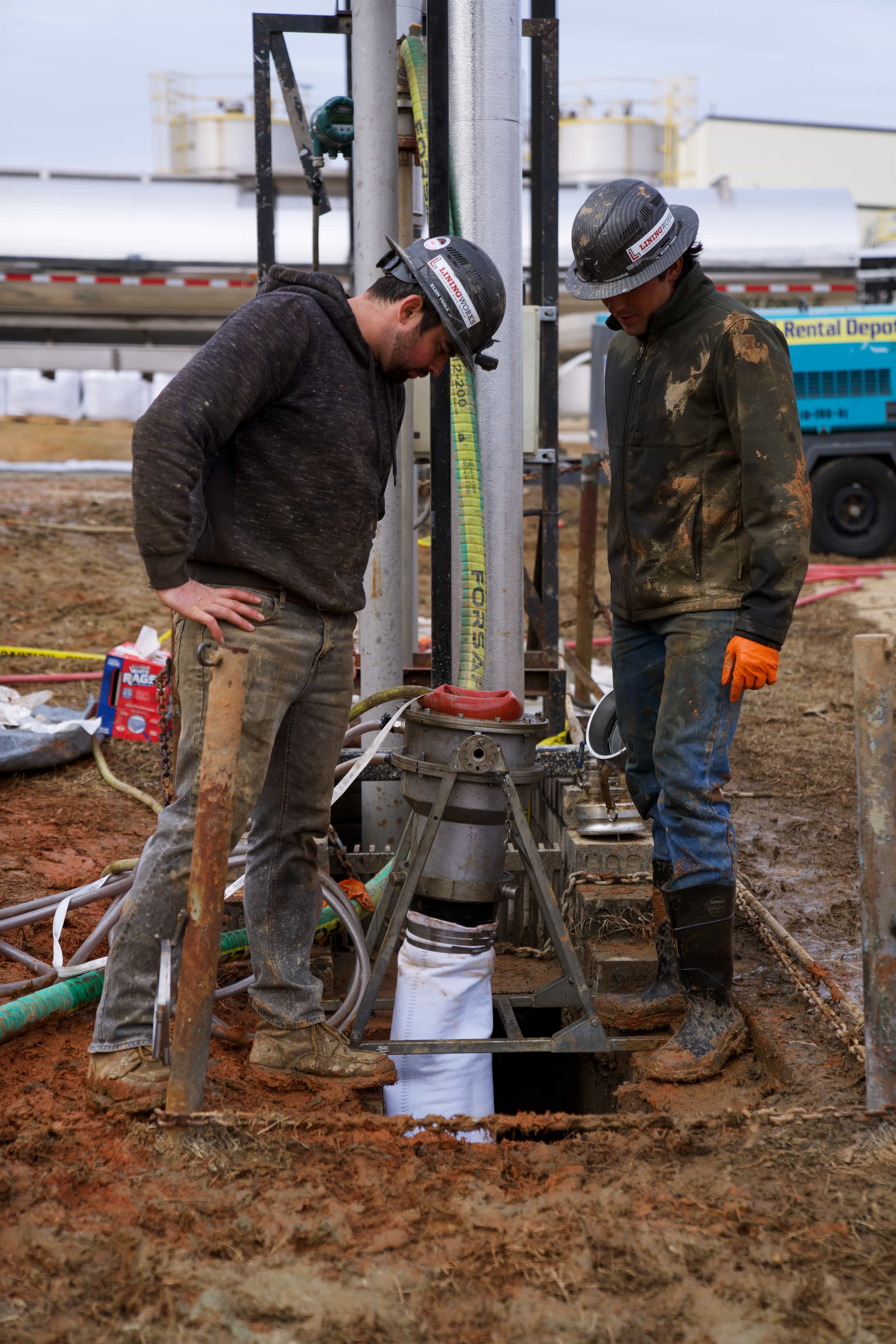
LiningWorks crew performing CIPP lining on a storm drain system through existing manhole access.

PIPE TYPES SERVED

Storm drain materials and conditions where CIPP lining applies.

Storm drain CIPP lining applies across the pipe materials and deterioration conditions most commonly found in commercial and municipal storm drain infrastructure.

  • Reinforced concrete pipe (RCP) with joint separation or corrosion
    RCP storm drain infrastructure deteriorates through joint separation from differential settlement and H2S corrosion in systems receiving organically contaminated runoff. CIPP lining seals joints and restores structural integrity.
  • Corrugated metal pipe (CMP) with invert corrosion and wall thinning
    CMP culverts and storm drain systems corrode from the inside — losing wall thickness progressively. CIPP lining installs inside the corrugated profile, restoring structural capacity and providing a smooth hydraulic interior.
  • Concrete box culverts with crack and joint deterioration
    Concrete box culverts develop longitudinal cracks from beam loading and joint separation from differential settlement. CIPP panel lining can rehabilitate box culvert structures in many configurations.
  • Clay and vitrified clay pipe in older commercial storm drain systems
    VCP was used in storm drain applications in older commercial and residential developments. These systems age through the same joint failure patterns as sanitary sewer VCP.
Schedule a Storm Drain Assessment

THE LININGWORKS STORM DRAIN CIPP APPROACH

Four steps in a LiningWorks storm drain CIPP lining project.

Storm drain CIPP lining follows a defined process — camera documentation, surface preparation, liner installation, and post-installation verification.

Pre-installation CCTV inspection of the full pipe run

Camera inspection maps all structural defects, measures pipe diameter and run length, confirms access point locations, and determines liner thickness requirements for the specific loading conditions.

Hydro jetting removes all sediment and debris before lining

Storm drain systems typically carry significant sediment loads. Hydro jetting before liner installation restores the full pipe cross-section and ensures complete liner-to-pipe contact throughout the run.

Liner inversion and cure through existing manholes and inlets

The resin-saturated liner is inverted into the pipe through existing access points — no surface excavation required. Steam or ambient-temperature cure hardens the liner to full structural specification.

Post-installation CCTV verification of the complete liner

Post-installation camera inspection confirms full liner bond, joint coverage, and absence of voids — documenting the completed rehabilitation for property and municipal records.
Schedule a Storm Drain Assessment
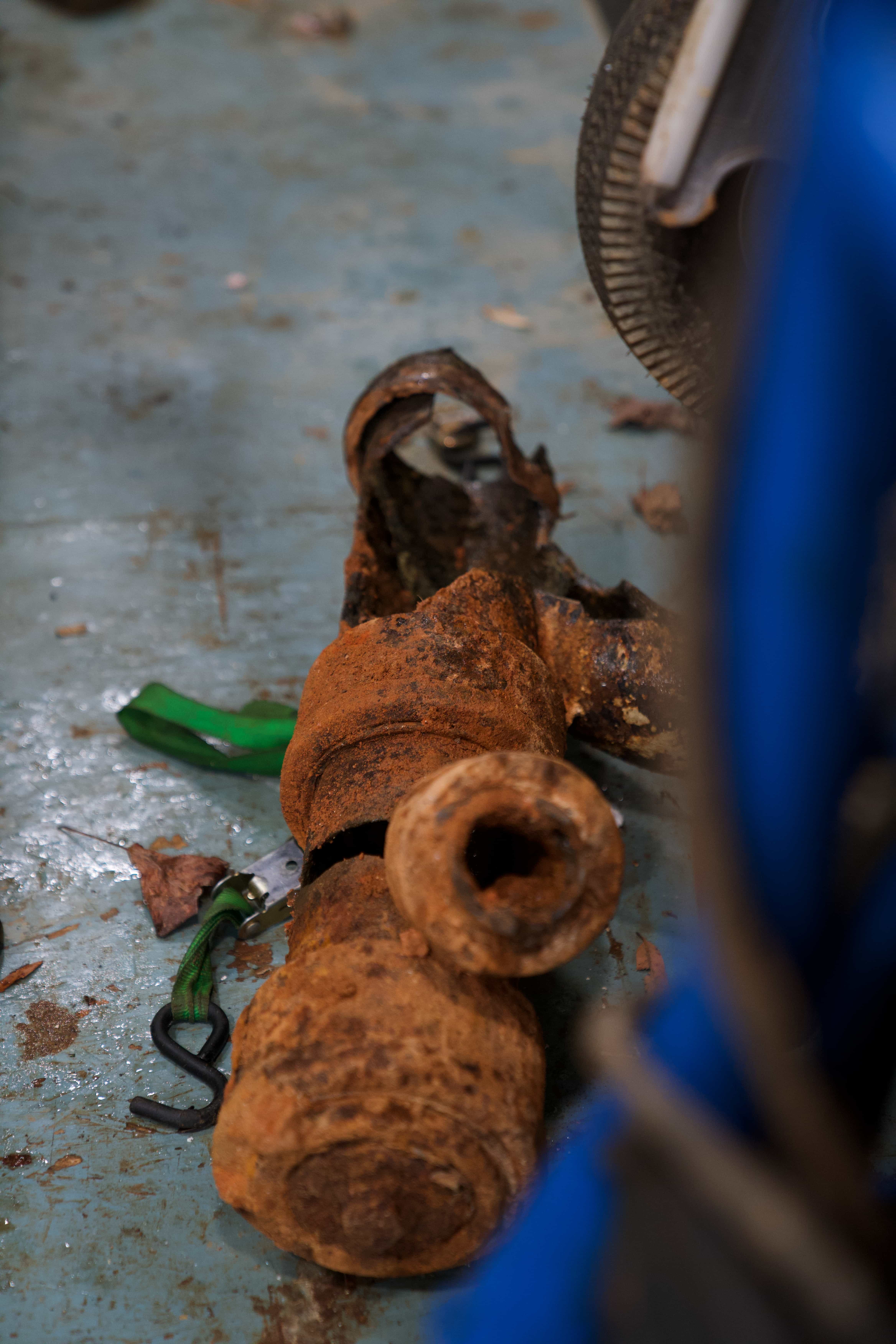
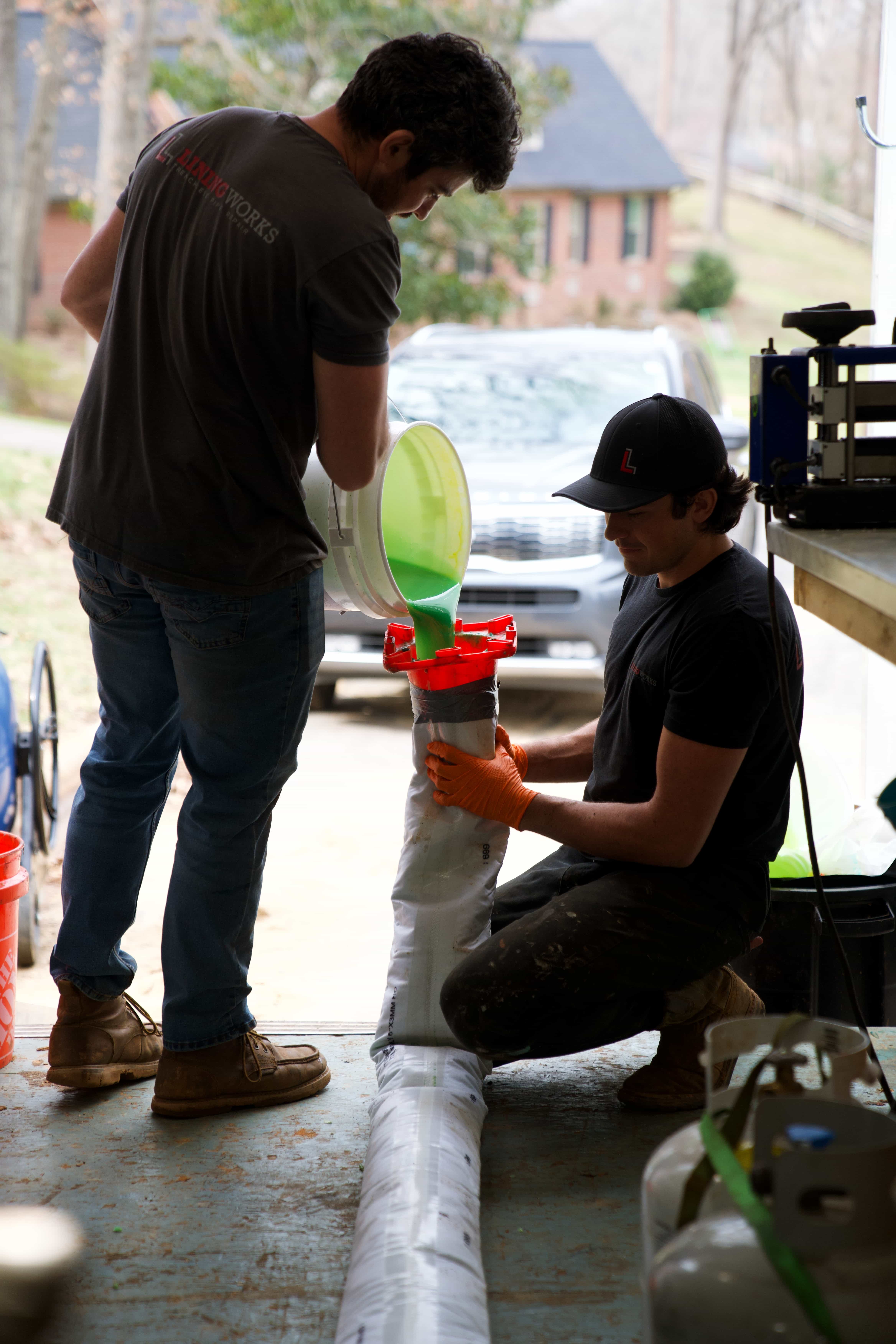
Storm drain CIPP liner being prepared for installation.

BEFORE & AFTER

Shopping center parking lot — 300-foot RCP storm drain rehabilitated without pavement disruption.

A Charlotte shopping center's main parking lot storm drain had developed joint separation at multiple locations, confirmed by camera inspection showing active water infiltration and void formation at three joint locations. Two surface depressions in the parking lot surface had been monitored for over a year.

LiningWorks installed a CIPP liner through the full 300-foot RCP run through existing curb-inlet and manhole access. Post-installation camera confirmed full liner bond at all three previously identified joint locations. The parking lot surface was not disturbed during the rehabilitation. Post-installation CCTV showed complete elimination of all visible joint gaps.

S
Shopping Center Property Manager
Charlotte, NC · Google
G
★★★★★

“Three joint failures and two parking lot depressions. LiningWorks installed the CIPP liner through existing inlets and manholes — 300 feet in two days without touching the parking lot surface. Post-installation camera was clean. The depressions were grouted from above. Done.”

Schedule a Storm Drain Assessment

WHY LININGWORKS FOR STORM DRAIN CIPP

What LiningWorks brings to storm drain CIPP lining.

Storm drain CIPP lining requires accurate liner specification for hydraulic and structural demands that differ from sanitary sewer applications.

Camera-first assessment — spec based on actual pipe conditions

Liner thickness is specified based on camera-documented conditions, pipe depth, traffic loading, and hydraulic demands — not a standard residential liner thickness applied to commercial infrastructure.

No excavation of roads, parking lots, or commercial hardscape

CIPP lining is performed entirely through existing storm drain access points — curb inlets, manholes, and headwalls — without any surface excavation or pavement restoration.

NC Plumbing License #16952

Licensed for commercial and municipal storm drain rehabilitation throughout North Carolina — including large-diameter systems and municipal infrastructure under road and parking surfaces.

Post-rehabilitation documentation for property and municipal records

Pre- and post-installation CCTV footage, liner material certifications, and installation records — everything property managers and municipal engineers need for project close-out.
Schedule a Storm Drain Assessment
LiningWorks technicians reviewing post-installation CCTV footage from a storm drain CIPP project.

HOW TO GET STARTED

Get storm drain CIPP lining started in three steps.

Camera first — we specify the liner for your pipe's actual loading conditions before any scope is developed.

01

Call and describe the storm drain system symptoms

336-477-3218, Mon–Sat 7AM–6PM. Surface depressions, flooding, known pipe age and material — describe what you're seeing and we'll recommend the right camera assessment approach.

02

Camera inspection and CIPP liner specification

We scope the full storm drain run, document all structural defects, and develop a CIPP liner specification based on actual pipe conditions, depth, and loading requirements.

03

CIPP lining with post-installation CCTV verification

Liner installation through existing access points — no excavation. Post-installation camera verifies full liner bond. Documentation package provided at project close-out.

Schedule a Storm Drain Assessment

FROM THE BLOG

Plain-English advice from your neighbors.

Stories, signs to watch for, and what actually works underground — straight from our crews.

Read all posts