Sewer Line Locating so you know exactly where your pipe runs.
LiningWorks sewer line locating uses an electronic sonde transmitter and surface receiver to map the exact route, depth, and layout of your buried sewer line — so repairs are targeted, excavations are precise, and no one damages what they can't see.
Free phone consultation. Flat-rate pricing. No upsells, ever.
We'll call you back within one business hour. No automated systems.
WHAT IT IS
What sewer line locating tells you before you touch the ground.
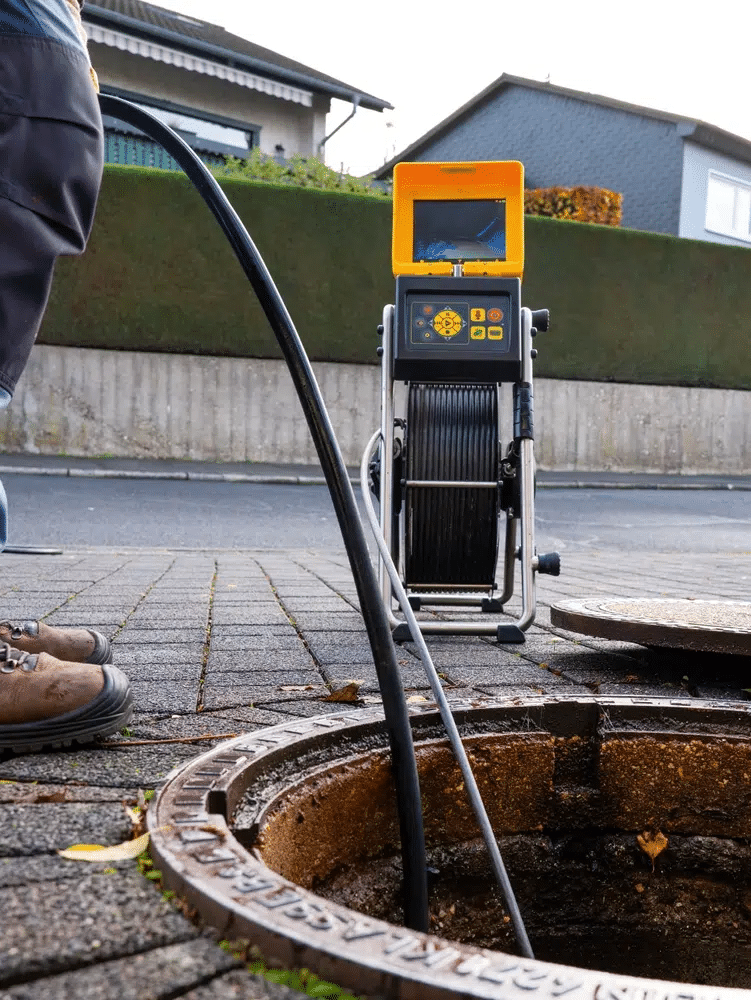
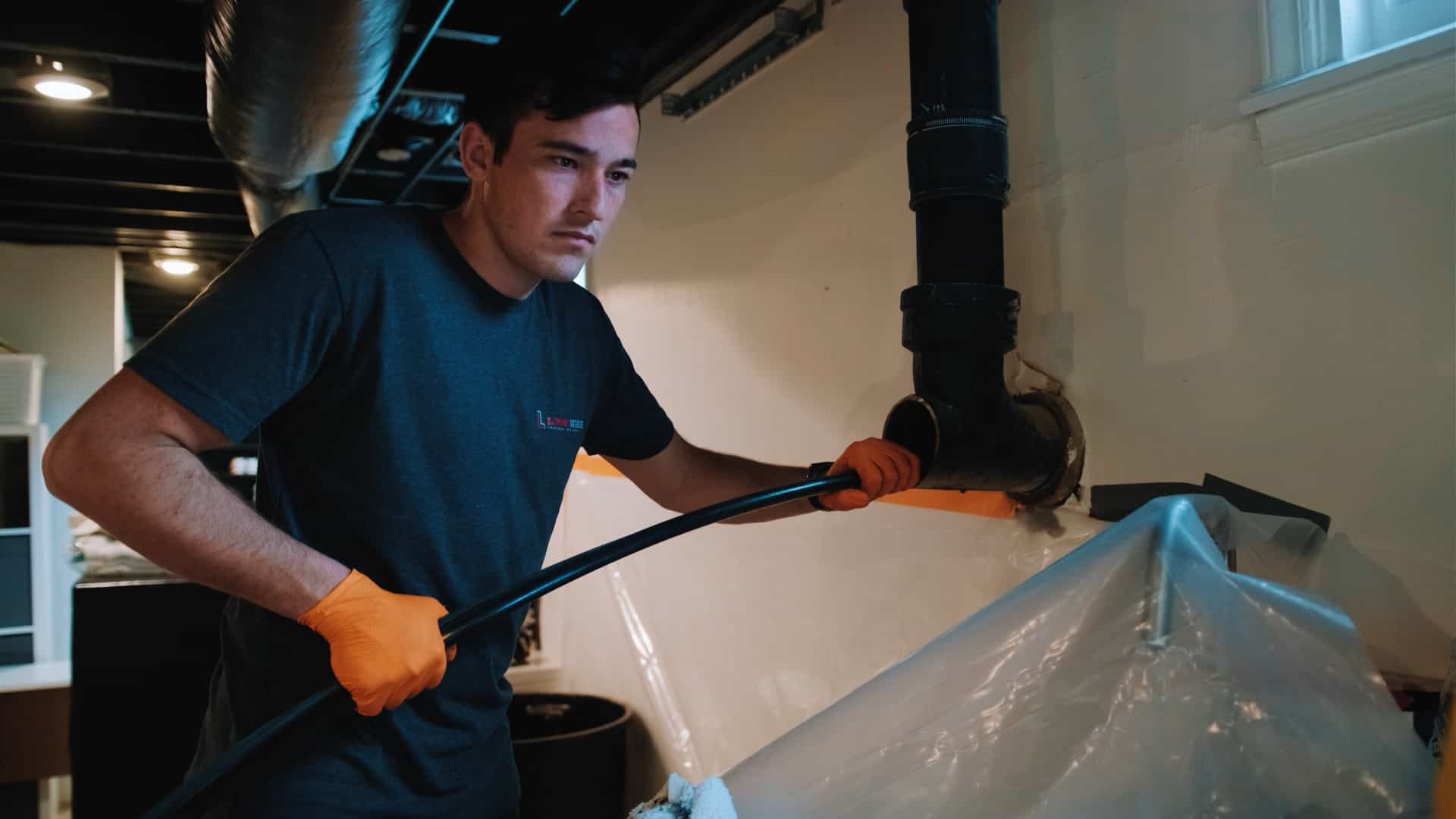
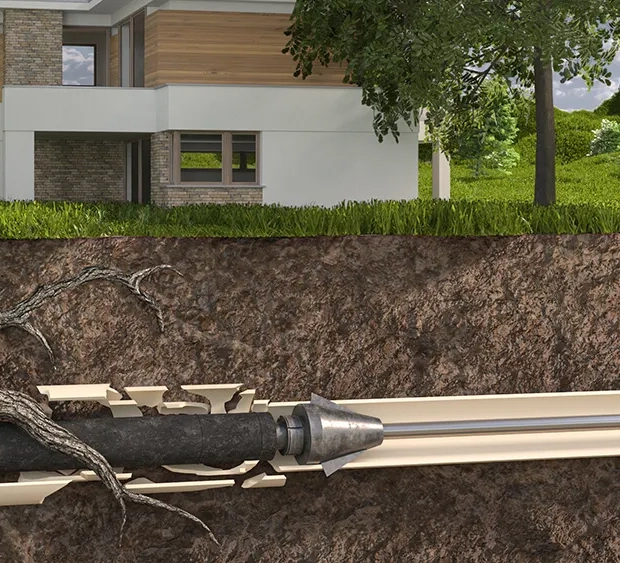
Sewer line locating is the process of mapping a buried sewer pipe from the surface — without digging. We feed a camera equipped with an electronic sonde transmitter into the line through your cleanout or vent stack. As the camera advances, a receiver on the surface picks up the signal and lets us trace the pipe's exact horizontal path and measure its depth at any point.
The result is a set of surface markings — typically spray paint or flags — showing precisely where the pipe runs under your yard, driveway, or landscaping. Depth measurements are recorded at each mark so any contractor knows exactly how far down to dig at every point.
Sewer line locating is essential before any trenchless repair, spot dig, home addition, pool installation, or major landscaping project near the sewer corridor. It eliminates guesswork and prevents accidental pipe damage during excavation.
We document the locating results — route map, depth readings, and access point distances — and leave a copy with you before we leave the property.
See how we map a buried sewer line from the surface without cutting a single shovelful of dirt — and what the finished route markings look like on a real property.
Four situations where sewer line locating saves time and money.
Sewer line locating prevents the most expensive outcomes of working blind near buried pipe. These four scenarios account for most locating calls we get in the Charlotte metro.
Before a sewer repair or spot dig
Sewer line locating tells the repair crew exactly where to open the ground — avoiding unnecessary excavation and keeping a small spot dig from becoming a large trench.
Before a home addition or new construction
Contractors need to know where the sewer lateral runs before pouring a foundation, adding a room over a slab, or placing footings. Sewer line locating maps the corridor so nothing is built over an inaccessible pipe.
Before a pool or landscaping project
Pool excavations and deep landscaping regularly damage sewer lines nobody knew were there. Sewer line locating takes 60–90 minutes; an accidental pipe strike can take days and thousands of dollars to repair.
During a home purchase due diligence
Knowing where the sewer line runs — and that it avoids planned improvements — is essential due diligence. We often run sewer line locating alongside a camera inspection for buyers doing a full sewer scope.
How our sewer line locating service works, step by step.
A LiningWorks sewer line locating visit is fast and non-invasive. Most residential line locating jobs are complete in under two hours from arrival.
1. Book and confirm cleanout access
When you call we confirm you have cleanout access — or identify an alternative entry point through a vent stack. We schedule same-week service and tell you exactly what to expect.
2. Camera and sonde transmitter enter the line
We feed a sonde-equipped camera into the pipe. The transmitter emits a signal our surface receiver can track in real time — no tracer wires, no chemicals, no mess.
3. We walk and mark the pipe route
As the camera advances, we walk the surface with the receiver and mark the pipe position with spray flags or paint. Depth is measured and recorded at intervals and at key points like bends or depth changes.
4. You receive a written route summary
We hand you a written record of the sewer line locating results — pipe route, depth readings, and access point references — before we leave. Your contractor gets the same document.
Exact location, exact depth — spot repair at half the cost.
A Myers Park homeowner needed a spot repair on a known crack. Without sewer line locating, the excavation contractor estimated a 12-foot trench to find the defect. Our locating put it at 27 feet from the cleanout, 3.5 feet deep — a precise 3-foot spot dig instead.
D
Denise Hartwell
8 Apr 2026 · Google
G
★★★★★
"The sewer line locating saved us from a landscaping nightmare. They marked the exact pipe route before our pool contractor broke ground. Turned out the line ran right through where the pool equipment pad was going. Avoided a very expensive mistake."
Why contractors and homeowners trust LiningWorks sewer line locating.
Sewer line locating is only useful if the results are accurate enough to act on. Here's what makes ours reliable.
NC-licensed crew running every locating job
Plumbing License #16952. Our brothers run every sewer line locating visit — no subcontractors, no trainees operating equipment unsupervised.
Electronic sonde accuracy to within inches
We use professional-grade sonde locating equipment — not wire-tracing tools. Horizontal accuracy is within a few inches; depth readings are reliable to half an inch.
Written locating results you keep
You leave with a documented record of the pipe route and depth readings — shareable with any contractor, engineer, or municipal inspector who needs it.
Flat-rate sewer line locating pricing
One price for the visit — route marking, depth readings, and the written report included. No per-foot charges or equipment fees added at the end.
Pre-repair, pre-construction, or pre-purchase — same straightforward process to get your line mapped before any work begins.
01
Call to describe what you need mapped
336-477-3218, Mon–Sat 7AM–6PM. Tell us what project or repair is coming up and we'll confirm sewer line locating is the right first step.
02
Schedule before your contractor starts
Most sewer line locating jobs are scheduled within the week. Book the locating before any excavation or construction work begins to protect both the pipe and your project budget.
03
Walk away with the marked route and depth report
We mark the surface route, document the depths, and hand you the written results before we leave. Your contractor has everything needed to work safely next to your sewer line.
Let’s talk about something most homeowners would rather not: what’s going on under your lawn. You’ve got this quiet, shady maple out front. Maybe you’ve even named it—something cha
If you’re reading this, chances are something’s not quite right under your feet. Maybe the drains are backing up. Maybe the yard smells like something crawled down there and gave u