Municipal Pipe Relining that rehabilitates aging infrastructure without excavating every street.
Municipal sewer and storm drain systems were built to last decades — and most of them have. Now those same systems are aging past their design life, developing joint failures, root intrusion, and wall corrosion that require rehabilitation at a scale that traditional open-cut replacement cannot efficiently address. LiningWorks municipal pipe relining uses CIPP lining and trenchless methods to rehabilitate aging infrastructure from the inside out.
Free phone consultation. Flat-rate pricing. No upsells, ever.
We'll call you back within one business hour. No automated systems.
WHAT IT IS
What municipal CIPP relining accomplishes for aging pipe infrastructure.
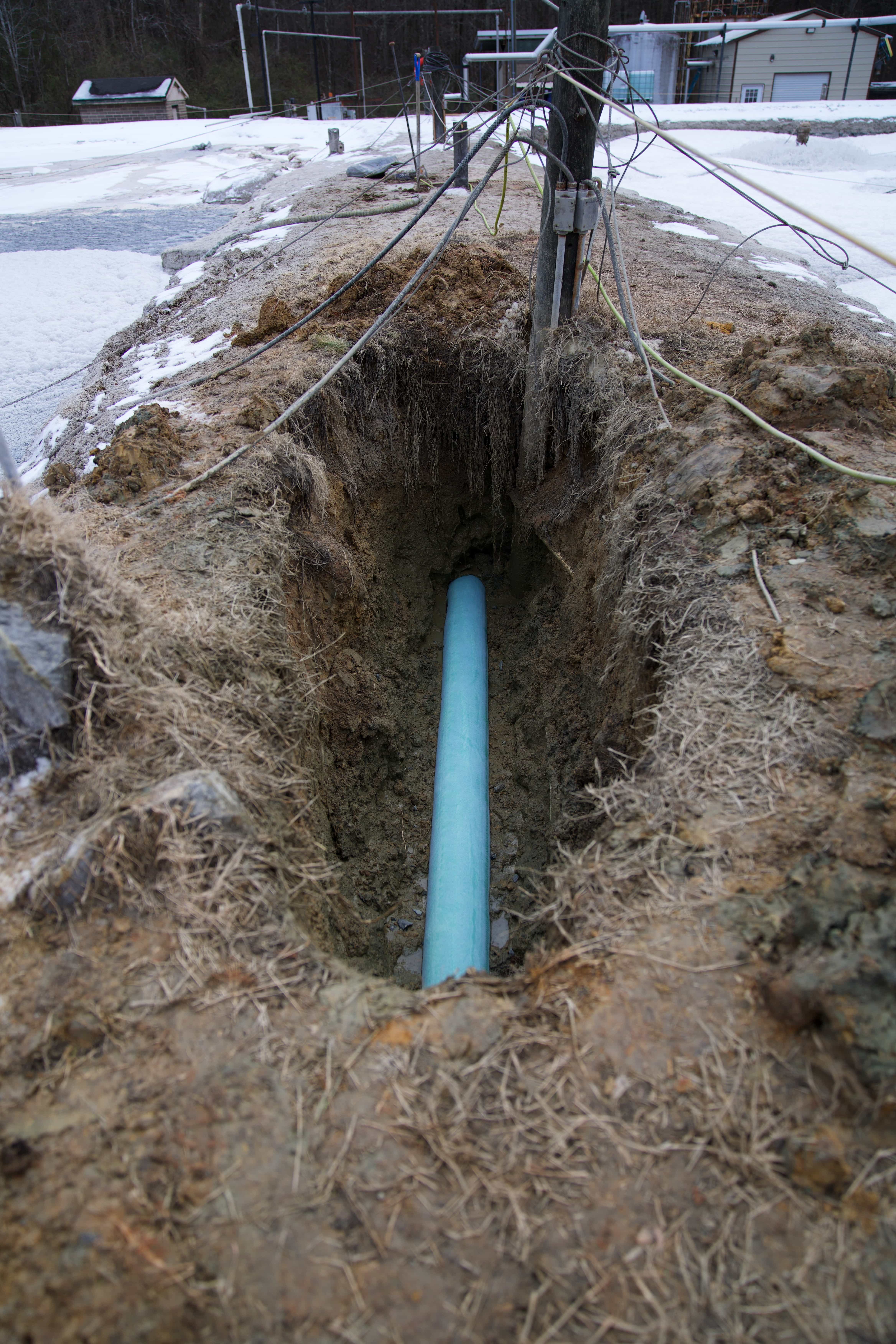
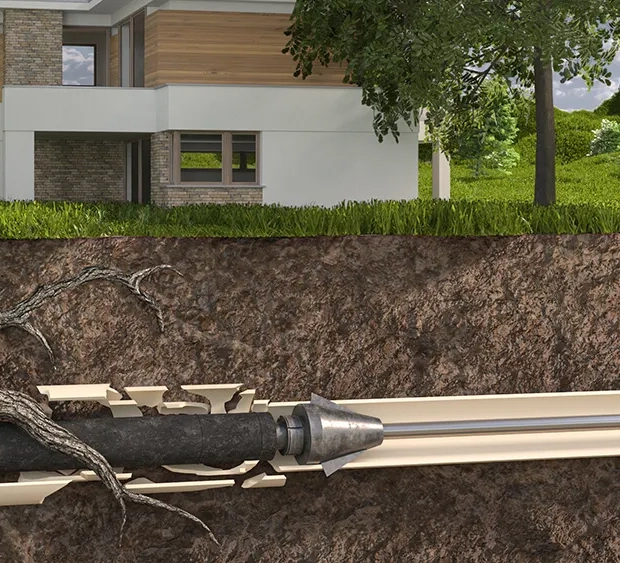
Municipal CIPP relining installs a structural liner inside an existing pipe — sewer main, storm drain, or culvert — without excavating the surface above. The liner bonds to the existing pipe interior, sealing all joints, cracks, and infiltration points while restoring the pipe's structural capacity.
For municipal systems, this means rehabilitating aging mainlines without tearing up streets, disrupting traffic, or requiring utility relocation. A typical CIPP project rehabilitates several hundred feet of pipe per installation day, compared to open-cut replacement that might advance 20 to 30 feet per day.
LiningWorks works directly with municipalities, utility districts, HOAs managing municipal-scale infrastructure, and engineering firms managing rehabilitation programs. We provide pre-installation camera condition reports, installation records, and post-installation CCTV verification for all municipal projects.
Municipal CIPP pipe relining — the trenchless process.
Watch a municipal sewer main CIPP relining project — camera inspection, pipe preparation, liner inversion, cure, and post-installation CCTV verification.
Four municipal pipe system types LiningWorks rehabilitates with CIPP relining.
Municipal CIPP relining applies to all pipe materials and most system types — from aging clay sewer mains to reinforced concrete storm drain infrastructure.
Gravity sewer mains — clay tile, RCP, and VCP
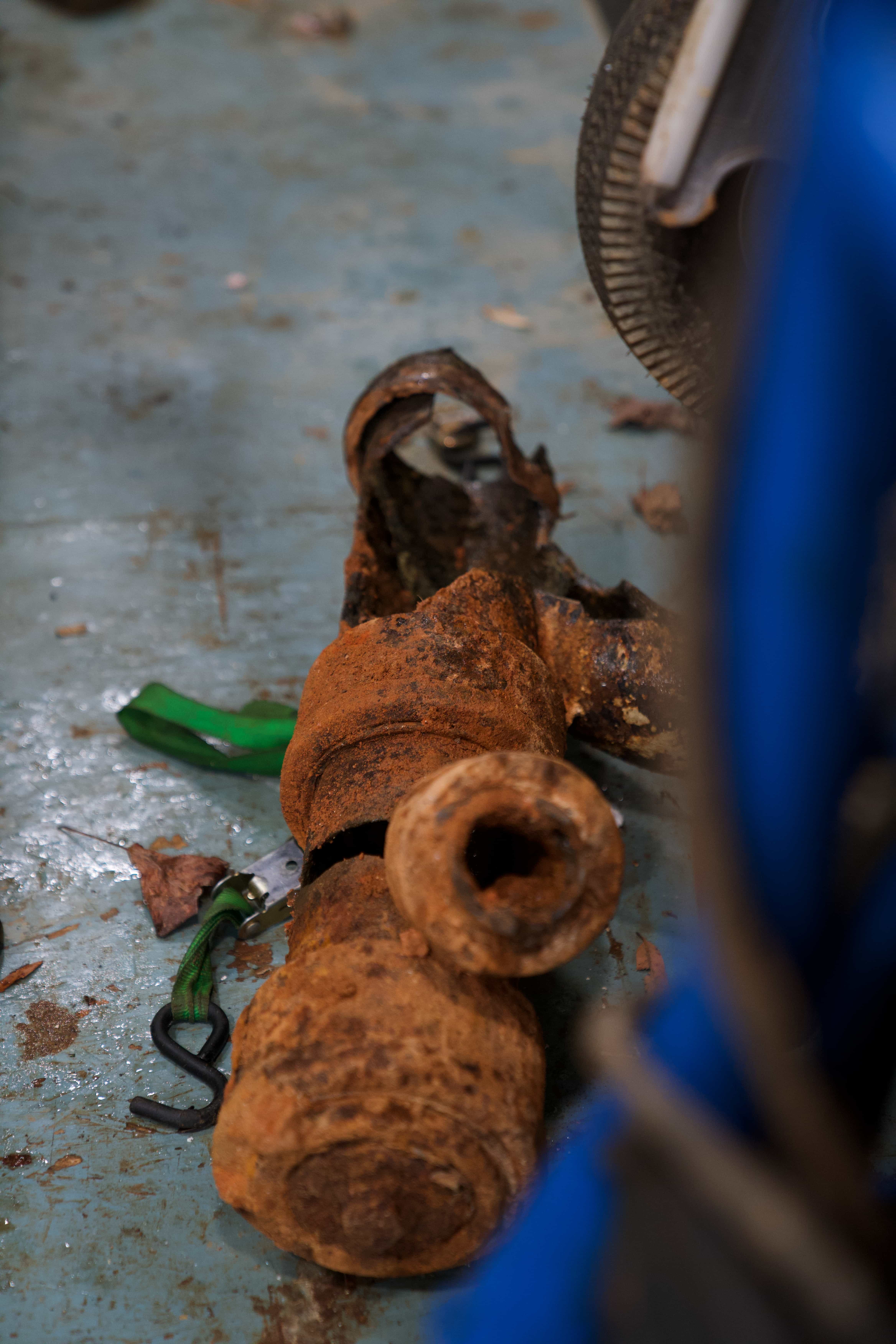
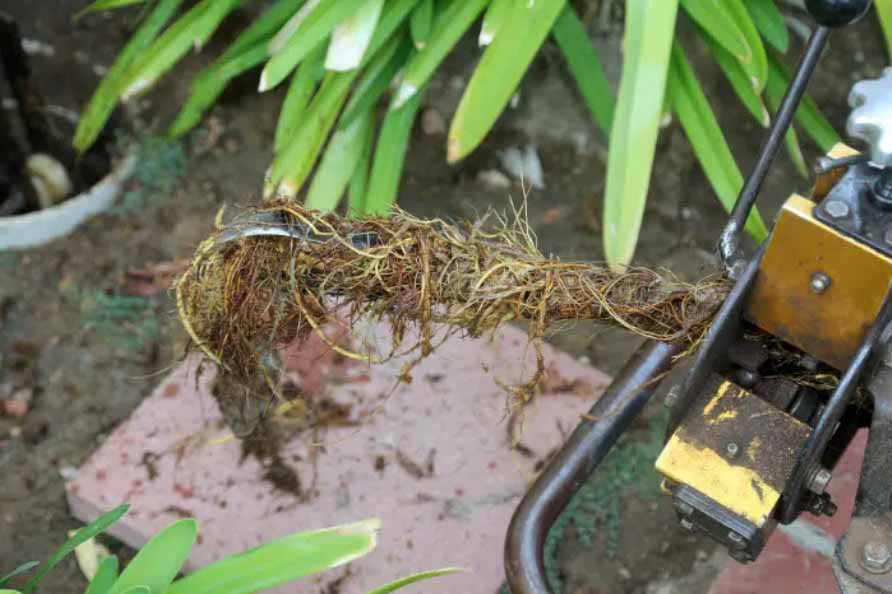
Aging gravity sewer mains develop joint failures, root intrusion, and exfiltration that require structural rehabilitation. CIPP lining rehabilitates the full mainline without open-cut excavation.
Storm drain and stormwater conveyance systems
Municipal storm drain infrastructure ages through joint separation, sediment accumulation, and wall corrosion. CIPP lining restores structural capacity and reduces infiltration without surface disruption.
Force main segments with joint failures
Pressurized force main segments that develop joint failures or wall corrosion require rehabilitation that can withstand operating pressure — CIPP liners for force mains are specified for pressure rating.
Culverts and roadway drainage structures
Culverts under roadways and parking lots age through CMP corrosion, RCP joint separation, and soil migration. CIPP lining rehabilitates culverts without excavating the roadway above.
Four things municipalities get from a LiningWorks CIPP relining program.
Municipal pipe relining programs require pre-project documentation, engineering-level liner specification, and post-installation records. LiningWorks delivers all four.
Pre-installation camera condition assessment and reporting
We scope the full pipe segment before installation, producing a written condition report with defect locations, severity classifications, and recommended rehabilitation scope.
Liner specification based on pipe loading and service conditions
Municipal liner specifications account for pipe diameter, depth of cover, H-20 traffic loading, and host pipe condition — not a residential-grade specification applied at scale.
Minimal surface disruption and traffic impact
CIPP lining is installed through existing manholes or access points — no open trench, no lane closures beyond the work zone, no utility relocation required.
Post-installation CCTV records and certification
Every municipal project receives post-installation CCTV footage, written installation certification, and project documentation suitable for municipal infrastructure records.
Municipal sewer main rehabilitation — 8-inch VCP lining in Dilworth, Charlotte.
A Dilworth neighborhood sewer main — 8-inch vitrified clay pipe installed in 1953 — had accumulated 14 root intrusion points and extensive joint offset over a 320-foot run between manholes. Previous spot repairs had been attempted at the worst locations but the systemic joint failure required full-run rehabilitation.
LiningWorks installed a continuous CIPP liner through the full 320-foot run, accessed entirely through the existing manholes. Every joint was sealed, all root intrusion was eliminated, and the completed liner was verified by post-installation CCTV before the project was closed.
M
Municipal Utilities Director
Charlotte, NC · Google
G
★★★★★
“LiningWorks completed the full 320-foot run in a single day without disturbing a single residential driveway. The post-installation camera footage was exactly what our engineering department needed to close the project record.”
What LiningWorks brings to municipal pipe relining projects.
Municipal relining projects require documentation, engineering coordination, and crew experience that typical residential contractors don’t carry.
Pre- and post-installation documentation for infrastructure records
Condition reports, liner specifications, installation records, and post-installation CCTV footage — all formatted for municipal infrastructure documentation requirements.
NC Plumbing License #16952 — municipal and commercial work
Our NC Plumbing License covers municipal-scale sewer and storm drain rehabilitation throughout North Carolina.
Engineering-grade liner specifications
We develop liner specifications based on actual pipe loading conditions — traffic, depth, and hydraulic requirements — not a residential-grade spec applied at municipal scale.
Minimal surface and traffic disruption
CIPP lining through existing manholes eliminates the need for open excavation, lane closures beyond the work zone, and utility relocation — reducing project cost and community impact.
Get a municipal pipe relining project started in three steps.
Camera condition assessment first — we scope before we specify.
01
Call with pipe segment details and known inspection data
336-477-3218, Mon–Sat 7AM–6PM. Pipe diameter, age, material, and any existing CCTV reports help us scope the right assessment for your municipal segment.
02
Camera assessment and condition report
We scope the full pipe segment and deliver a written condition report with defect locations, severity ratings, and recommended rehabilitation scope for engineering review.
03
Fixed-price proposal and licensed CIPP installation
A written fixed-price proposal with liner specification. Our NC-licensed crew installs and documents the full project with CCTV verification and municipal-grade project records.
Let’s talk about something most homeowners would rather not: what’s going on under your lawn. You’ve got this quiet, shady maple out front. Maybe you’ve even named it—something cha
If you’re reading this, chances are something’s not quite right under your feet. Maybe the drains are backing up. Maybe the yard smells like something crawled down there and gave u