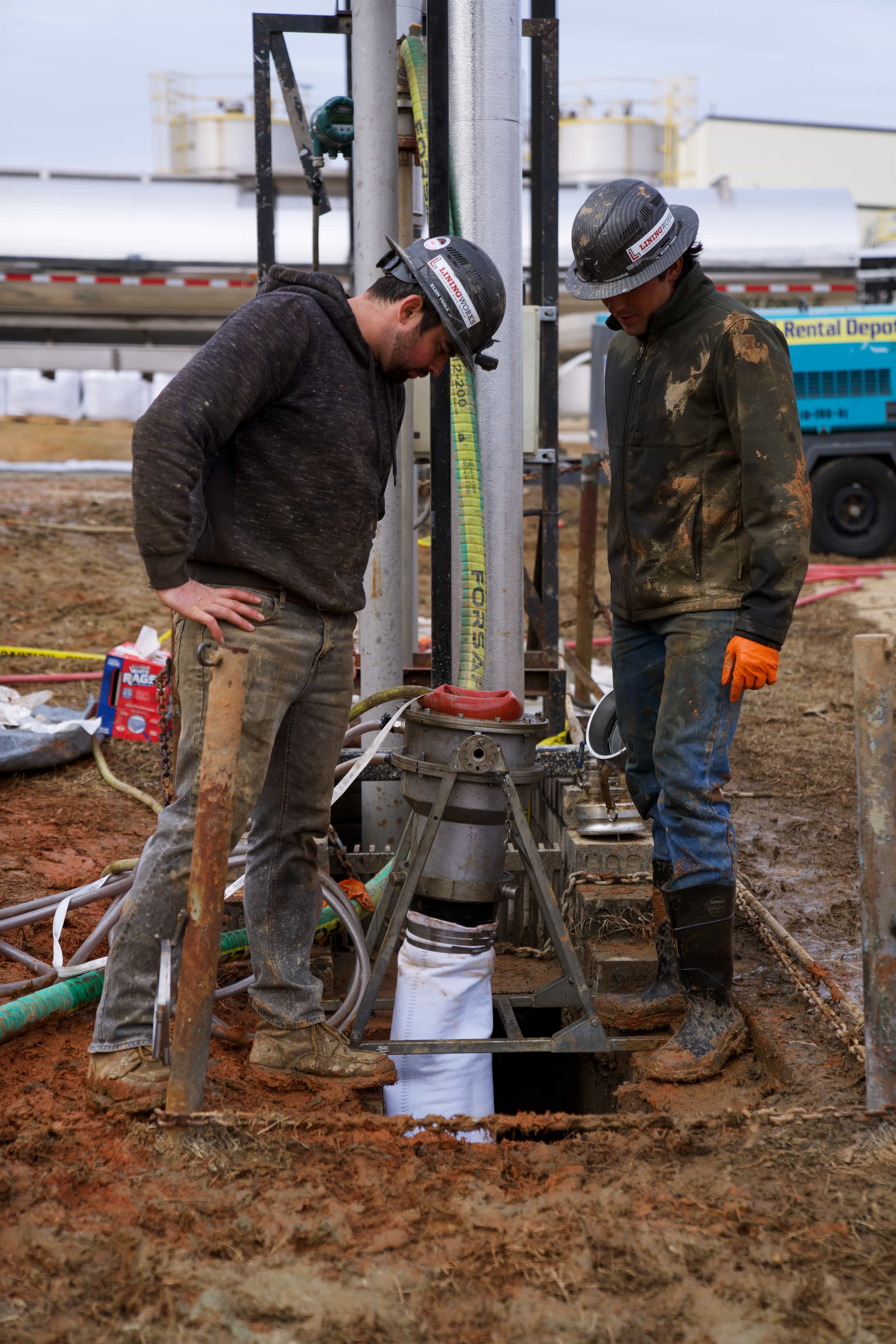
“Three surface depressions in the parking lot in 18 months. Camera found three joint failures in the storm drain. LiningWorks lined the full run through manholes, and we grouted the voids from the surface. No more depressions and the parking lot is intact.”
PROBLEM SIGN · COMMERCIAL TRENCHLESS REPAIR
Sinkholes and ground settlement above pipe routes mean voids are forming below the surface.
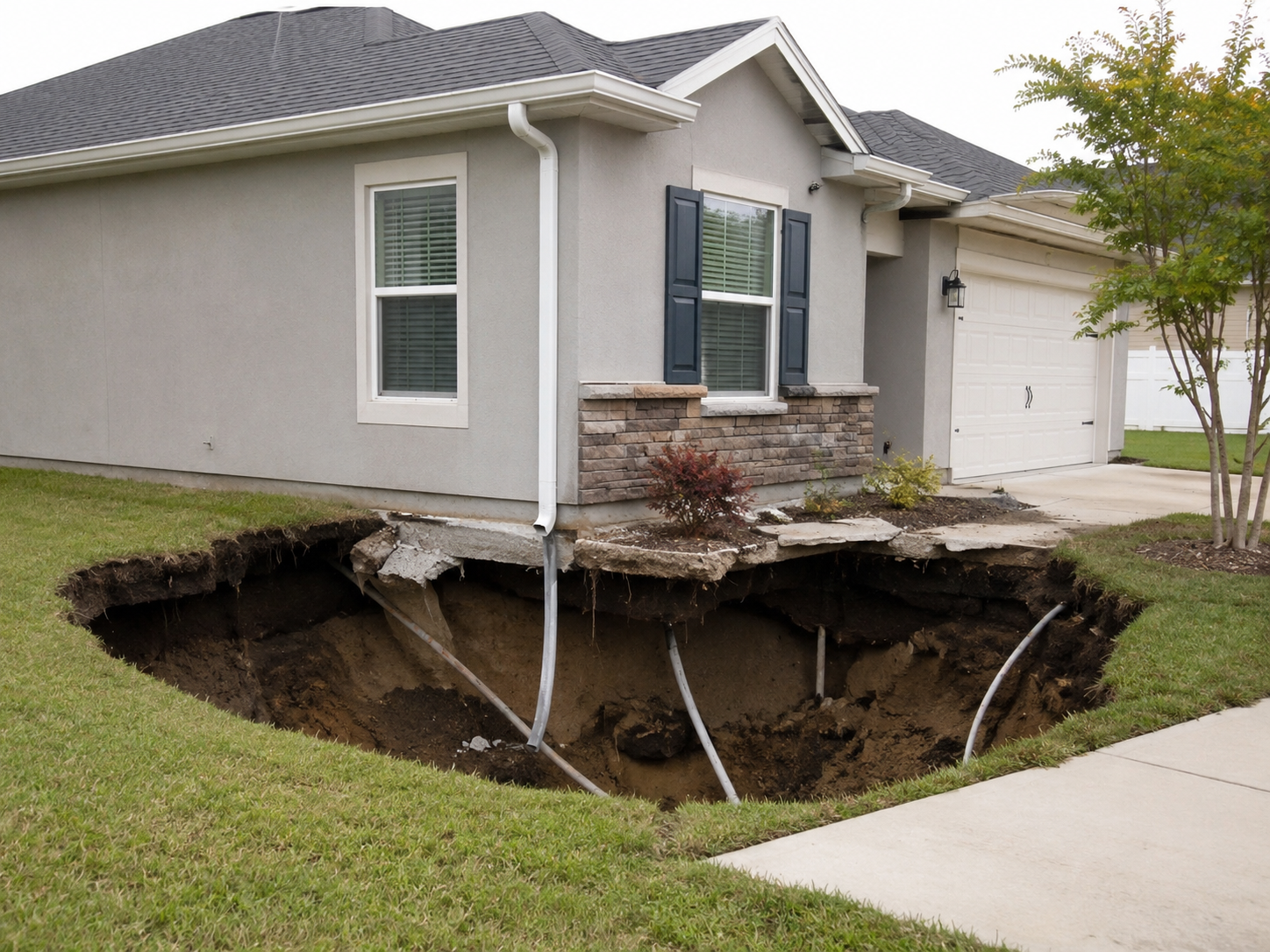
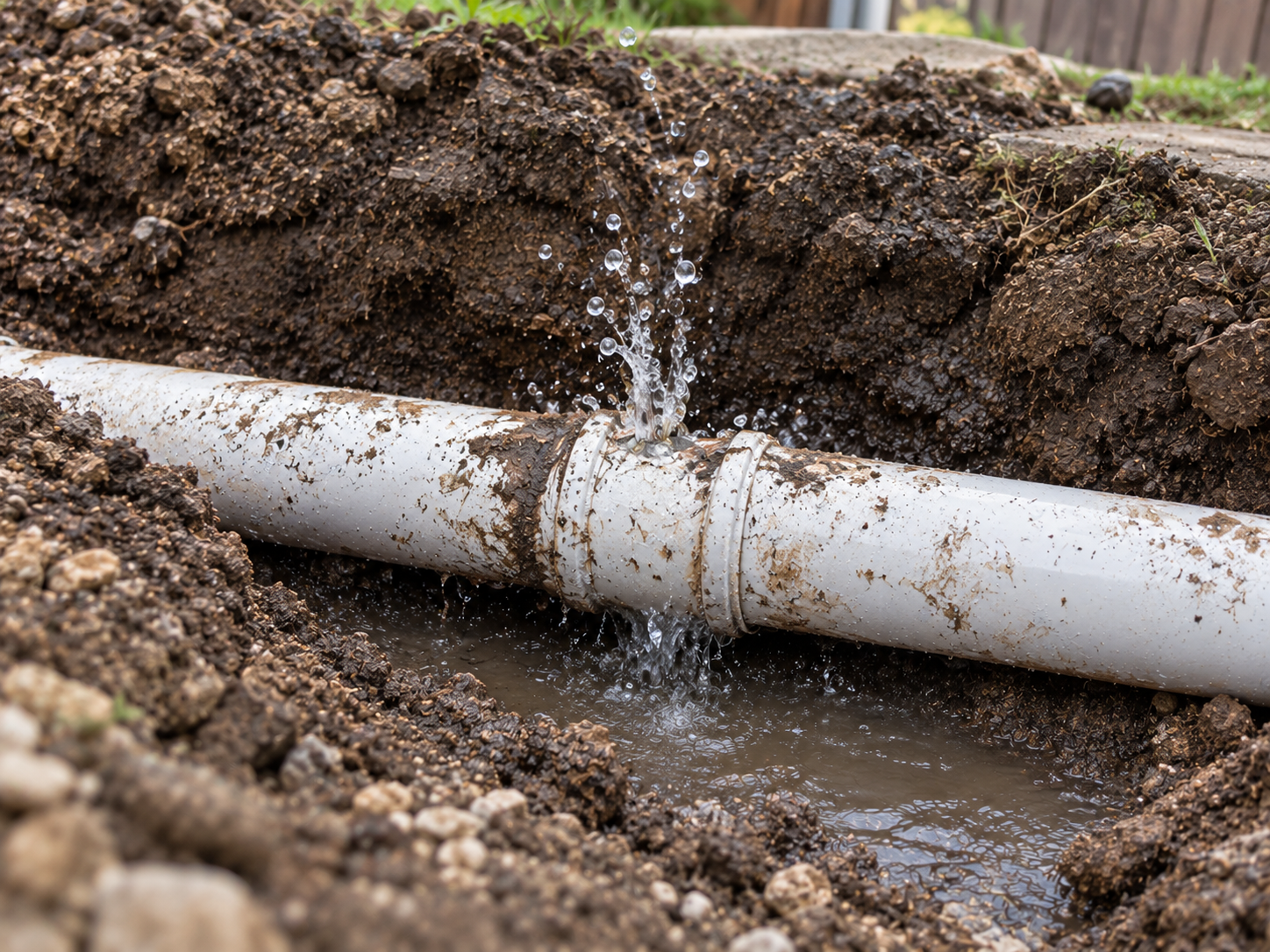
Surface depressions and sinkholes appearing above commercial pipe routes are not a surface problem — they're a subsurface void problem. Water infiltrating through failed pipe joints carries fine soil particles with it over time, creating growing voids that eventually manifest as surface depressions, pavement cracking, and sinkholes.
Tell us what's going on
Free phone consultation. Flat-rate pricing. No upsells, ever.
HOW VOIDS FORM
The mechanism from failed pipe joint to sinkhole.
Sinkhole formation above commercial pipe routes is a predictable consequence of water infiltration through failed joints — following a progression that takes months to years before the surface collapses.
Water enters through failed joint or crack under hydraulic pressure
Flow path carries fine-grained soil particles toward the pipe
Void develops in the soil directly above the failed joint
Surface collapses when the soil arch above the void fails
WHY SPEED MATTERS
Why sinkhole progression accelerates once surface movement begins.
Once surface depressions begin forming above a commercial pipe route, the void formation process accelerates — surface movement increases the rate of soil transport and the rate of void growth.
- Surface movement creates new flow paths in addition to existing onesOnce the surface begins to move, the settlement process creates new fracture paths through the soil above the void — increasing the rate of material transport and void growth.
- Utility infrastructure near the pipe may be affected as voids growVoids forming around a failed pipe joint can undermine adjacent utility infrastructure — conduit, water mains, gas lines — as the void extends beyond the original pipe zone.
- Larger void requires more extensive remediation to restore bearing capacitySmaller voids can often be addressed with pipe rehabilitation and pressure grouting from the surface. Larger voids may require excavation to restore soil bearing capacity — significantly increasing remediation cost.
PIPE TYPES MOST INVOLVED
Pipe systems and site conditions most commonly associated with sinkhole formation.
Sinkhole formation above commercial pipe routes is most common in older segmental pipe systems in granular soil environments — where fine-particle transport through failed joints is most efficient.
Segmental pipe systems in sandy or gravelly soils
Deep pipe installations under high traffic loading
Properties near construction activity or dewatering
Older concrete pipe with mortar joints that have fully deteriorated
BEFORE & AFTER
Office park parking lot — three surface depressions traced to failed storm drain joints.
A Charlotte office park had developed three visible surface depressions in the main parking lot over a period of approximately 18 months — all within 15 feet of the storm drain main. Camera inspection found joint separation at two locations and a partial crown crack at a third — all within the parking lot zone.
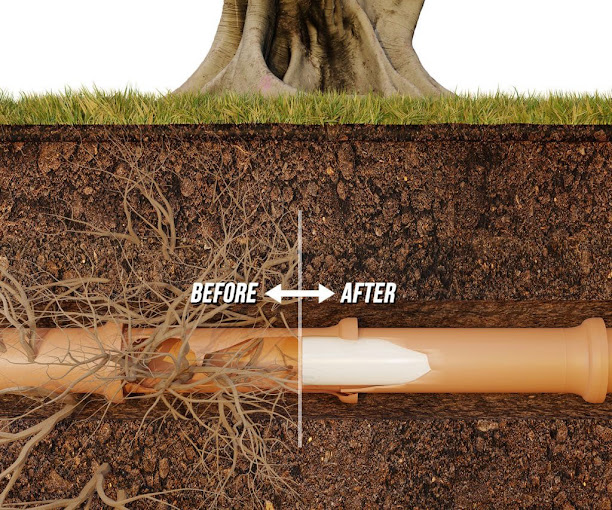
LiningWorks CIPP-lined the full affected storm drain run through existing manhole access points. Post-installation camera confirmed full liner bond at all three previously identified defect locations. The parking lot surface was not disturbed. The surface depressions were grouted from above after liner installation.
Real results. Real reviews.
Every review below is posted directly on Google by verified customers.
WHY LININGWORKS
How LiningWorks addresses sinkhole-causing pipe failures.
Sinkhole remediation starts with stopping the water infiltration through pipe rehabilitation — then addressing the void with pressure grouting from the surface. LiningWorks handles the pipe component without excavation.
Camera inspection locates every joint failure in the void zone
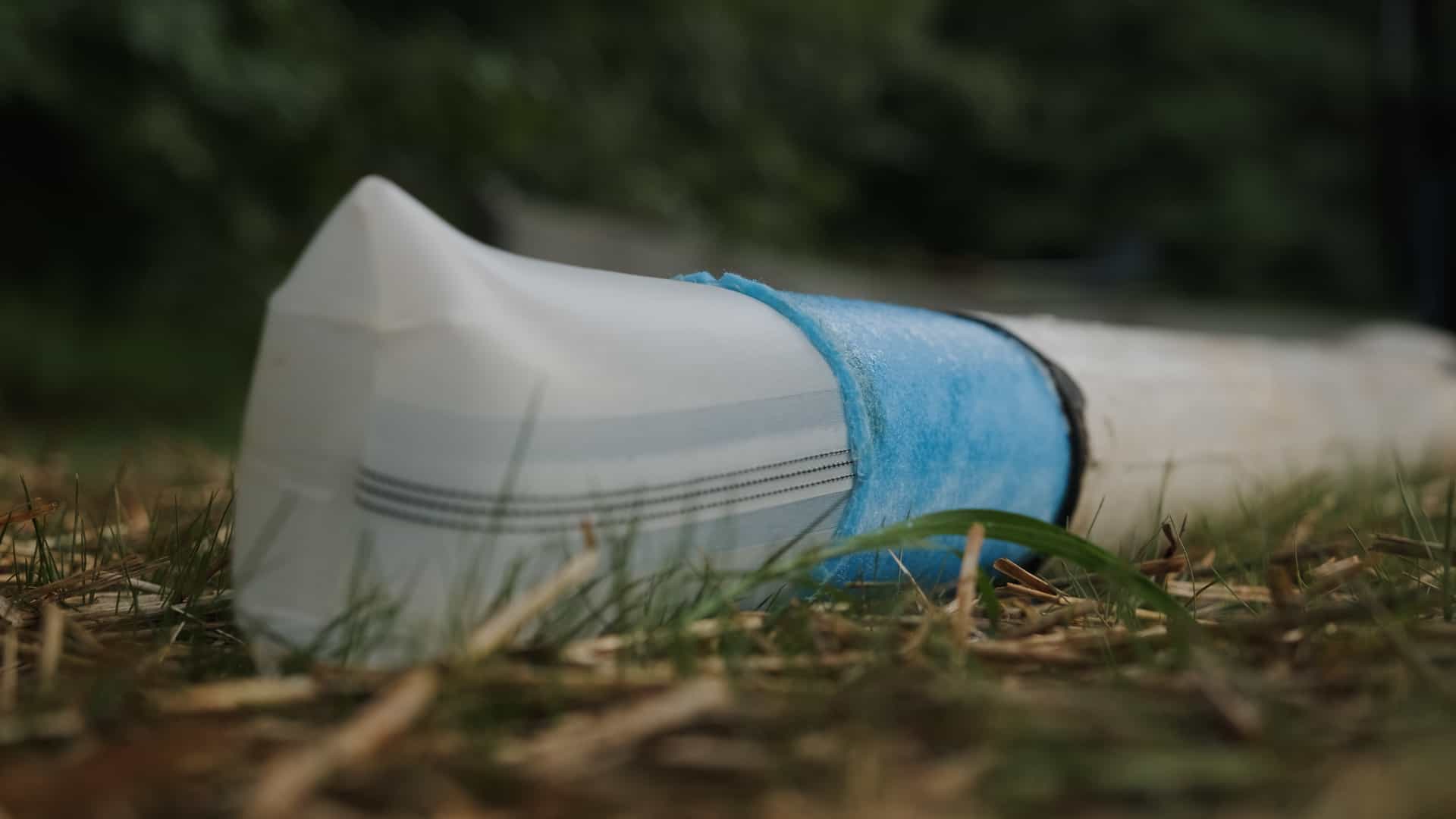
CIPP lining stops water infiltration through all identified defects
No excavation of the sinkhole zone for pipe rehabilitation
Documented pipe condition before and after rehabilitation
HOW TO GET STARTED
Start sinkhole-related pipe rehabilitation in three steps.
Camera inspection first — identify all pipe defects in the void zone before the surface condition worsens.
Call and describe the surface conditions
336-477-3218, Mon–Sat 7AM–6PM. Surface depressions, pavement cracking above pipe routes, small sinkholes — describe the location and timeline and we'll assess urgency and schedule promptly.
Camera inspection of the pipe beneath the settlement zone
We scope the pipe run beneath the affected surface area, identify all joint failures and structural defects, and develop a CIPP lining scope that covers the full void-generating zone.
CIPP lining stops infiltration — surface grouting addresses the void
CIPP lining through existing manholes seals all pipe defects. Post-installation camera verifies full liner coverage. Void remediation by pressure grouting from the surface completes the restoration.
Plain-English advice from your neighbors.
Stories, signs to watch for, and what actually works underground, straight from our crews.
Drain CleaningSlow Drains and Gurgling Sounds? Here’s What’s Going On
Let’s talk about something nobody puts on their vision board: slow drains.
Read more
Sewer RepairWhy Are There Foul Odors In My House? 7 Common Causes Explained
Let us paint you a picture. You walk into your house after a long day. You expect the comforting smell of… well… not sewage.
Read more
Sewer RepairHow Tree Roots Invade Sewer Lines and How to Stop Them
Let’s talk about something most homeowners would rather not: what’s going on under your lawn. You’ve got this quiet, shady maple out front. Maybe you’ve even named it, something cha
Read more
Trenchless RepairWhat Is Trenchless Sewer Repair? A Beginner’s Guide
If you’re reading this, chances are something’s not quite right under your feet. Maybe the drains are backing up. Maybe the yard smells like something crawled down there and gave u
Read more