“Quarterly blockage service calls for three years, all in the same spot. Camera found root intrusion at three joints under the median oaks. LiningWorks cut them, lined the joints, and we've had zero blockages since. That quarterly service call is gone.”
PROBLEM SIGN · STORM DRAIN REHABILITATION
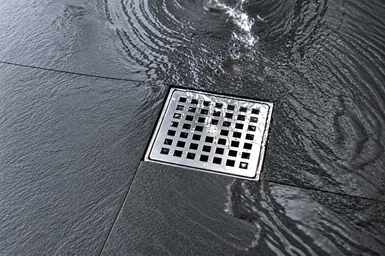
Recurring storm drain blockages that come back after cleaning are a structural problem.
When a storm drain system blocks repeatedly — even after professional cleaning — the blockage is not the problem. The structural condition generating the recurring obstruction is the problem. Camera inspection reveals whether root intrusion, a partial collapse, a pipe belly, or a significant offset is causing blockage to regenerate.
Tell us what's going on
Free phone consultation. Flat-rate pricing. No upsells, ever.
WHY STORM DRAINS BLOCK REPEATEDLY
Structural conditions that cause storm drain blockages to recur.
Storm drain cleaning removes the blockage temporarily but does nothing about the structural condition generating it. These are the conditions most commonly responsible for recurring storm drain blockages.
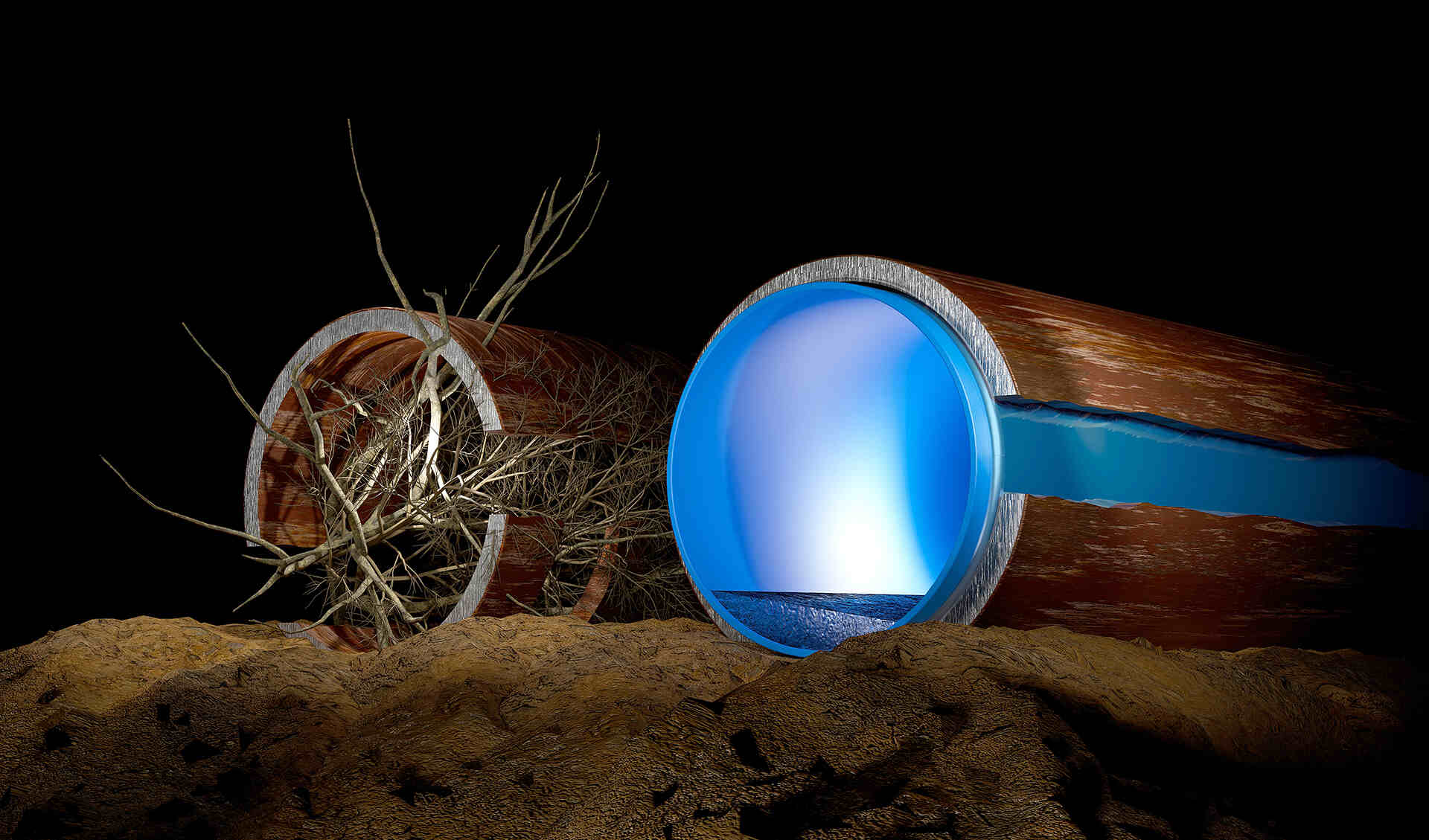
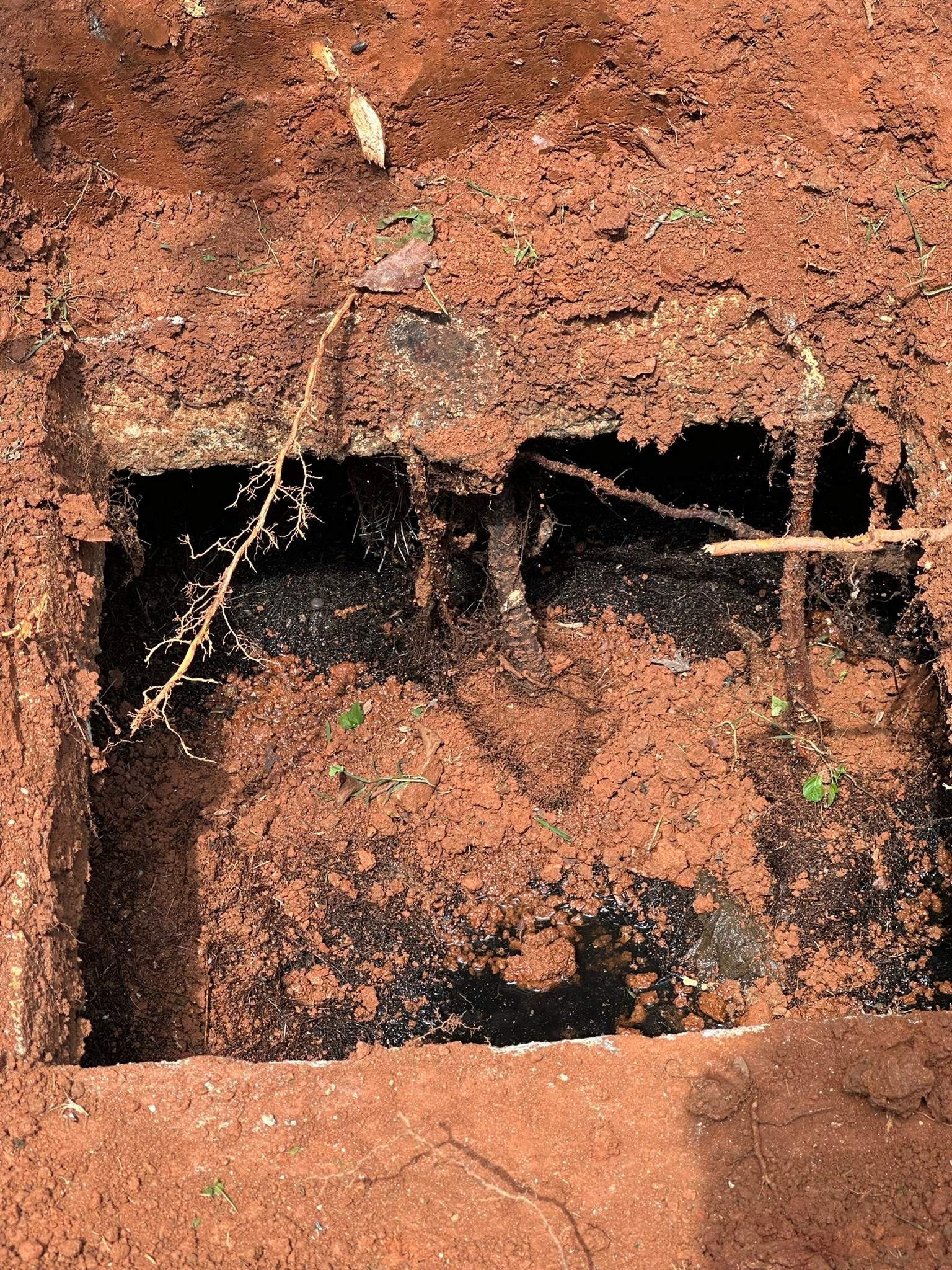
Root intrusion through joint cracks — root mass regenerates after cutting
Partial structural collapse creating a debris collection point
Pipe belly creating a sediment trap between cleaning cycles
Significant offset joint creating a catch point for storm debris
CAMERA FINDS THE CAUSE
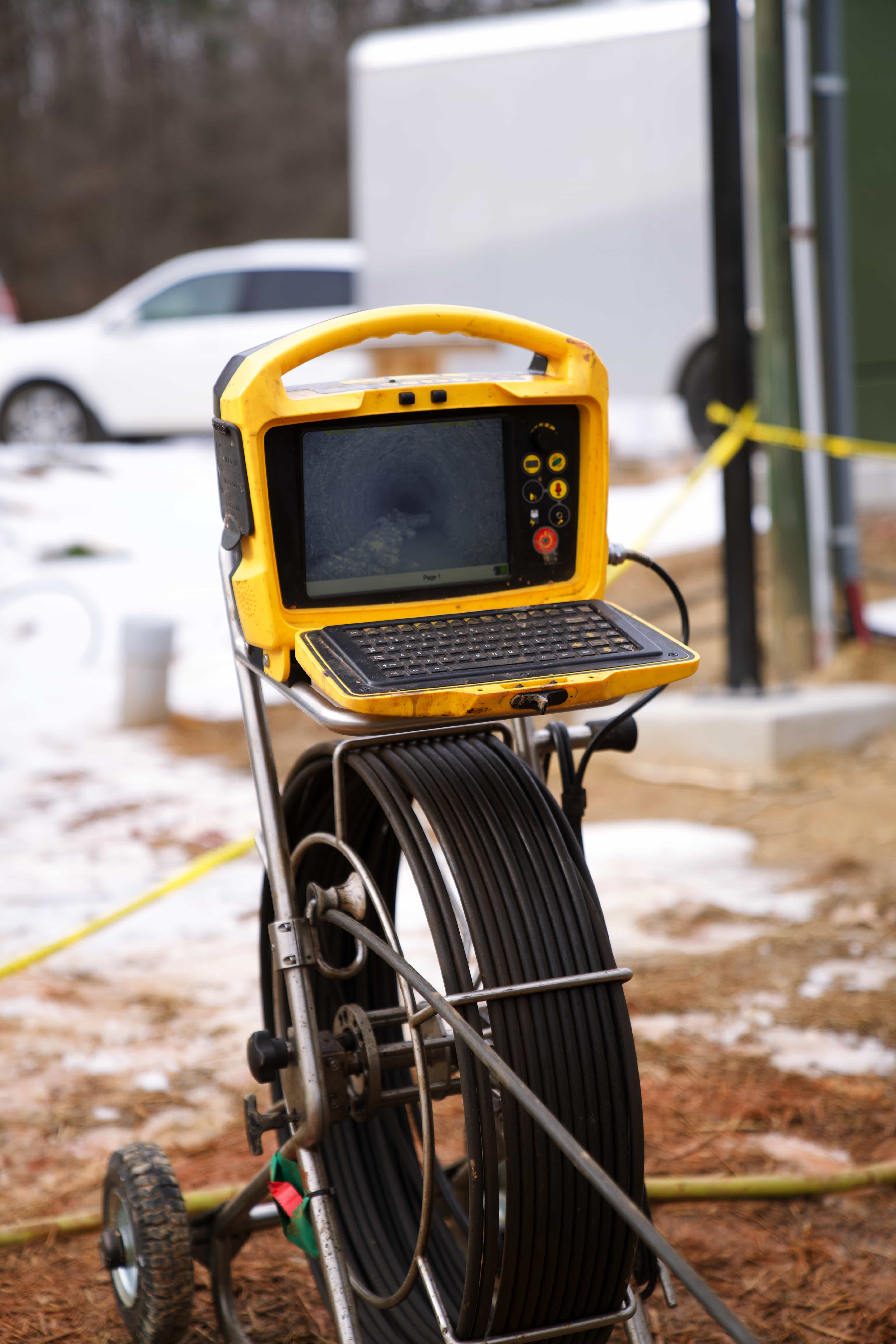
Camera inspection identifies the structural source of recurring blockage.
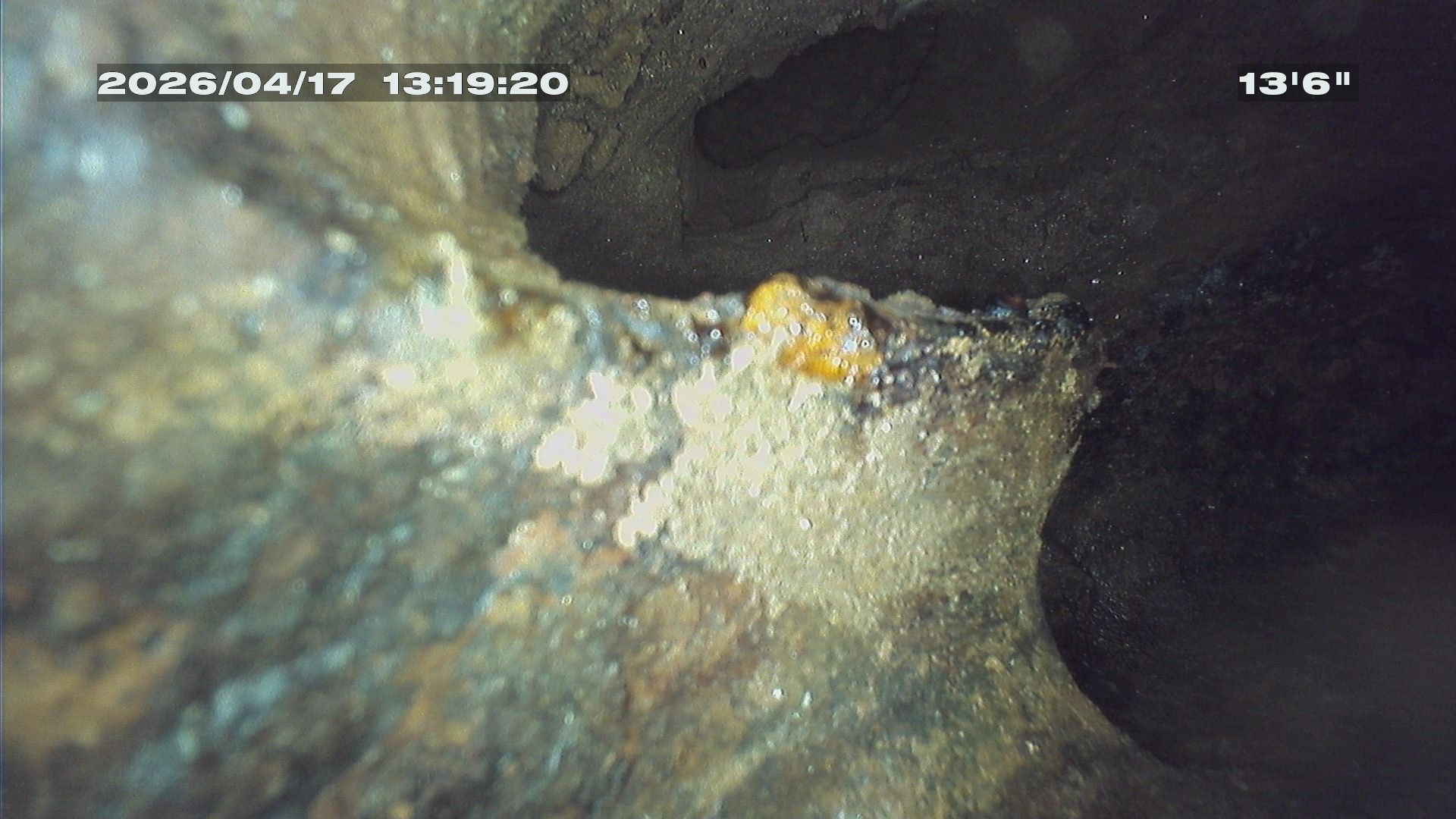
Without camera inspection, recurring blockages are treated by increasing cleaning frequency — an endless maintenance cycle that never addresses the structural source. Camera inspection identifies the cause once.
- Camera locates the exact point generating the recurring blockageCamera inspection identifies whether the recurring blockage is caused by root intrusion at a specific joint, a partial collapse at a specific location, or a belly in a specific pipe segment.
- Camera documents whether cleaning frequency is the problem or structural rehabilitation is requiredSome systems simply need more frequent maintenance. Camera inspection confirms whether the blockage recurrence rate is consistent with normal maintenance requirements or indicates a structural source.
- Camera footage provides the evidence for accurate rehabilitation scope specificationPre-rehabilitation camera documentation provides the evidence needed to specify the right rehabilitation scope — whether root cutting and lining, structural spot repair, or full-run CIPP.
STORM DRAIN SYSTEMS MOST AFFECTED
Storm drain pipe types and conditions most prone to recurring blockage.
Recurring blockages are concentrated in older segmental pipe systems and in pipes with known structural deterioration — particularly where root entry is possible.
Tree-lined pipe routes with aging concrete and clay storm drain pipe
CMP storm drain systems with advanced invert corrosion
Storm drain systems with flat gradients and low flow velocities
Storm drains receiving high debris loads from surrounding vegetation
BEFORE & AFTER
Medical office park — recurring storm drain blockages eliminated with root cutting and CIPP lining.
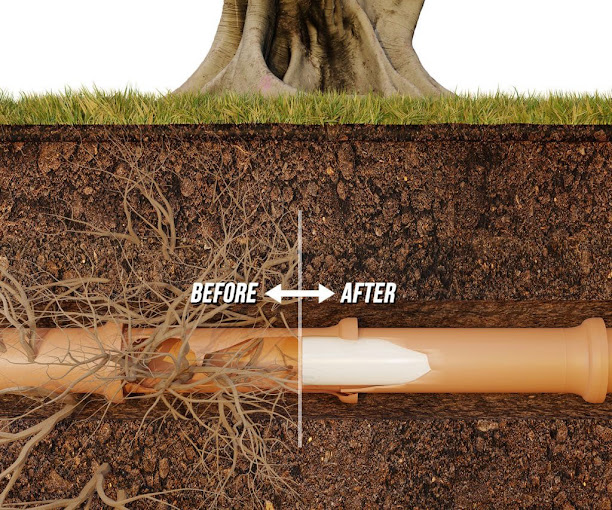
A Greensboro medical office park had been managing quarterly storm drain blockages for three years — each blockage occurring in the same section of storm drain pipe beneath a landscaped median with large oak trees. Camera inspection found root intrusion at three joint locations within a 120-foot pipe run.
LiningWorks cut all root masses, hydro-jetted the full run, and installed CIPP lining through all three root-entry joints. Post-installation camera confirmed root elimination and full liner bond at all three joints. The property has had zero storm drain blockages since installation.
Real results. Real reviews.
Every review below is posted directly on Google by verified customers.
WHY LININGWORKS
Camera diagnosis plus permanent rehabilitation — no more blockage cycles.
Recurring storm drain blockages require structural diagnosis, not more frequent cleaning. LiningWorks camera-first approach identifies the source and provides a permanent solution.
Camera identifies the structural source of recurring blockage
CIPP lining permanently eliminates root-entry joints and bridging collapse sections
Root cutting and CIPP lining through existing access — no excavation
Post-installation camera confirms structural source elimination
HOW TO GET STARTED
Get recurring storm drain blockages resolved in three steps.
Camera identifies the structural source — root cutting and CIPP lining eliminate it permanently.
Call and describe the blockage pattern
336-477-3218, Mon–Sat 7AM–6PM. Blockage frequency, location in the system, current maintenance schedule — describe the recurrence pattern and we'll schedule a camera assessment.
Camera inspection identifies the structural blockage source
We scope the affected storm drain run, identify the structural source of recurring blockage, and develop a targeted rehabilitation scope — root cutting and lining, spot repair, or full-run CIPP.
Structural rehabilitation eliminates the source — not just the blockage
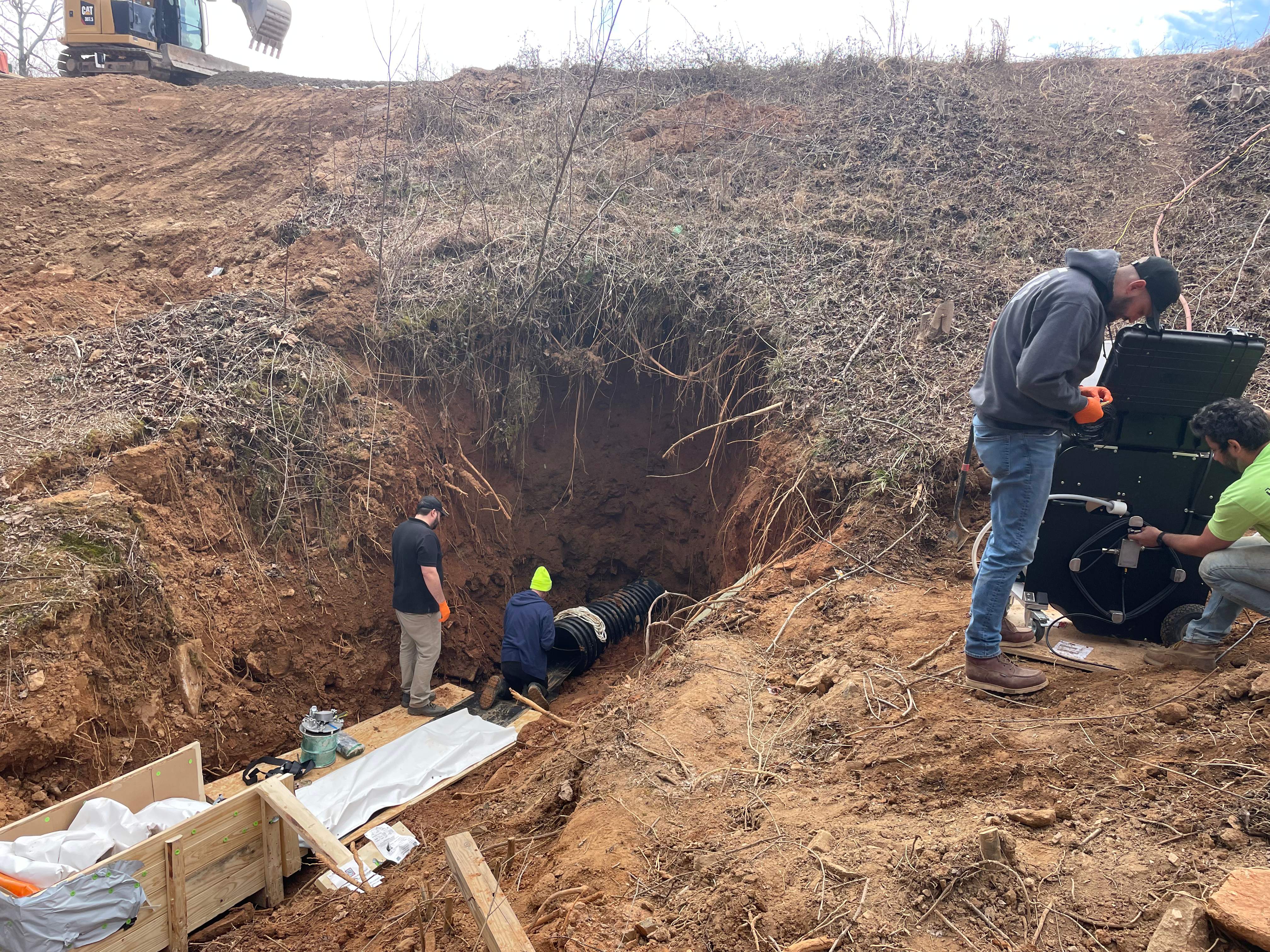
Root cutting and CIPP lining, installed through existing access, eliminate the structural condition generating recurring blockages. Post-installation camera confirms complete treatment.
Plain-English advice from your neighbors.
Stories, signs to watch for, and what actually works underground, straight from our crews.
Drain CleaningSlow Drains and Gurgling Sounds? Here’s What’s Going On
Let’s talk about something nobody puts on their vision board: slow drains.
Read more
Sewer RepairWhy Are There Foul Odors In My House? 7 Common Causes Explained
Let us paint you a picture. You walk into your house after a long day. You expect the comforting smell of… well… not sewage.
Read more
Sewer RepairHow Tree Roots Invade Sewer Lines and How to Stop Them
Let’s talk about something most homeowners would rather not: what’s going on under your lawn. You’ve got this quiet, shady maple out front. Maybe you’ve even named it, something cha
Read more
Trenchless RepairWhat Is Trenchless Sewer Repair? A Beginner’s Guide
If you’re reading this, chances are something’s not quite right under your feet. Maybe the drains are backing up. Maybe the yard smells like something crawled down there and gave u
Read more