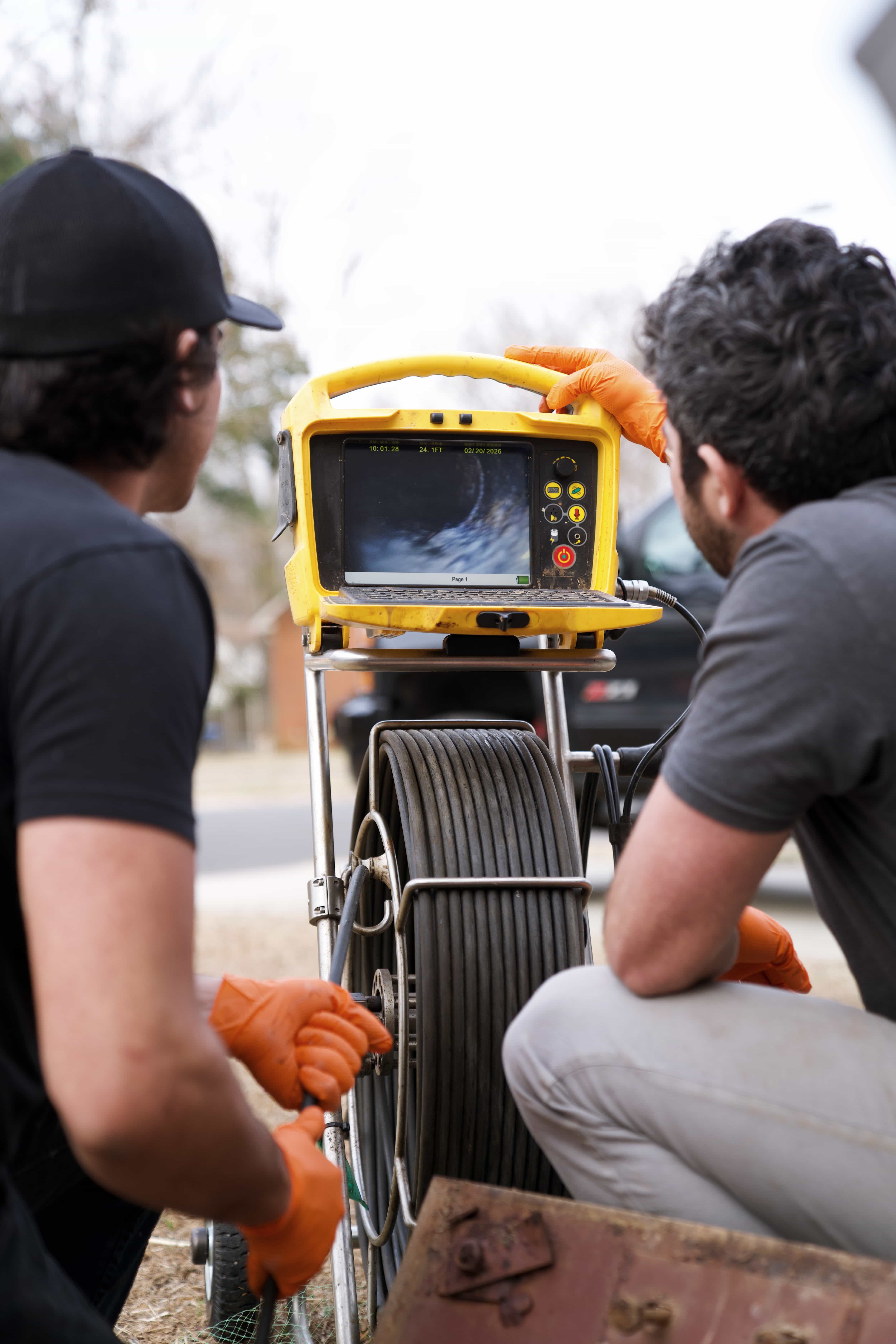
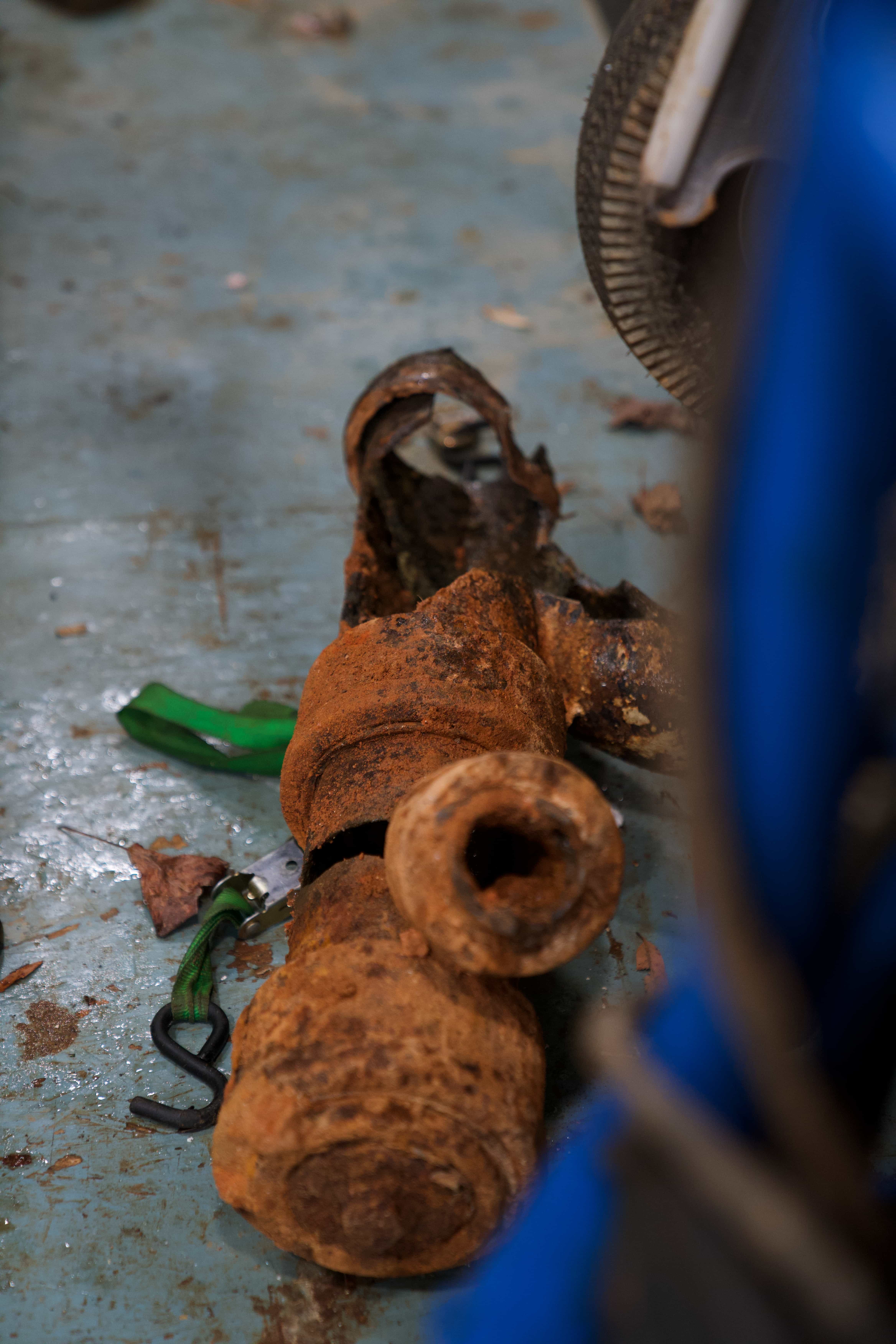
“Wet-weather surcharging with 2.8x flow spikes. Camera found eight joint infiltration points. LiningWorks lined the full system and our post-rehab flow monitoring showed a 75% reduction in wet-weather spikes. The surcharging problem is gone.”
PROBLEM SIGN · STORM DRAIN REHABILITATION
Inflow and infiltration in storm drain systems create capacity and compliance problems that worsen each year.
Groundwater infiltrating into storm drain pipes through failed joints, and sanitary wastewater entering through illegal or failed cross-connections, both increase system load beyond design capacity — causing flooding during wet weather and potential regulatory compliance problems where sanitary/stormwater commingling is prohibited.
Tell us what's going on
Free phone consultation. Flat-rate pricing. No upsells, ever.
I&I IN STORM DRAIN SYSTEMS
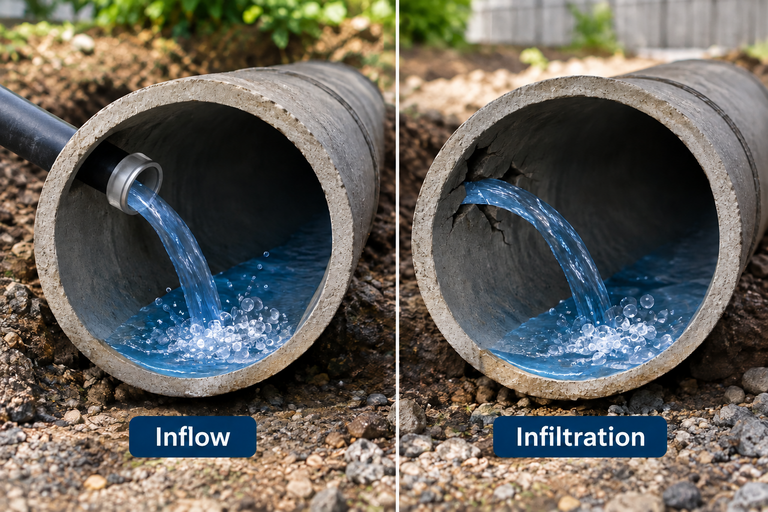
Two types of inflow and infiltration affecting storm drain systems.
Inflow and infiltration in storm drain systems involves two distinct water sources — groundwater entering through failed pipe joints, and sanitary wastewater entering through cross-connections.
Groundwater infiltration through failed pipe joints
Sanitary wastewater through illegal or failed cross-connections
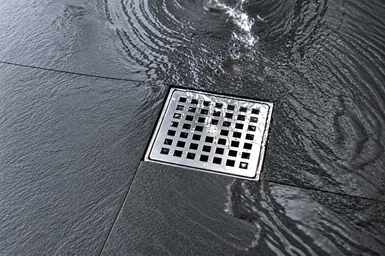
Surface water inflow through inlet surcharge or grate openings
Stormwater from adjacent properties entering through failed pipe connections
DETECTING I&I
How LiningWorks identifies inflow and infiltration in storm drain systems.
I&I detection in storm drain systems uses camera inspection, dye testing, and flow monitoring — each identifying different aspects of the infiltration problem.
- Camera inspection under wet conditions identifies active groundwater infiltrationCamera inspection during or after rain events shows active water entry through pipe joints and cracks — identifying the precise locations and volumes of groundwater infiltration.
- Dye testing confirms sanitary cross-connections to the storm drain systemDye testing of suspect sanitary fixtures and connections confirms whether sanitary wastewater is entering the storm drain system and identifies the cross-connection locations.
- Flow monitoring quantifies total infiltration volume for compliance documentationContinuous flow monitoring over a wet-weather period quantifies total infiltration volume and the relationship between rainfall events and flow spikes — providing data for compliance reporting.
HIGH I&I RISK SYSTEMS
Storm drain systems and locations with the highest I&I risk.
I&I risk in storm drain systems is highest in older pipe systems with high groundwater exposure and in commercial developments with complex utility infrastructure history.
Pre-1990 segmental pipe systems in high water table areas
Commercial developments with utility infrastructure from multiple construction eras
Storm drain systems receiving combined sanitary and stormwater from older buildings
Properties adjacent to new construction with dewatering discharge
BEFORE & AFTER
Urban commercial property — storm drain I&I reduced 75% with CIPP joint sealing.
A Charlotte urban commercial property had a private storm drain system with documented wet-weather surcharging — flow monitoring over two months showed infiltration volumes spiking to 2.8x dry-weather baseline during significant rain events. Camera inspection under wet conditions found active water entry at eight separate joint locations throughout the system.
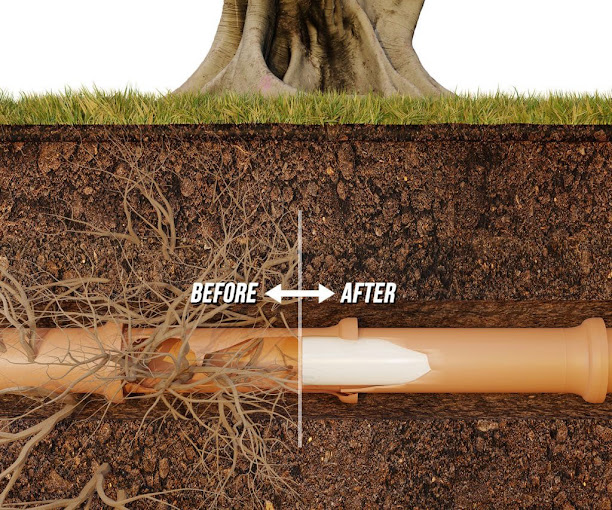
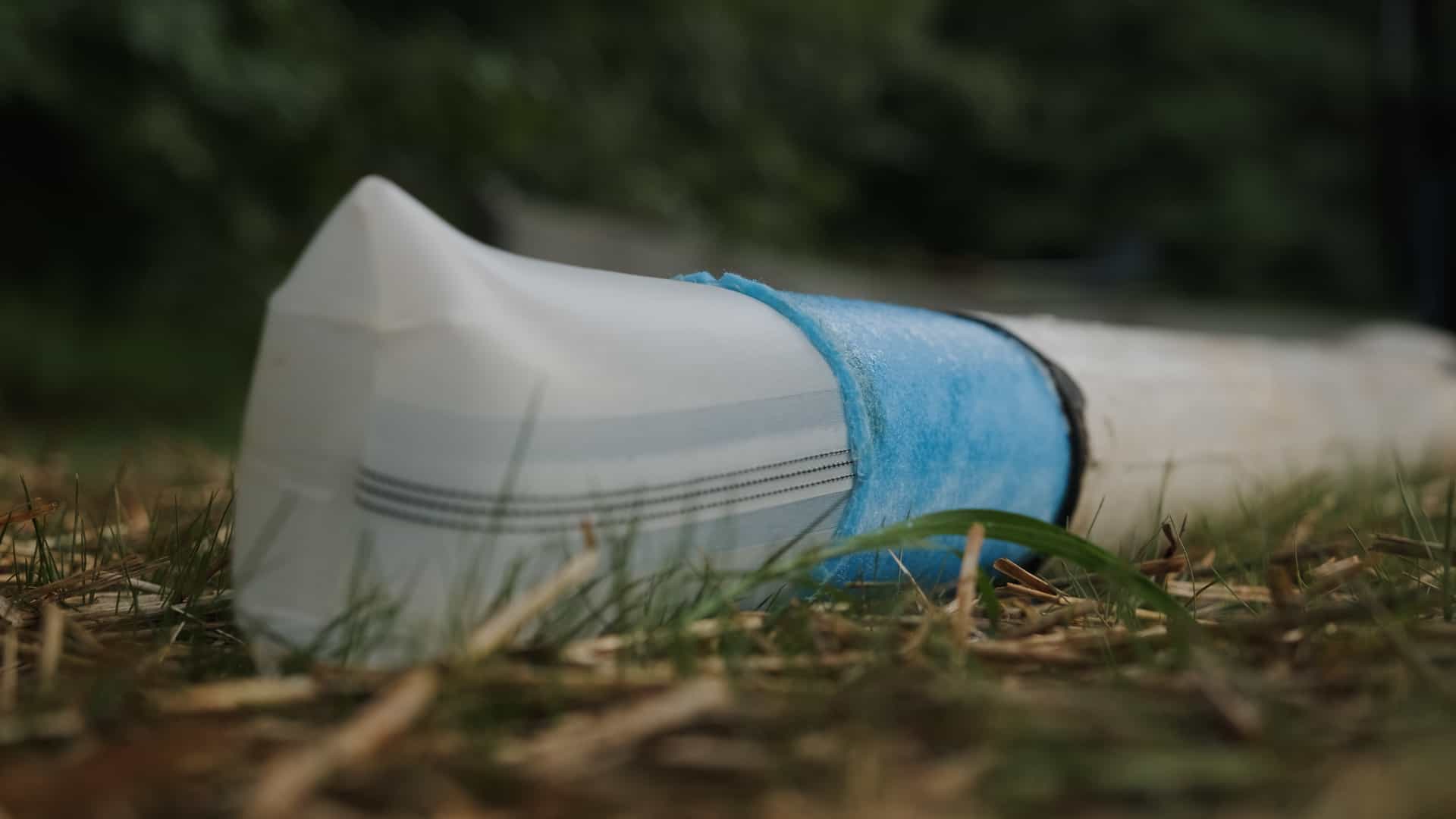
LiningWorks CIPP-lined the full storm drain system — sealing all eight identified infiltration points. Post-rehabilitation flow monitoring over the following month confirmed a 75% reduction in wet-weather flow spikes. The post-rehabilitation flow pattern showed no statistically significant relationship between rainfall events and system flow rate.
Real results. Real reviews.
Every review below is posted directly on Google by verified customers.
WHY LININGWORKS
Camera-confirmed I&I source identification and CIPP sealing.
Storm drain I&I rehabilitation requires accurate source identification and documentation — CIPP lining provides the sealing, flow monitoring provides the verification.
Wet-weather camera identifies all active infiltration sources
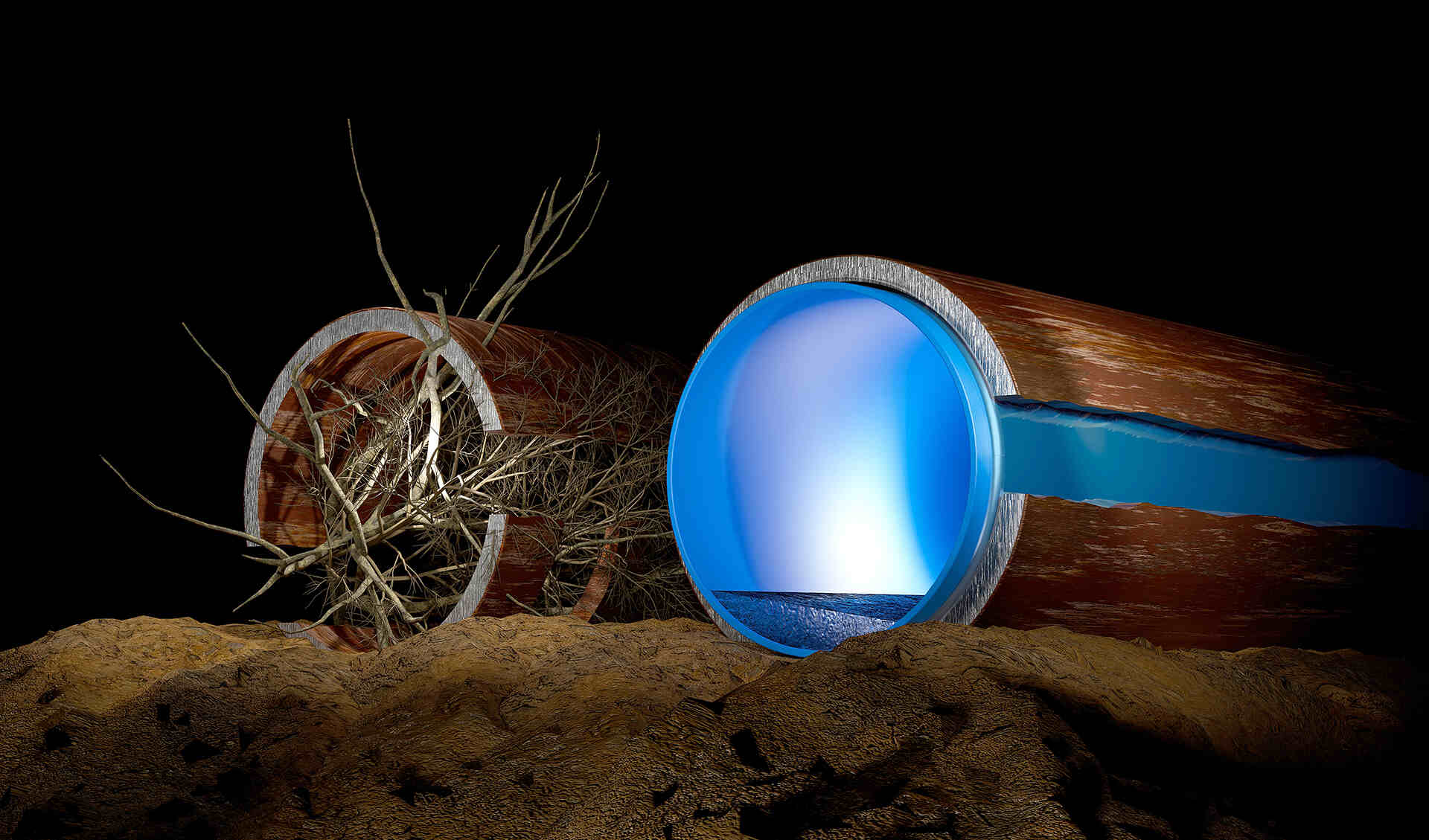
CIPP lining seals all joint and crack infiltration sources simultaneously
Pre- and post-rehabilitation flow monitoring documents I&I reduction
All rehabilitation through existing storm drain access — no excavation
HOW TO GET STARTED
Get storm drain I&I identified and resolved in three steps.
Camera identifies infiltration sources under wet conditions — CIPP seals them in a single liner run.
Call and describe the wet-weather capacity symptoms
336-477-3218, Mon–Sat 7AM–6PM. Surcharging during storms, suspected cross-connections, flow monitoring data — describe the situation and we'll schedule the right assessment approach.
Camera inspection and I&I source documentation
We scope the system under wet conditions to identify all active infiltration sources, and develop a CIPP lining scope that covers every identified infiltration point.
CIPP lining seals all infiltration sources — flow monitoring confirms
CIPP liner installation seals all identified infiltration points. Post-rehabilitation flow monitoring documents I&I reduction. Full documentation for property and compliance records.
Plain-English advice from your neighbors.
Stories, signs to watch for, and what actually works underground, straight from our crews.
Drain CleaningSlow Drains and Gurgling Sounds? Here’s What’s Going On
Let’s talk about something nobody puts on their vision board: slow drains.
Read more
Sewer RepairWhy Are There Foul Odors In My House? 7 Common Causes Explained
Let us paint you a picture. You walk into your house after a long day. You expect the comforting smell of… well… not sewage.
Read more
Sewer RepairHow Tree Roots Invade Sewer Lines and How to Stop Them
Let’s talk about something most homeowners would rather not: what’s going on under your lawn. You’ve got this quiet, shady maple out front. Maybe you’ve even named it, something cha
Read more
Trenchless RepairWhat Is Trenchless Sewer Repair? A Beginner’s Guide
If you’re reading this, chances are something’s not quite right under your feet. Maybe the drains are backing up. Maybe the yard smells like something crawled down there and gave u
Read more