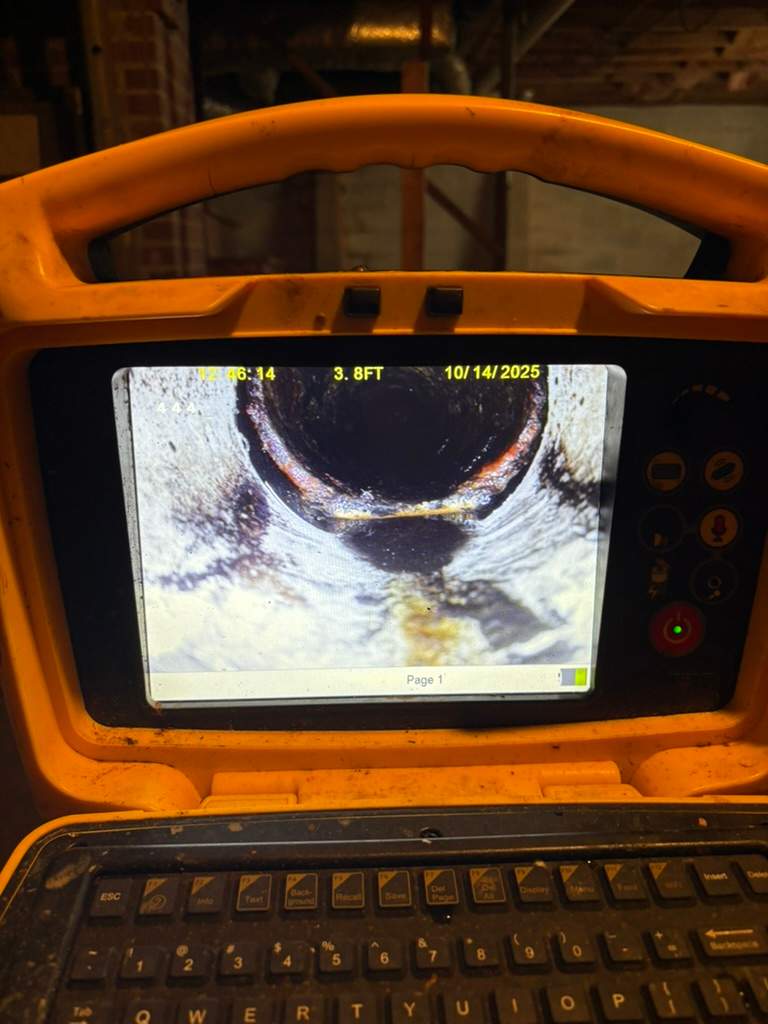
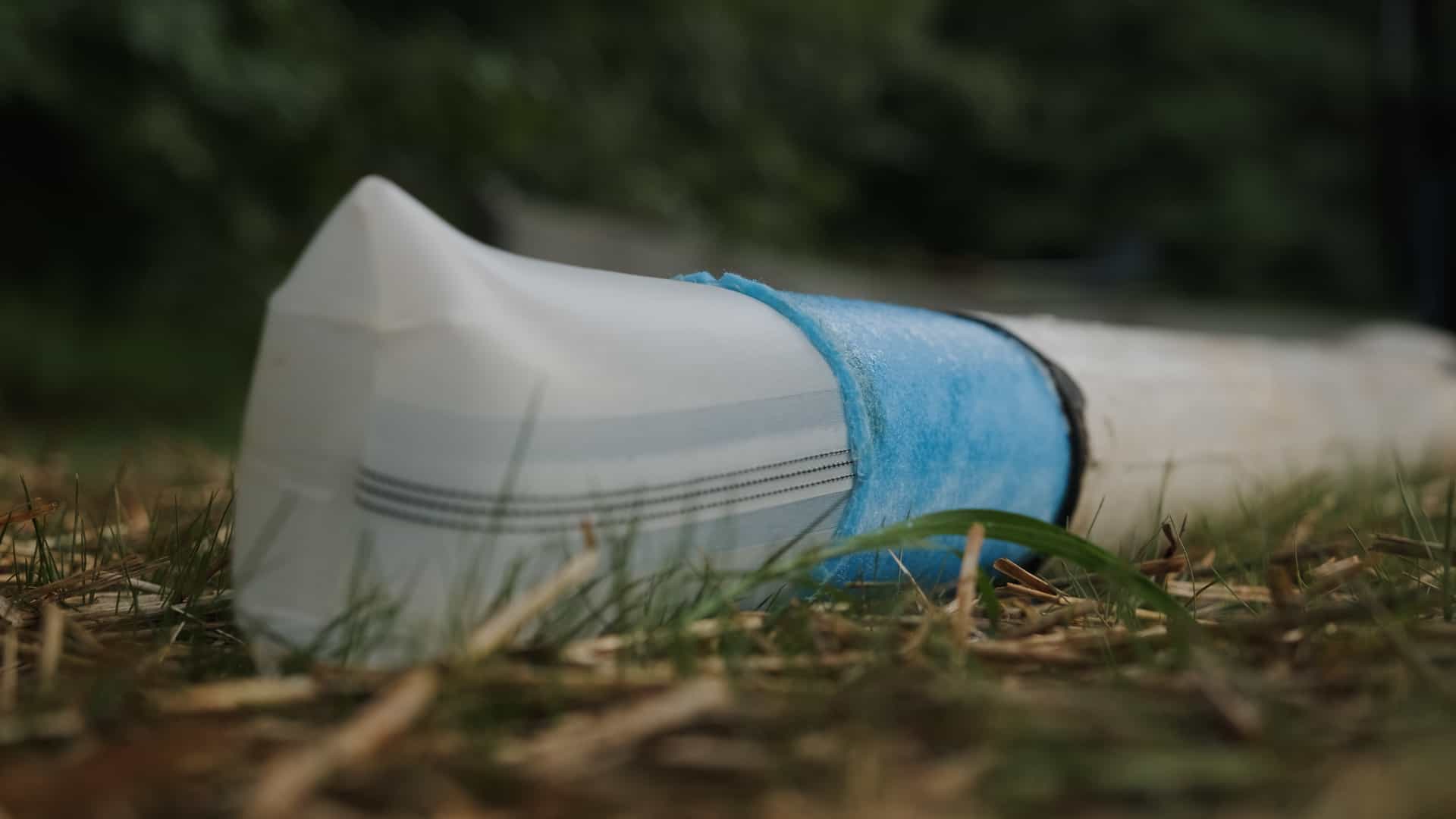
“Partial crown collapse found during routine inspection under the main entry drive. LiningWorks lined the run through manholes while the driveway stayed open. Post-installation camera showed complete restoration. Avoided what would have been an emergency excavation.”
PROBLEM SIGN · STORM DRAIN REHABILITATION
Collapsed or cracked storm drain pipes are the point where trenchless rehabilitation becomes urgent.
Partial collapse and significant cracking in storm drain pipes reduce hydraulic capacity and indicate progressive structural failure. Camera inspection confirms whether CIPP lining is still viable — or whether the pipe has passed the threshold where excavation becomes the only option.
Tell us what's going on
Free phone consultation. Flat-rate pricing. No upsells, ever.
HOW STORM DRAIN PIPES COLLAPSE
The progression from crack to collapse in storm drain pipe systems.
Storm drain pipe collapse follows a predictable progression — from initial cracking through partial collapse to complete failure. Each stage has implications for rehabilitation options.
Longitudinal crown crack from beam loading or soil movement
Partial crown collapse — pipe cross-section partially obstructed
Joint separation from differential settlement
Complete collapse — pipe cross-section fully obstructed
THE REHABILITATION WINDOW
Acting before partial collapse becomes complete collapse.
The window for trenchless rehabilitation closes as structural failure progresses. Camera inspection confirms where in the progression each section is — and whether CIPP lining is still viable.
- Partial collapse with intact pipe geometry is still CIPP-viableCIPP lining can bridge partial collapse sections — but the partial collapse must not be so severe that the liner cannot be positioned correctly during installation.
- Heavy storm events accelerate the progression from partial to complete collapseFlow surges during storm events apply hydraulic loading to partially collapsed sections — accelerating crack widening and deflection. Addressing partial collapse before storm season reduces this risk.
- Void formation above collapsed sections creates additional surface settlement riskPartial collapse at joint locations allows water to infiltrate the surrounding soil — creating voids above the collapse that add surface settlement risk to the hydraulic capacity problem.
PIPE TYPES MOST VULNERABLE
Storm drain materials most commonly affected by collapse and cracking.
Collapse and cracking are most common in aging concrete and metal pipe systems — particularly those at or past their design life under current loading conditions.
RCP systems under heavy vehicle traffic exceeding design loading
CMP culverts with advanced invert corrosion reducing structural capacity
Concrete box culverts with longitudinal beam cracks
Clay pipe in deep installations with high groundwater
BEFORE & AFTER
Commercial property — partial crown collapse in 18-inch RCP rehabilitated before complete failure.
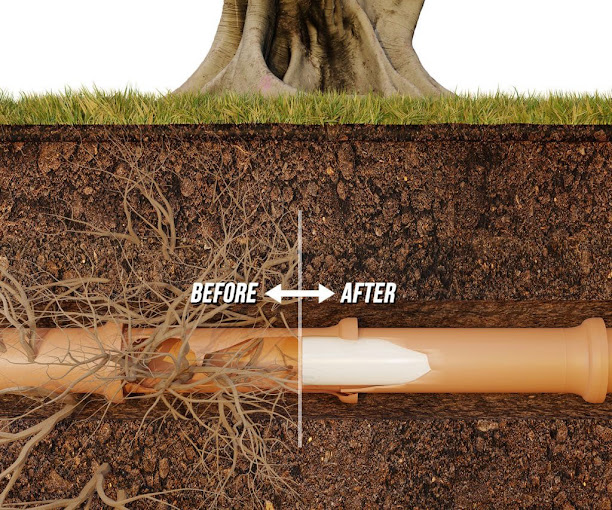
A Greensboro commercial property's routine maintenance camera inspection found a partial crown collapse in an 18-inch RCP storm drain main under the main entry drive — approximately 35% of the pipe cross-section was obstructed by the deflected crown section. The pipe was still flowing but was identified as a near-term failure risk.
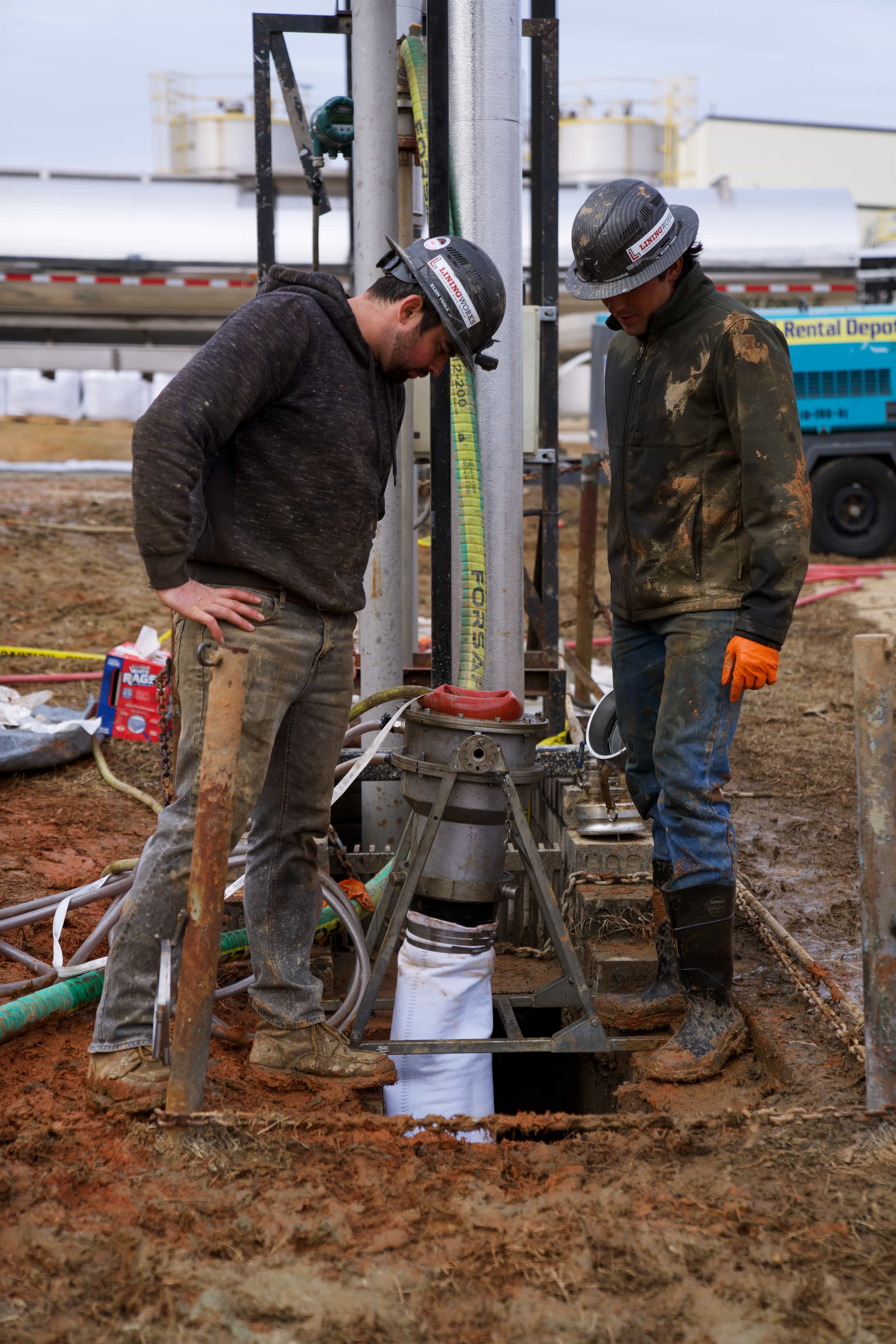
LiningWorks installed a structural CIPP liner through the full affected run, bridging the partial collapse section. Post-installation camera confirmed full liner bond and restoration of the near-full pipe cross-section. The entry drive was not closed during installation.
Real results. Real reviews.
Every review below is posted directly on Google by verified customers.
WHY LININGWORKS
Camera-confirmed structural rehabilitation for storm drain collapse.
Storm drain collapse rehabilitation requires camera confirmation that the trenchless window is still open — and structural liner specification that accounts for the collapse condition.
Camera confirms CIPP viability before structural liner specification
Structural CIPP liners bridge collapse sections and restore pipe cross-section
No road or pavement excavation during structural rehabilitation
Pre- and post-rehabilitation camera documentation
HOW TO GET STARTED
Get storm drain collapse addressed in three steps.
Camera confirms the trenchless window is still open — act before partial collapse becomes complete failure.
Call and describe what you've observed
336-477-3218, Mon–Sat 7AM–6PM. Surface depressions, capacity loss during storms, known pipe age and material — describe the symptoms and we'll assess urgency and schedule promptly.
Camera assessment confirms structural condition and CIPP viability
We scope the affected system to assess collapse degree, confirm whether trenchless rehabilitation is still viable, and develop a structural liner specification.
Structural CIPP lining before the window closes
Structural liner installed through existing access points — no excavation. Post-installation camera verifies full rehabilitation. Documentation package for property records.
Plain-English advice from your neighbors.
Stories, signs to watch for, and what actually works underground, straight from our crews.
Drain CleaningSlow Drains and Gurgling Sounds? Here’s What’s Going On
Let’s talk about something nobody puts on their vision board: slow drains.
Read more
Sewer RepairWhy Are There Foul Odors In My House? 7 Common Causes Explained
Let us paint you a picture. You walk into your house after a long day. You expect the comforting smell of… well… not sewage.
Read more
Sewer RepairHow Tree Roots Invade Sewer Lines and How to Stop Them
Let’s talk about something most homeowners would rather not: what’s going on under your lawn. You’ve got this quiet, shady maple out front. Maybe you’ve even named it, something cha
Read more
Trenchless RepairWhat Is Trenchless Sewer Repair? A Beginner’s Guide
If you’re reading this, chances are something’s not quite right under your feet. Maybe the drains are backing up. Maybe the yard smells like something crawled down there and gave u
Read more