“We'd been managing wet-weather surcharging for years. LiningWorks scoped the whole system, lined the bad segments, and our flow monitoring showed an 82% reduction in infiltration. No backup events in the 18 months since installation.”
PROBLEM SIGN · COMMERCIAL TRENCHLESS REPAIR
Inflow and infiltration entering your commercial pipe system costs money every day.
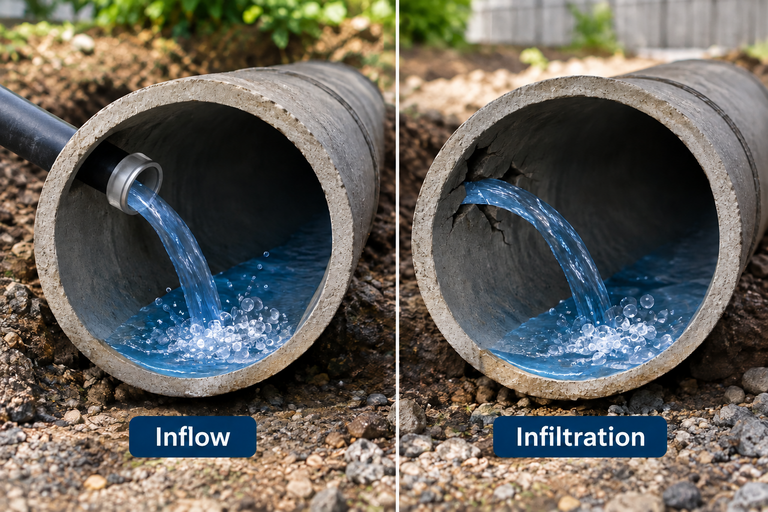
Stormwater and groundwater that enter commercial sanitary sewer and process piping through cracked joints, failed seals, and deteriorated manholes add volume to systems designed for wastewater only — increasing treatment costs, overwhelming pump capacity, and causing compliance problems during wet weather events.
Tell us what's going on
Free phone consultation. Flat-rate pricing. No upsells, ever.
WHAT CAUSES I&I
How stormwater and groundwater enter commercial pipe systems.
Inflow and infiltration enter commercial pipe systems through specific structural failure points — most of which are identifiable and addressable through trenchless rehabilitation.
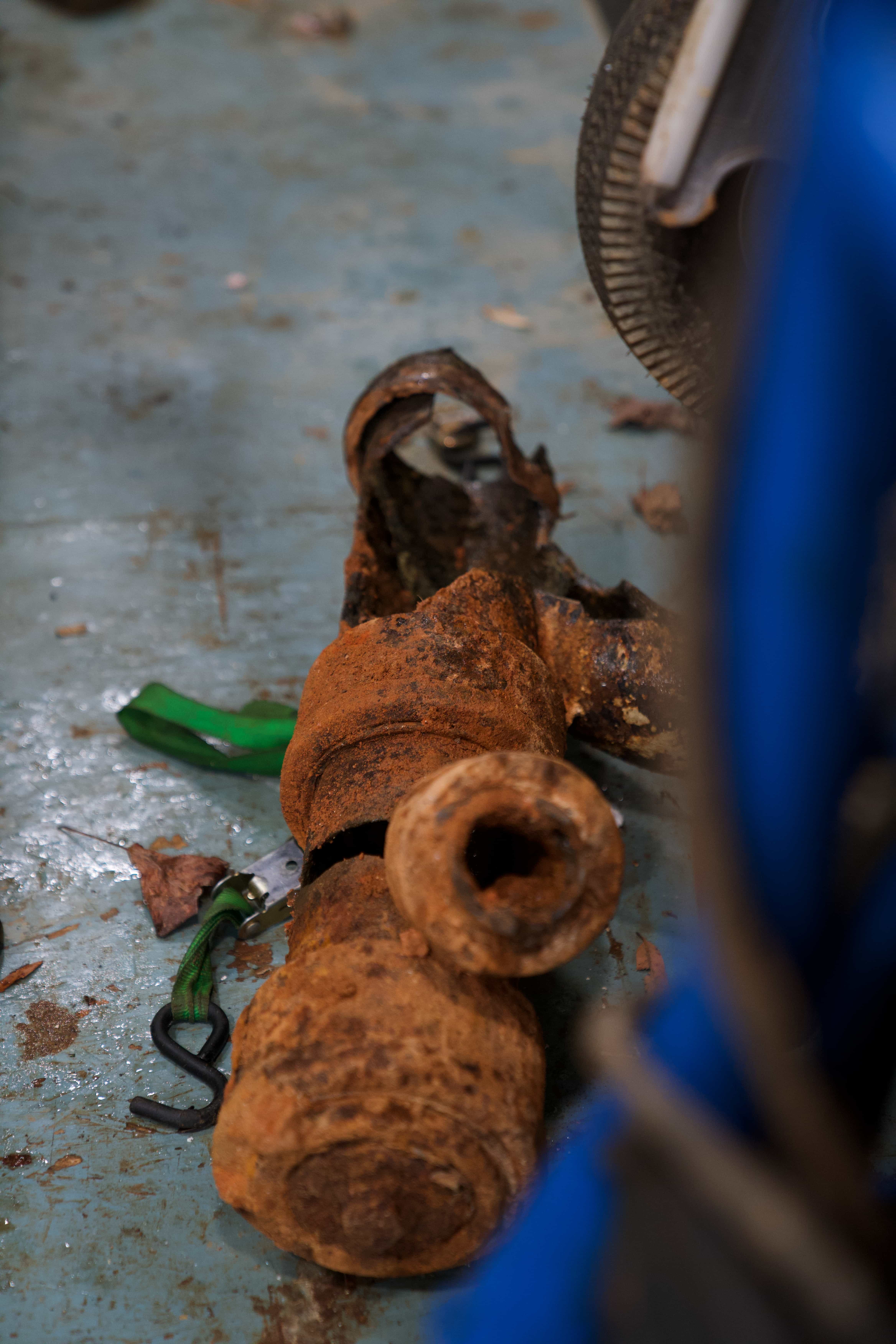
Cracked pipe wall sections allowing groundwater infiltration
Failed or deteriorated joint seals
Deteriorated manhole base seals and cone sections
Illegal storm drain connections to sanitary systems
IDENTIFYING THE SOURCE
How LiningWorks locates infiltration sources in commercial systems.
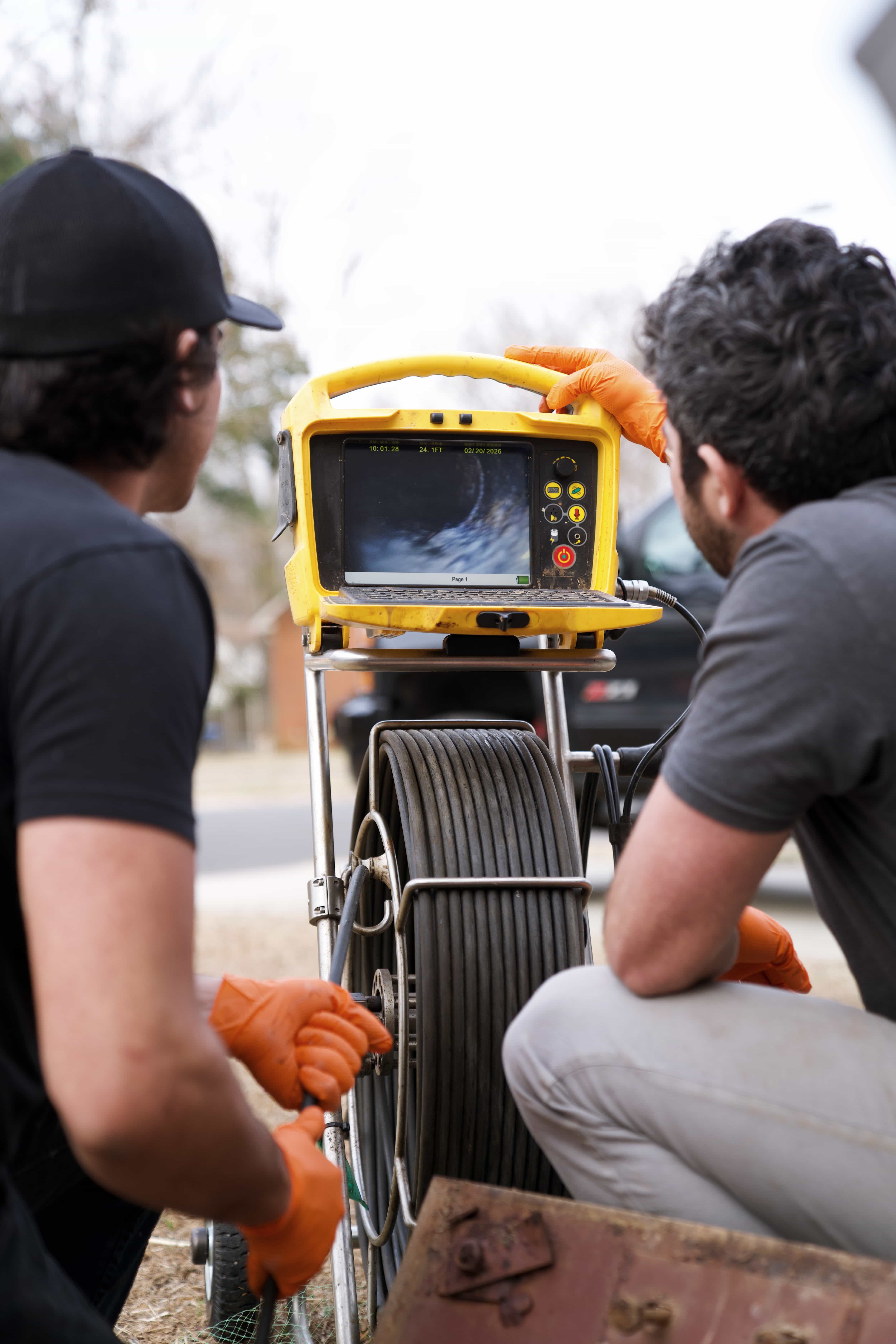
Inflow and infiltration assessment uses CCTV camera inspection under wet conditions to identify the precise locations where water is entering the system.
- Wet-weather camera inspection catches active infiltrationCamera inspection during or immediately after rain events identifies active water entry points — joints, cracks, and manhole connections where water is visibly entering the system under field conditions.
- Flow monitoring quantifies infiltration volume over reporting periodsPre- and post-rehabilitation flow monitoring documents the volume reduction achieved by trenchless rehabilitation — providing documentation for regulatory reporting and system capacity planning.
- CCTV footage documents conditions for utility and property recordsPre-rehabilitation camera documentation provides an objective record of pipe conditions and infiltration locations — useful for compliance reporting and rehabilitation scope justification.
SYSTEMS MOST AFFECTED
Commercial pipe systems most commonly affected by inflow and infiltration.
Inflow and infiltration problems are most severe in older commercial systems where joint seals have aged past their design life and manhole infrastructure has deteriorated.
Pre-1990 sanitary sewer mains with ungrouted bell-and-spigot joints
High groundwater table properties — basement and below-grade systems
Systems near natural drainage areas with seasonal water table changes
Urban commercial properties with aging manhole infrastructure
BEFORE & AFTER
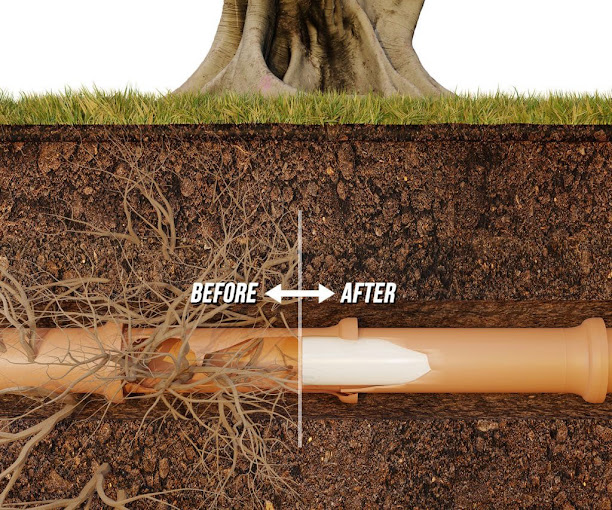
Office park sanitary sewer — infiltration volume reduced 82% with CIPP lining.
A Greensboro office park with a private sanitary sewer collection system was experiencing wet-weather surcharging during rain events — causing backup risk at the lowest-elevation building. Flow monitoring over 30 days confirmed infiltration volumes were running 3.2x the dry-weather baseline during and after significant rain events.
Camera inspection identified joint failure across approximately 60% of the collection system's pipe length. LiningWorks installed CIPP liners through all identified defect segments in a single mobilization. Post-rehabilitation flow monitoring over the following 30 days confirmed an 82% reduction in wet-weather infiltration volume.
Real results. Real reviews.
Every review below is posted directly on Google by verified customers.
WHY LININGWORKS
How LiningWorks addresses commercial inflow and infiltration.
Inflow and infiltration rehabilitation requires accurate source identification before rehabilitation scope development. LiningWorks camera-first approach ensures the rehabilitation addresses the actual infiltration sources.
Camera inspection under wet conditions identifies active entry points
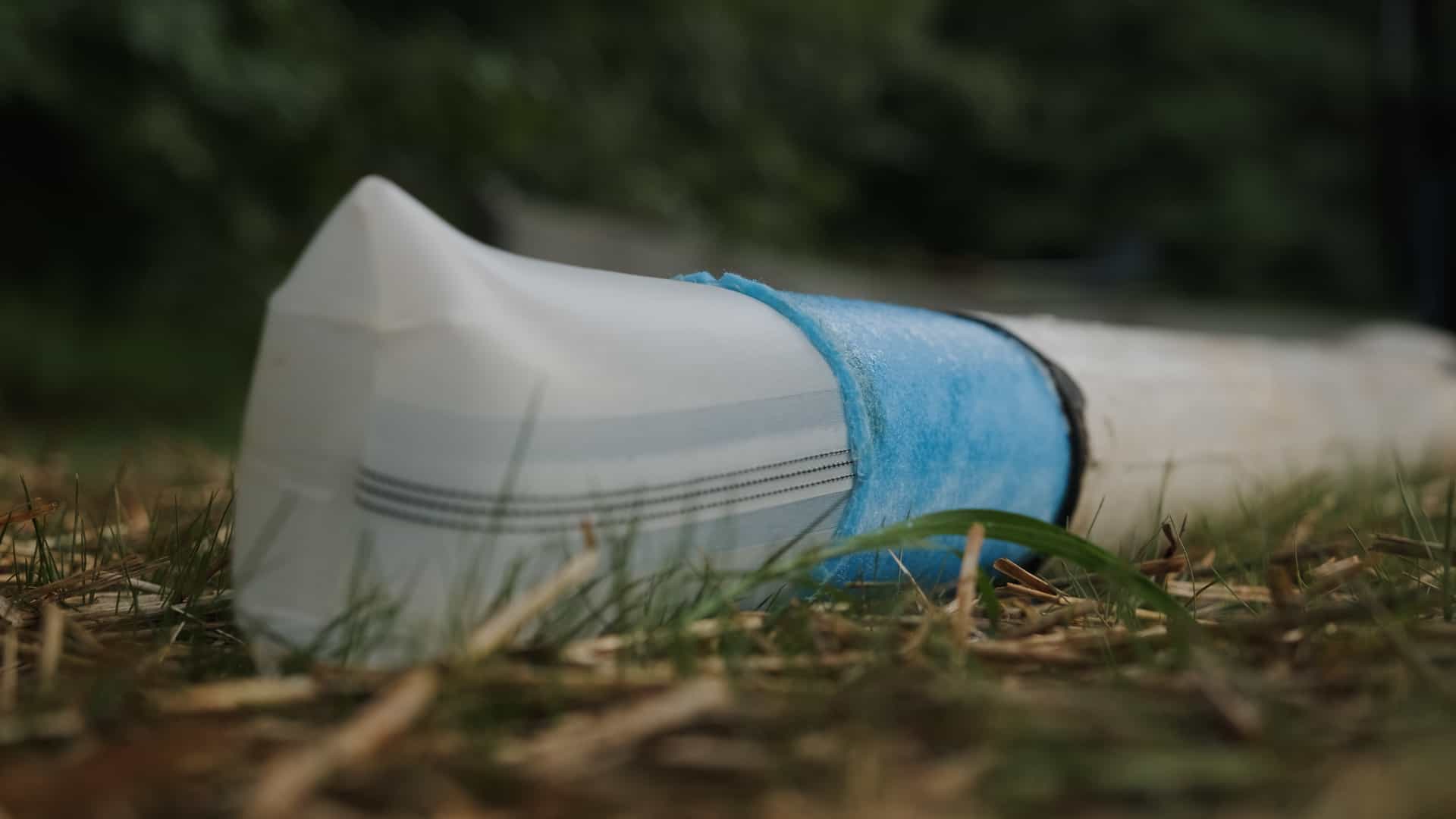
CIPP lining seals all joint and crack infiltration sources
Pre- and post-rehabilitation flow monitoring documentation
No excavation — rehabilitation through existing manholes and cleanouts
HOW TO GET STARTED
Start commercial I&I rehabilitation in three steps.
Camera inspection first — we identify and document all infiltration sources before developing the rehabilitation scope.
Call and describe the I&I symptoms
336-477-3218, Mon–Sat 7AM–6PM. Wet-weather surcharging, elevated flow volumes, backup events during rain — describe what the system is doing and when, and we'll schedule the right assessment approach.
Camera inspection and infiltration source documentation
We scope the system under wet-weather conditions to identify active infiltration sources, develop a prioritized rehabilitation scope, and establish a pre-rehabilitation flow monitoring baseline.
CIPP lining with post-rehabilitation flow monitoring verification
CIPP lining seals all identified infiltration sources in a single mobilization. Post-rehabilitation flow monitoring confirms volume reduction and provides documentation for property records.
Plain-English advice from your neighbors.
Stories, signs to watch for, and what actually works underground, straight from our crews.
Drain CleaningSlow Drains and Gurgling Sounds? Here’s What’s Going On
Let’s talk about something nobody puts on their vision board: slow drains.
Read more
Sewer RepairWhy Are There Foul Odors In My House? 7 Common Causes Explained
Let us paint you a picture. You walk into your house after a long day. You expect the comforting smell of… well… not sewage.
Read more
Sewer RepairHow Tree Roots Invade Sewer Lines and How to Stop Them
Let’s talk about something most homeowners would rather not: what’s going on under your lawn. You’ve got this quiet, shady maple out front. Maybe you’ve even named it, something cha
Read more
Trenchless RepairWhat Is Trenchless Sewer Repair? A Beginner’s Guide
If you’re reading this, chances are something’s not quite right under your feet. Maybe the drains are backing up. Maybe the yard smells like something crawled down there and gave u
Read more