
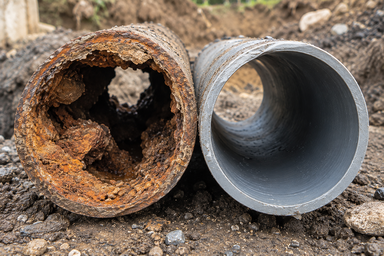
If your sink or tub is taking longer than it should to drain, you’re dealing with one of the most common plumbing complaints homeowners face: slow drains.
A single slow drain is usually just everyday buildup, like soap, hair, or grease. But when several drains slow down at once, or you hear gurgling every time water runs somewhere else in the house, that usually points to a bigger problem in your sewer line.
Left alone, a sewer line problem tends to get worse and can eventually lead to a full backup. The good news is that most causes are easy to identify once you know what to look for.
Here are the 7 common causes of slow drains, what each one means, and when it’s time to stop pouring chemicals down the sink and get a professional look at what’s really going on.
1. Everyday Buildup (The Slow, Sneaky Kind)
Let’s start with the obvious.
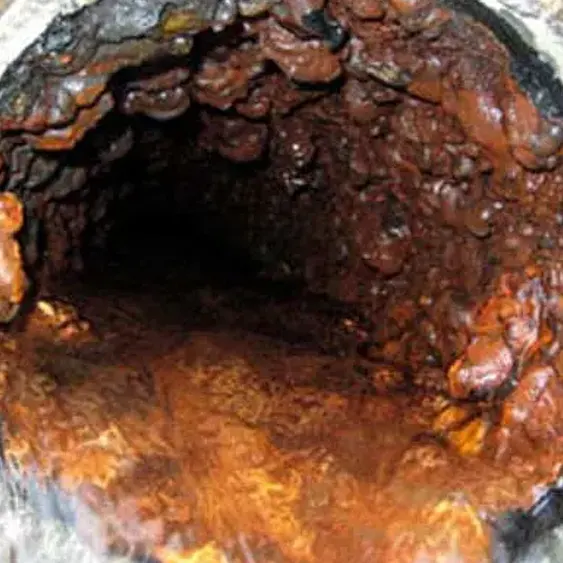
Soap. Grease. Hair. Toothpaste. Food scraps. Over time, all of it sticks to the inside of your pipes. Not all at once. It happens little by little, like cholesterol for plumbing.
This kind of buildup is the most common reason for slow drains, especially in:
- Bathroom sinks
- Showers and tubs
- Kitchen sinks
At first, the drain just takes longer. Then it needs “help.” Then it stops altogether.
Drain cleaning can usually take care of this, if it’s caught early.
But if you’re cleaning the same drain over and over again, keep reading.
2. Partial Sewer Line Clogs (The Bigger Problem Below)
When multiple drains are slow at the same time, that’s not a coincidence.
That’s usually a sewer line clog starting to form.
Instead of one pipe being blocked, the main line that carries wastewater away from your home is restricted. Water still moves, but slowly. Like traffic during construction.
Common signs include:
- Slow drains throughout the house
- Toilets that flush sluggishly
- Gurgling drains when water is used elsewhere
This is where basic drain cleaning starts to fall short. You’re no longer dealing with a surface problem. You’re dealing with the main artery.
3. Gurgling Drains (Your Pipes Are Talking)
If your drains make noise, listen.
Gurgling drains usually mean air is trapped in the plumbing system because water can’t flow freely. That trapped air has to go somewhere, so it bubbles up through sinks, tubs, or toilets.
This often points to:
- A growing sewer line clog
- Improper venting
- Early-stage sewer backup risk
Ignore the sound long enough, and it stops being a noise problem and becomes a cleanup problem.
4. Tree Roots in the Sewer Line
Out of sight, out of mind, until it isn’t.
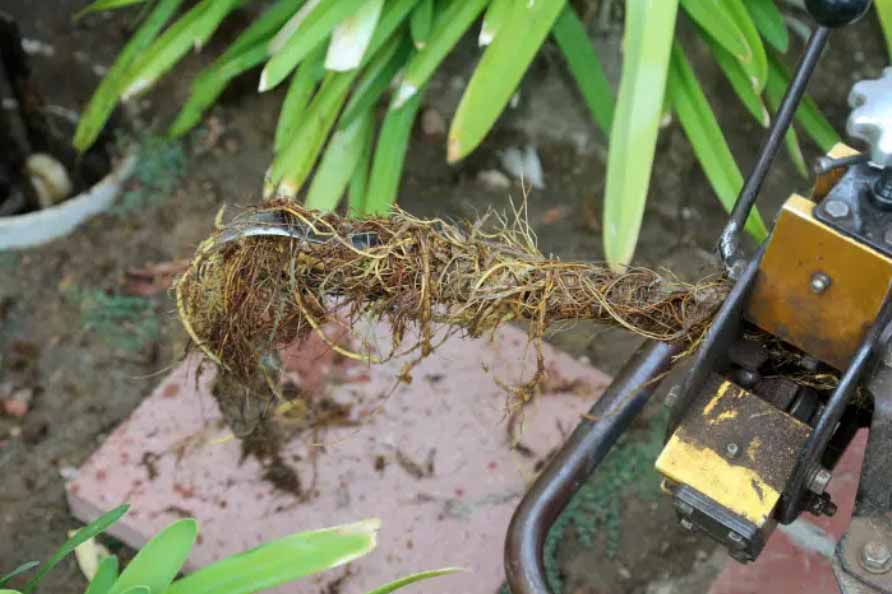
Tree roots are one of the most common causes of recurring clogs, especially in older homes. Roots are drawn to moisture. Sewer lines carry water. You do the math.
Once roots find even a small crack or joint in the pipe, they grow inside it. Slowly at first. Then aggressively.
The result?
- Slow drains that keep coming back
- Gurgling sounds
- Frequent need for sewer line snaking
Until the roots are properly addressed, the problem never really goes away.
5. Bellies, Breaks, and Old Pipes
Not all slow drains are caused by what’s inside the pipe. Sometimes the pipe itself is the problem.
Older sewer lines can develop:
- Bellies (low spots where water collects)
- Collapsed sections
- Cracked or offset joints
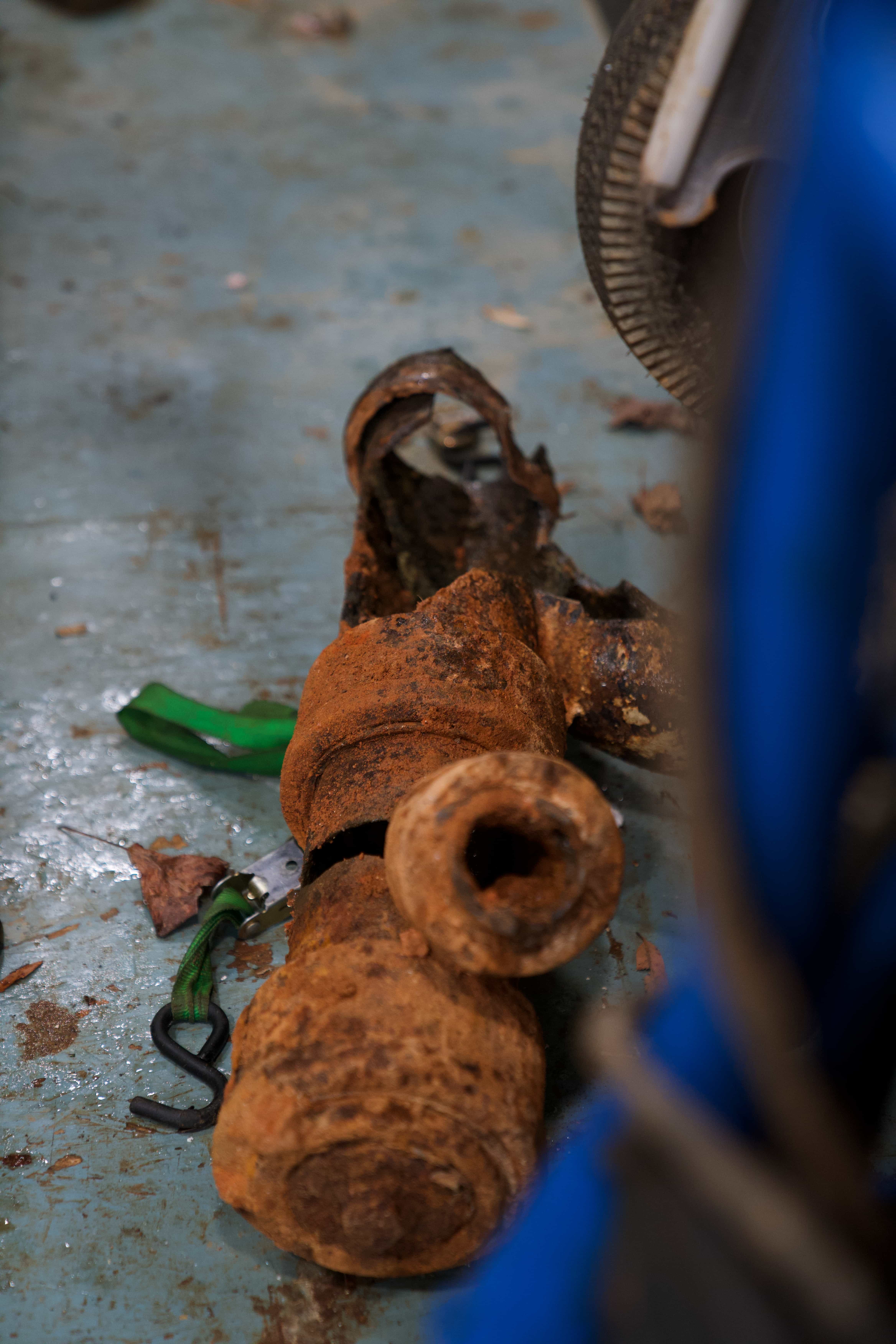
When water hits these areas, it slows down, or stops altogether. Debris collects. Blockages form. And no amount of store-bought drain cleaner is going to fix that.
This is where a sewer camera inspection becomes essential. You can’t fix what you can’t see.
6. Temporary Fixes That Don’t Fix Anything
Let’s talk about sewer line snaking and why it sometimes feels like déjà vu.
Snaking can be effective for clearing a blockage. It punches a hole through the clog so water can move again.
But it doesn’t clean the pipe walls. It doesn’t repair damage. And it doesn’t stop roots from growing back.
That’s why homeowners often experience:
- Slow drains returning weeks or months later
- The same drain clogging repeatedly
- Increasing frequency of service calls
Snaking is a tool, not a cure.
7. When Hydro Jetting Is the Right Answer
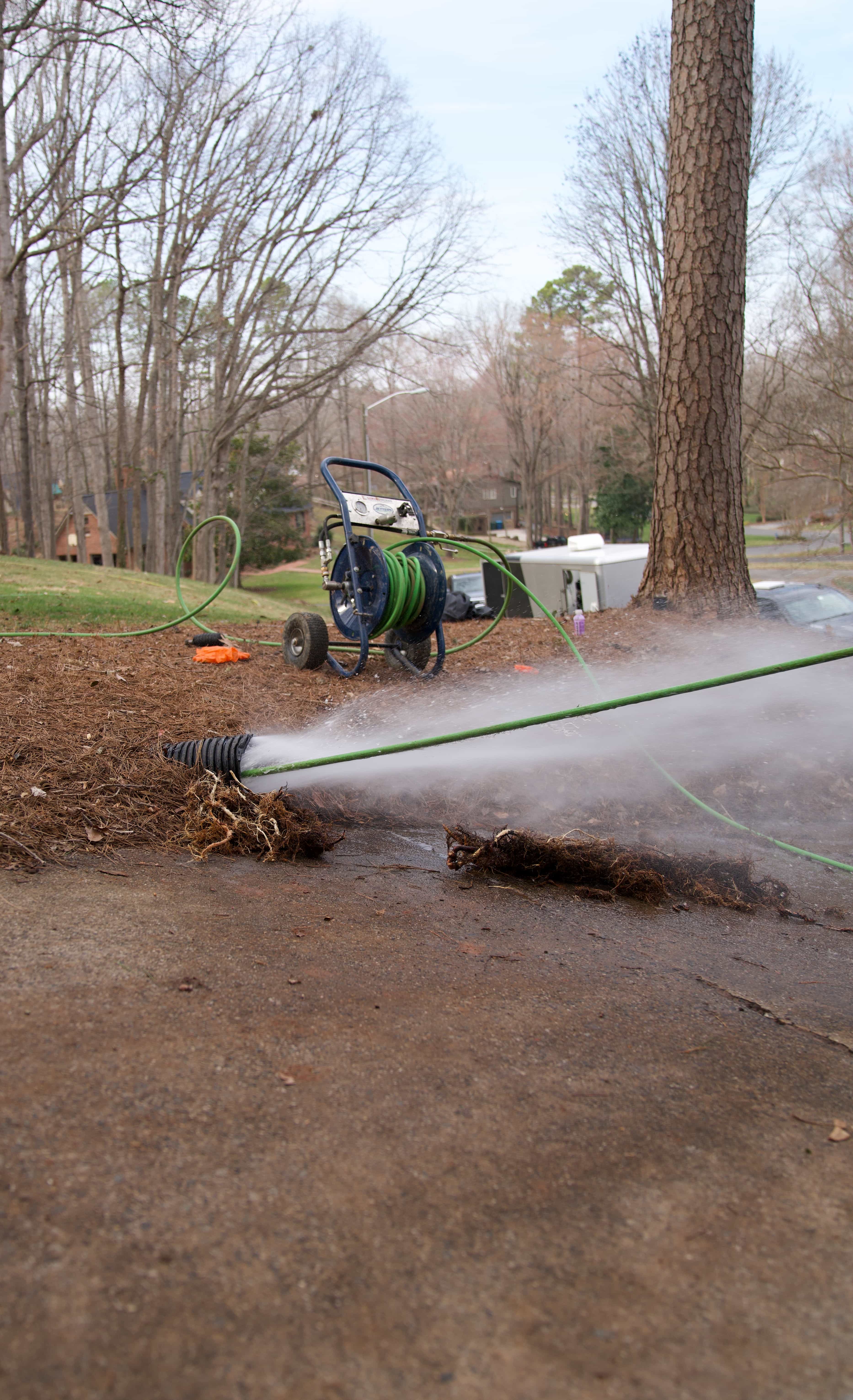
For tougher buildup, grease, and root intrusion, hydro jetting is often the next step.
This process uses high-pressure water to scrub the inside of your pipes clean, front to back. Not just a hole through the clog, but a full reset.
Hydro jetting is especially effective for:
- Heavy grease buildup
- Sludge and debris
- Roots after cutting
But here’s the honest truth: hydro jetting cleans pipes. It doesn’t repair damaged ones.
If cracks or structural issues exist, slow drains can still return unless sewer line repair is addressed.
Why Slow Drains Should Never Be Ignored
A slow drain isn’t just an inconvenience. It’s a warning sign.
Left untreated, slow drains can lead to:
- Full sewer backups
- Water damage
- Health hazards
- Emergency repairs
Sewer backup prevention starts with paying attention to the early signs, and acting before gravity wins.
The Smart Way to Solve Slow Drains for Good
Here’s what actually works:
- Professional drain cleaning for surface buildup
- Sewer camera inspection to identify deeper issues
- Targeted solutions like trenchless sewer line repair
- Long-term fixes, not repeat band-aids
That’s how you go from “Why is this happening again?” to “Finally, problem solved.”
Final Thought
Slow drains don’t happen overnight. They build up quietly. Patiently. Waiting for the moment when ignoring them becomes impossible.
If your drains are slow, noisy, or constantly clogging, your plumbing is trying to tell you something.
The question is whether you’re listening.
LiningWorks helps homeowners get answers, not guesses, using proven tools like sewer camera inspections, professional drain cleaning, and long-term sewer solutions.
Schedule an inspection today and find out what’s really slowing your drains down, before they stop altogether.