
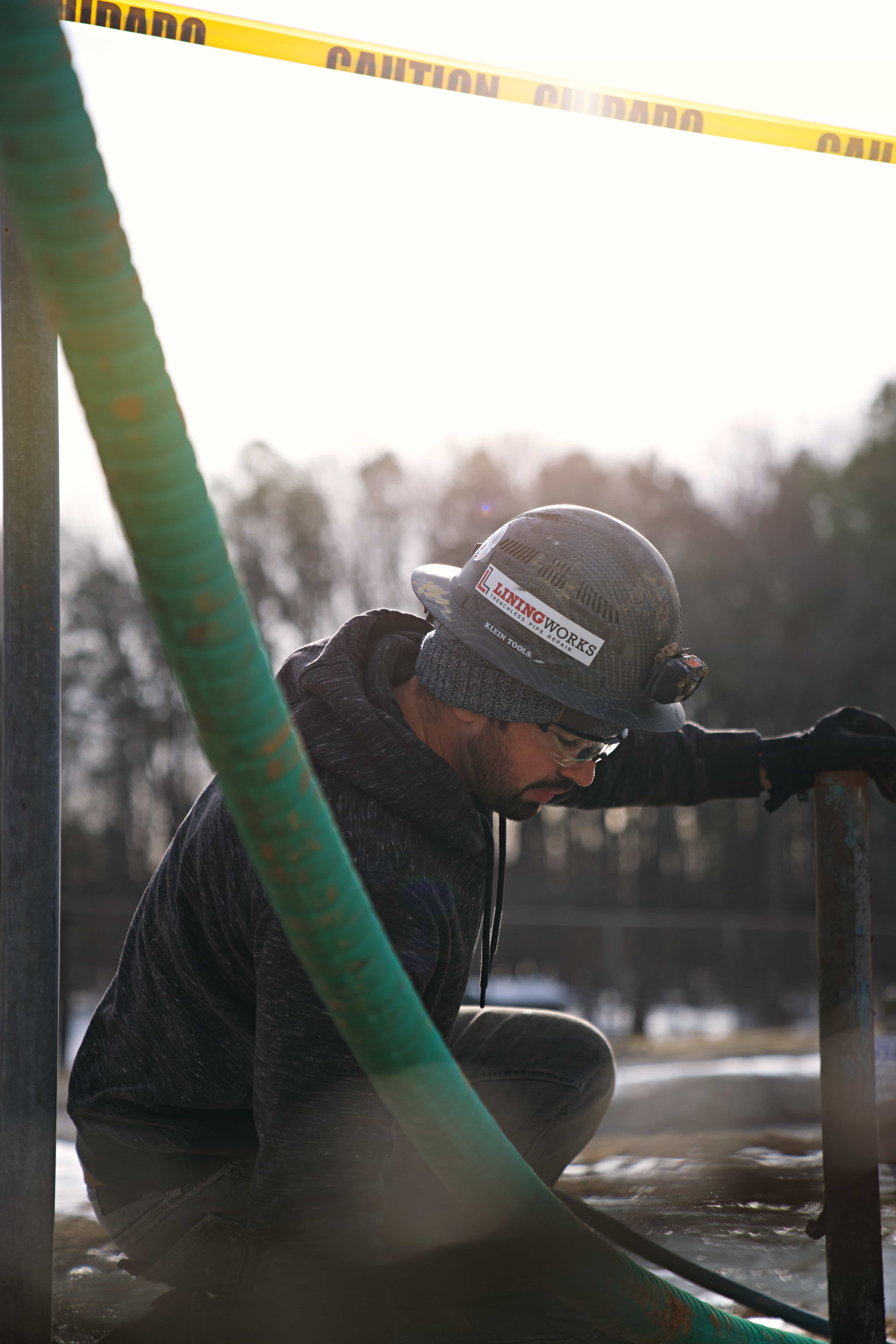
Trenchless pipe bursting is a method used to replace a badly damaged sewer pipe without digging up your whole yard. If your drains keep backing up, or a camera inspection has already found a section of pipe that's collapsed, badly cracked, or full of roots, you may have heard the term come up as an option worth understanding.
Pipe bursting is one of the methods homeowners run into when they start researching trenchless sewer repair. It breaks apart the old pipe underground and pulls a new pipe through the same path, using a small access pit dug at each end instead of one long trench. That's different from pipe lining, also called cured-in-place pipe (CIPP), which installs a new liner inside the old pipe and leaves the original pipe in place.
This guide walks through how trenchless pipe bursting works, what it's used for, and how it stacks up against pipe lining, so you understand the full trenchless picture before deciding what's right for your line.
What Is Trenchless Pipe Bursting?
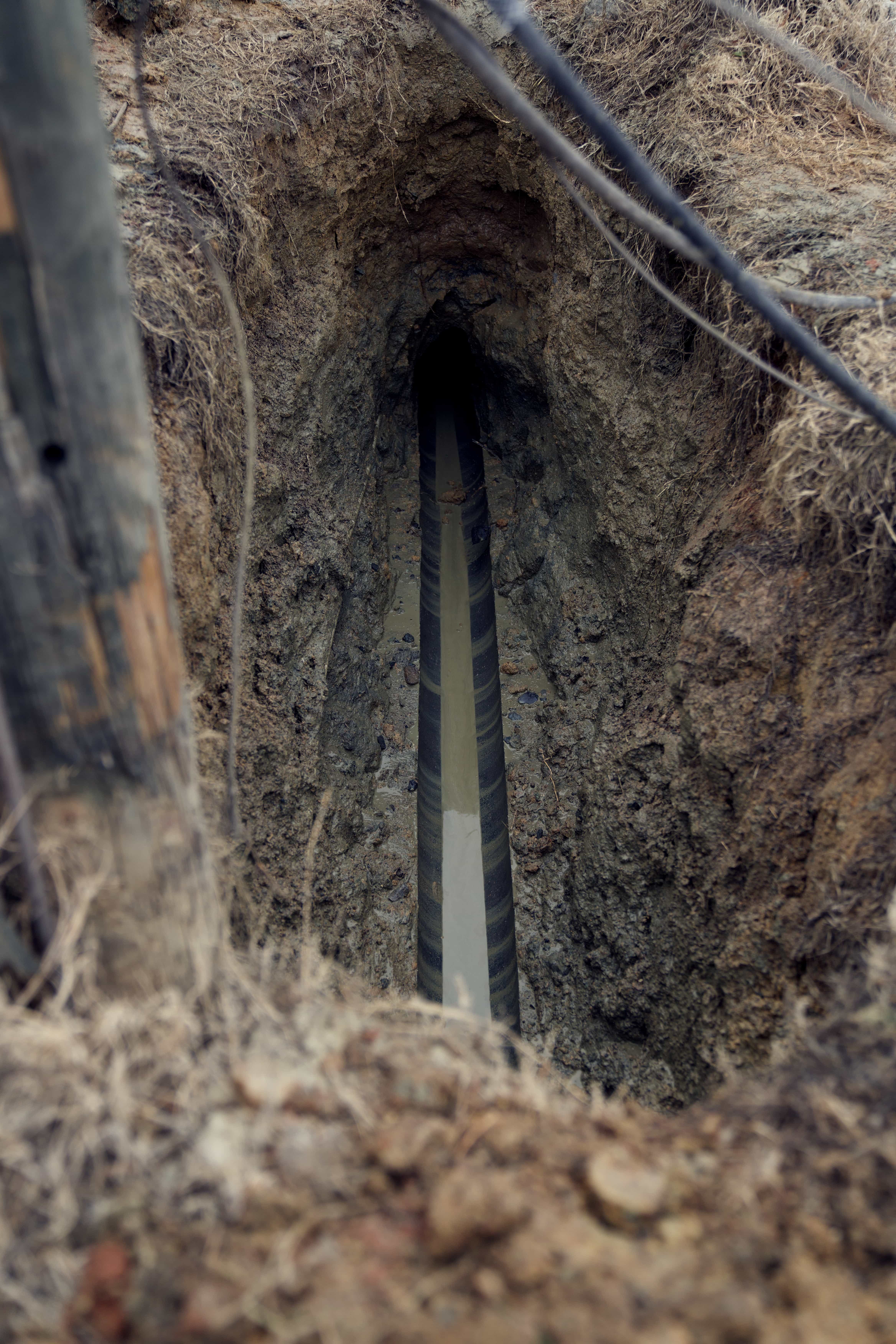
Trenchless pipe bursting is a method of replacing an old or damaged underground pipe without digging up your entire yard. Instead of using a backhoe and making a muddy mess, this method breaks apart the existing pipe while pulling a brand-new, high-strength replacement pipe through the same path.
Think of it like pulling a new shoelace through an old shoe. Only the old lace shatters behind it as the new one slides in.
How the Pipe Bursting Method Works
Now, you might be wondering, “Okay, but how do you break a pipe underground and replace it without digging?” Good question.
Here’s how trenchless pipe bursting works, step by step:
- Access Points Are Dug – Only two small holes are needed: one at the entry point and one at the exit.
- The Bursting Head Is Inserted – A special tool called a “bursting head” is fed into the old pipe.
- Old Pipe Gets Broken – As the bursting head moves forward, it breaks apart the existing pipe.
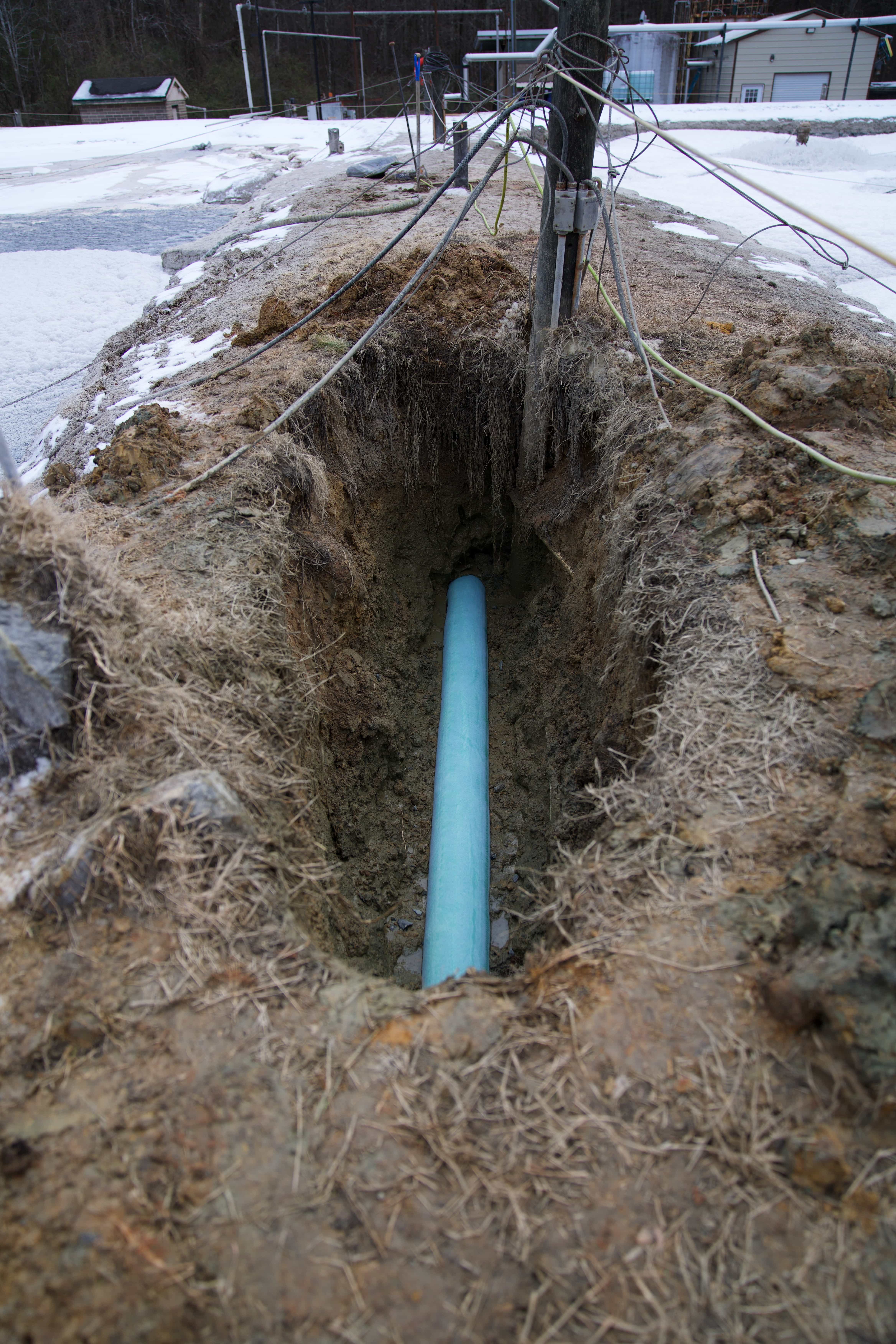
- New Pipe Is Pulled Through – Attached right behind the bursting head is a new HDPE pipe (a tough, flexible plastic), which slides in as the old pipe is forced out.
- Everything Is Reconnected – Once in place, the new pipe is connected to your home’s system and the municipal sewer.
Boom. You’ve just replaced your sewer line without a trench.
The Benefits of Trenchless Replacement
So why would a homeowner choose this method over old-school digging? Simple: it’s smarter, faster, and far less disruptive.
Here’s what makes trenchless sewer pipe bursting such a game-changer:
Minimal Yard Damage
Your lawn, driveway, landscaping (even your beloved petunias) stay mostly untouched.
Faster Turnaround
Most jobs are completed in one to two days.
Long-Lasting Materials
The new HDPE pipe is resistant to corrosion, tree roots, and shifting soil. Translation: it lasts.
Cost-Effective Over Time
While the upfront pipe bursting cost may be similar to traditional replacement, you save big on landscaping repairs, driveway rebuilds, and other hidden costs.
Eco-Friendly
Less machinery. Less waste. Less mess. It’s trenchless and sensible.
Is Trenchless Pipe Bursting Right for Your Home?
It depends on a few factors. This method is ideal if:
- Your existing pipe is collapsed (in some cases), cracked, or invaded by roots
- You have minimal access but want to avoid tearing up concrete or structures
- You’re dealing with an old clay or cast iron sewer line
- You want a permanent solution, not just another patch job
On the other hand, trenchless might not be an option if the existing pipe has severe bellies (sags), or runs through areas where digging two access holes just isn’t feasible.
That’s why it’s always smart to schedule a camera inspection first: to know what you’re really dealing with underground.
Pipe Bursting vs. Pipe Lining
Homeowners often ask: “Should I go with pipe bursting or pipe lining?”
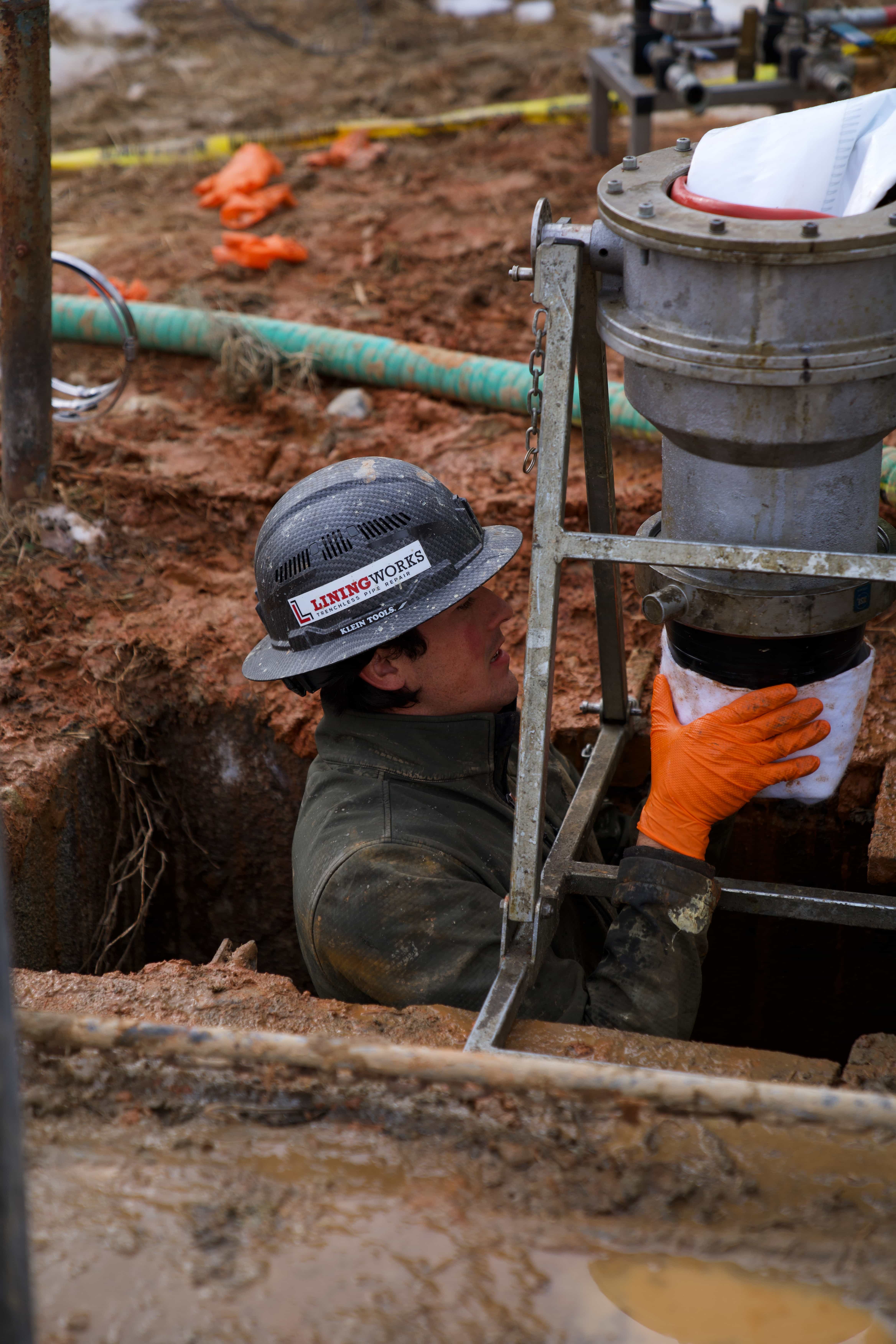
Good question. Both are trenchless methods, but they work differently.
- Pipe Lining (a.k.a. CIPP or cured-in-place pipe) creates a new pipe inside your old one using epoxy resin.
- Pipe Bursting destroys the old pipe completely and replaces it with a brand-new pipe.
Here’s a quick cheat sheet:
| Feature | Pipe Lining | Pipe Bursting |
| Removes old pipe? | No | Yes |
| Works with collapsed pipes? | No | Sometimes |
| Best for small cracks? | Yes | Better for full replacement |
| New pipe material | Epoxy liner | HDPE pipe (new, stronger pipe) |
Bottom line: if your pipe is too far gone, bursting is often the better choice.
What Does Pipe Bursting Cost?
Let’s be real: replacing a sewer line isn’t cheap. But neither is water damage, backed-up toilets, or a torn-up yard.
On average, trenchless pipe bursting costs depend on factors like:
- Pipe length and depth
- Soil conditions
- Access to entry/exit points
- Type of existing pipe
- Local permitting or inspection fees
So yeah, it varies. But the real savings come in what you don’t have to fix afterward, like replanting sod, rebuilding your porch, or repaving the driveway.
At LiningWorks, we always provide clear, up-front pricing, so there are no surprises.
Real Talk: The Pros and Cons
Pros:
- No trench required
- Durable, root-resistant HDPE pipe
- Can work even on collapsed or severely damaged pipes
- Minimal disruption to landscaping, patios, or driveways
- Long lifespan (50+ years)
Cons:
- Not ideal if access pits can’t be created
- Slightly higher upfront cost than spot repairs
- Not suitable for pipes with sharp bends or blockages that can’t be cleared
But for most homeowners dealing with failing sewer lines, the pros far outweigh the cons.
Final Thoughts: What Every Homeowner Should Know
Let’s face it: nobody wants to think about their sewer line until it’s already a problem. But when you’re faced with recurring clogs, soggy spots in the yard, or that dreaded sewage smell, it’s time to act fast.
Trenchless pipe bursting gives you a clean, efficient, and long-lasting fix without tearing your property apart.
So here’s your next step:
Ready to Replace Your Sewer Line Without Digging?
At LiningWorks, we specialize in trenchless technology that protects your home, your yard, and your wallet. Our expert team will diagnose the issue, walk you through the options, and provide a no-obligation quote.
- Fast, trenchless replacement
- Durable HDPE pipe installation
- Minimal disruption
- Backed by industry-leading warranties
Schedule your camera inspection today and get your sewer line back in shape without the mess.