
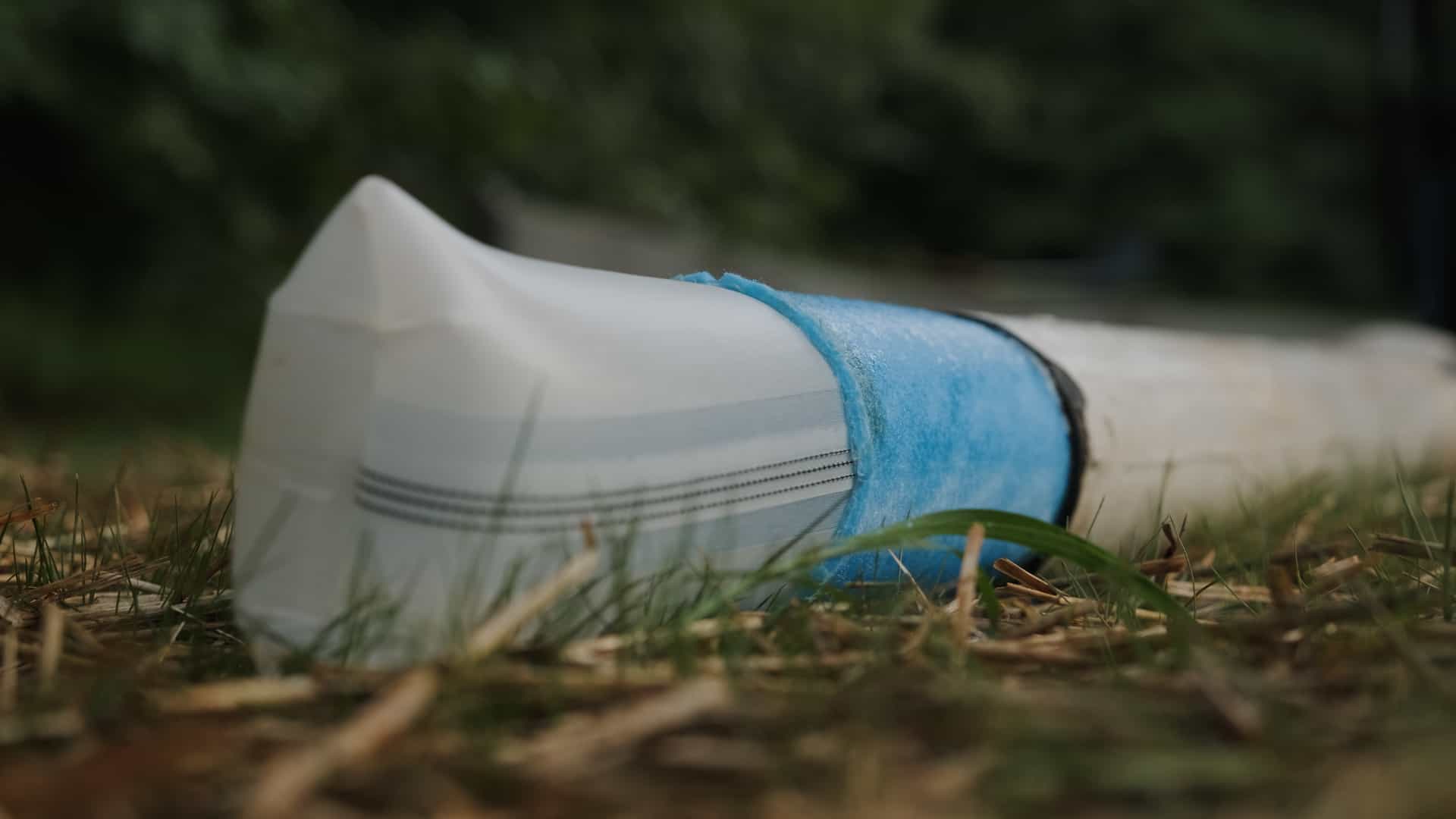
Frequent drain backups, a bad smell in the yard, or a damp patch of lawn are not just plumbing quirks. They are often warning signs of a damaged sewer line underground.
This guide covers the top 5 signs you might need trenchless pipe lining, the no-dig method that repairs your existing pipe from the inside instead of digging up your yard.
Whether you own a home or manage a rental or commercial property, spotting these signs early can help you avoid a bigger repair and protect your yard, basement, or crawl space.
1. Recurring Drain Backups or Slow Drains
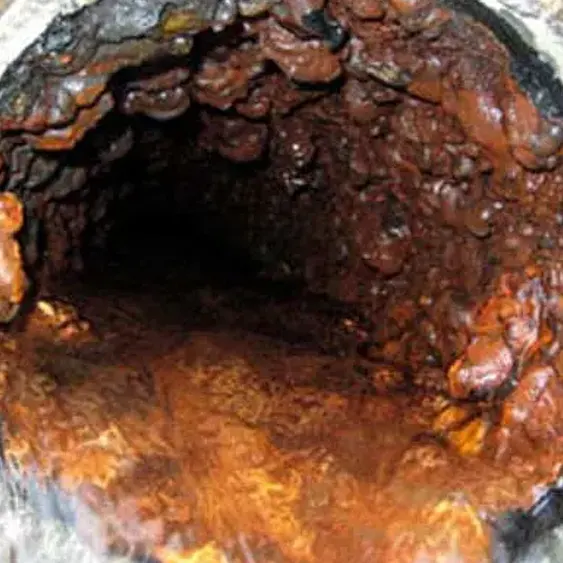
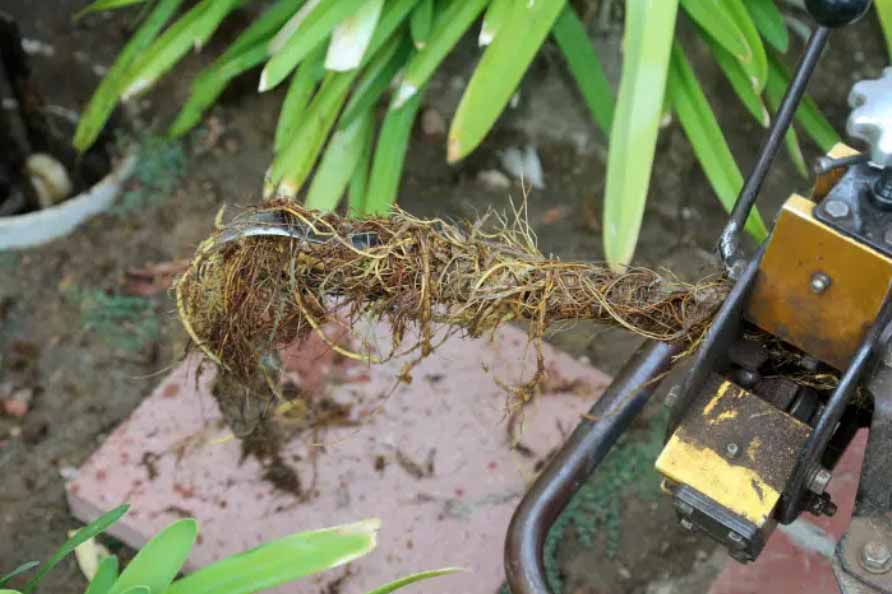
If your sinks, tubs, or toilets keep clogging or if water drains slower than usual, it’s likely more serious than a simple blockage. These symptoms often point to hidden damage in your underground sewer lines. Cracks, corrosion, root intrusion, and even collapsed sections of pipe can restrict flow and cause backups to return repeatedly.
While traditional snaking or drain cleaning might offer temporary relief, it doesn’t solve the underlying issue.
Why It Matters:
Ignoring persistent drain problems puts your property at risk for full system failure. Left untreated, the damage can lead to raw sewage backups, water damage, or even mold. It can lead to costly cleanup and health risks for families or tenants.
How Trenchless Pipe Lining Helps:
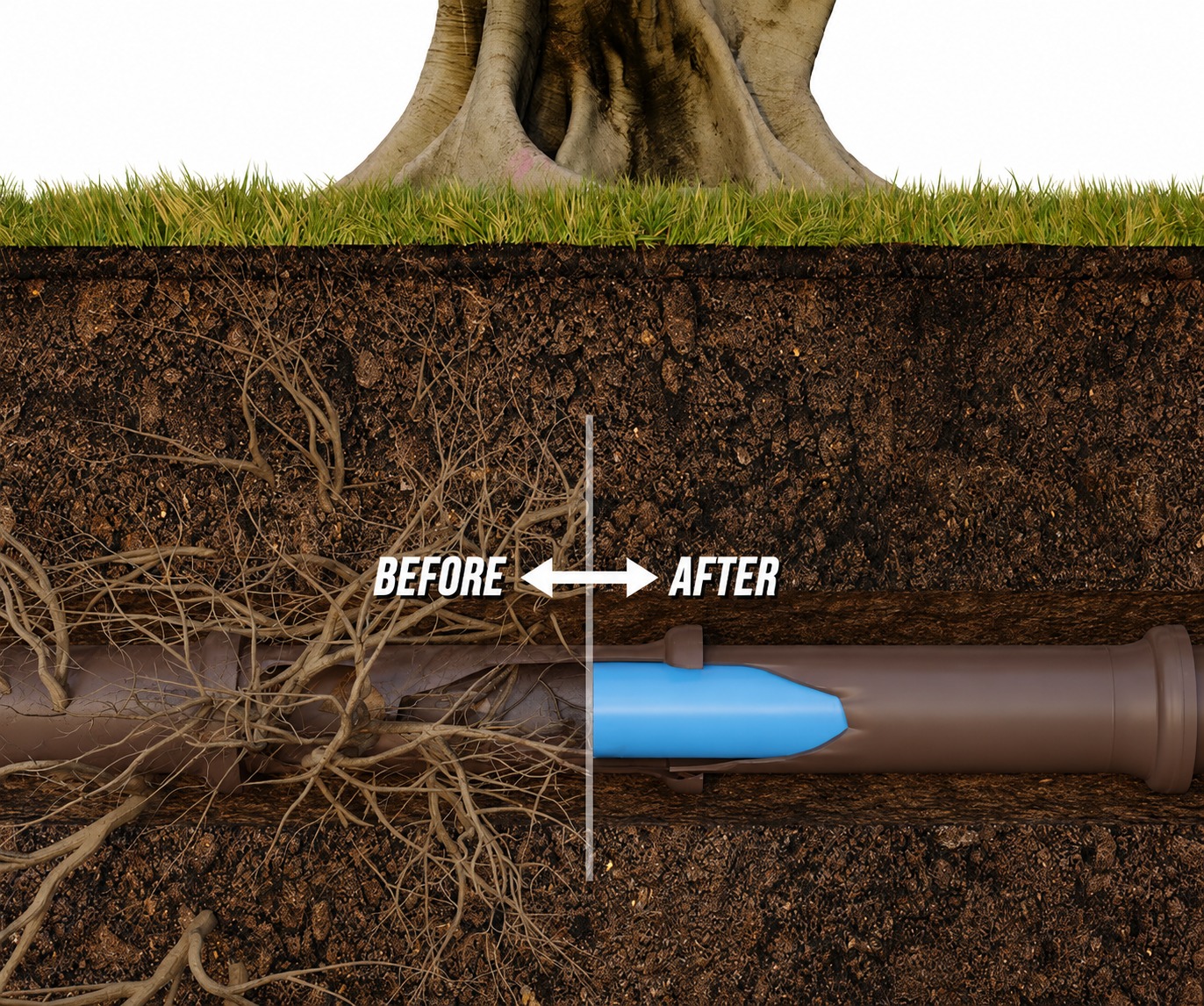
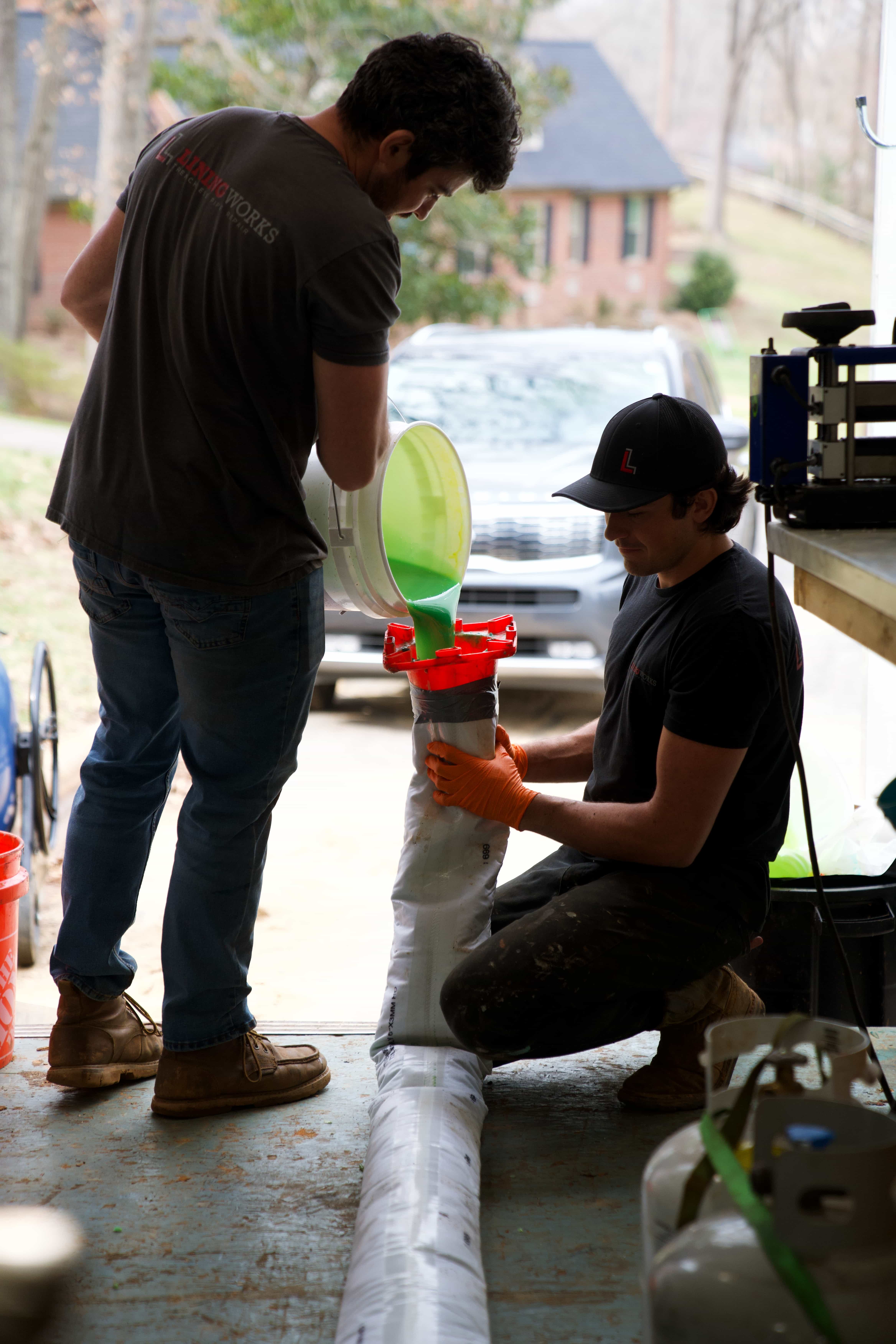
With CIPP lining (cured-in-place pipe), damaged sewer lines are repaired from the inside without removing flooring, digging trenches, or disrupting your home or business. A flexible liner coated with epoxy resin is inserted directly into the existing pipe. Once cured, it creates a strong, seamless new pipe within the old one.
This trenchless plumbing method restores proper flow, seals out tree roots and corrosion, and prevents future clogs. It does it all without damaging your basement, crawl space, or yard. It’s a fast, long-term solution for residential pipe lining and commercial plumbing systems.
2. Unpleasant Odors Are Coming from Drains or Yard
A bad smell from your drains, basement, or yard isn’t just irritating. It’s a clear red flag that something is wrong with your sewer system. These odors are often the result of a damaged or leaking sewer line that’s allowing waste or gases to escape beneath your home or business.
In many residential and commercial properties, these smells go unnoticed at first or are mistaken for minor issues. But ignoring them could lead to much bigger problems.
What Different Odors Could Mean:
According to NCH Asia, certain odors from your pipes can tell you exactly what’s going on:
- Metallic smell: Corroded metal inside aging water lines.
- Chlorine-like smell: Often linked to contaminated water or cleaning agents lingering in the system.
- Moldy or musty smell: Usually from stagnant or sitting wastewater in your pipes or drains.
- Rubber smell may indicate plastic or synthetic pipe material leaking into your water supply.
- Sewage smell: Often caused by bacteria buildup in unused drains or damaged sewer lines.
- Rotten egg smell: Typically caused by bacteria feeding on organic waste, producing sulfur gases.
These signs shouldn’t be ignored, especially if you have older cast iron pipes or lines running through basements or crawl spaces.
Why It Matters:
Odors caused by sewer line damage are more than unpleasant. They’re potentially hazardous. Sewage leaks can lead to soil contamination, pest infestations, or structural damage to your foundation. In commercial settings, foul smells can drive away customers or tenants, and they pose serious health concerns in homes.
How Trenchless Pipe Lining Helps:
When sewer lines crack or corrode, gases and waste can escape, causing a strong, foul odor around drains or yards. Trenchless pipe lining fixes the root problem by sealing the damaged pipe from the inside.
This no-dig pipe repair method eliminates leaks and odor sources without disturbing your lawn, basement, or crawl space. It is an ideal solution for both residential and commercial properties.
3. Lush or Soggy Patches in the Yard
If you notice sections of your yard that stay damp even on dry days or grass that’s unusually lush or green compared to the other parts of the lawn, it could be more than just overwatering. These are classic signs of a damaged underground sewer line slowly leaking wastewater into the soil.
Whether your property sits on a slab foundation, has a crawl space, or includes landscaped common areas, these symptoms should never be ignored. Over time, even a small leak can saturate the ground and cause major issues.
Why It Matters:
Leaking sewage beneath your yard creates the perfect conditions for:
- Mosquito breeding grounds in standing water.
- Soil erosion that threatens your foundation or slab.
- Sinkholes or sunken areas can harm children, pets, or visitors.
- Damage to your landscaping, flowerbeds, hardscapes, or irrigation systems.
In commercial settings, it can also harm curb appeal and increase liability. In residential areas, it may lead to costly repairs and even health hazards if wastewater surfaces near outdoor living spaces.
How Trenchless Pipe Lining Helps:
Trenchless pipe lining targets the source of the leak by sealing cracks and gaps inside the pipe without digging up your yard. This pipe repair method stops wastewater from seeping into your soil and eliminates the need to disturb lawns, flowerbeds, or walkways. It’s a smart solution for residential and commercial properties, especially where landscaping, turf, or outdoor features must stay intact.
4. Foundation Cracks or Settlement Issues
Not all plumbing problems show up inside your drains. Sometimes, the first warning signs of a damaged sewer line appear as structural issues like cracks in your foundation, sloping floors, or gaps around doors and windows. These can all be caused by ongoing underground pipe leaks, especially under slab foundations, basements, or crawl spaces.
As wastewater seeps into the surrounding soil, the ground supporting your structure can erode. Over time, this creates uneven settling that compromises your home’s or building’s stability.
Why It Matters:
Hidden leaks from broken or corroded sewer lines can cause:
- Foundation cracks or heaving from shifting soil.
- Basement wall damage from accumulating moisture.
- Uneven flooring or drywall separation.
- Costly structural repairs that often go far beyond plumbing.
This kind of damage is common in older homes with deteriorating cast iron pipe systems. But it can also affect newer properties, especially if trees, poor soil conditions, or prior plumbing issues are involved.
How Trenchless Pipe Lining Helps:
Instead of tearing up concrete floors or digging around your home’s foundation, pipe relining addresses the issue directly at the source.
This CIPP lining (cured-in-place pipe) method stops leaks before they affect your home’s structural supports. It’s especially useful in properties with finished basements or slab-on-grade foundations, where excavation would be invasive and expensive.
Trenchless sewer repair protects your plumbing and preserves the structural integrity of your entire property. It also involves less disruption and has a lower sewer lining cost than traditional methods.
Let me know when you’re ready for the final sign!
5. Your Pipes Are 30+ Years Old
If your home or property is over 30 years old and still has its original plumbing, it may be time to take a closer look beneath the surface. Older cast iron or clay sewer pipes naturally degrade over time due to corrosion, shifting soil, mineral buildup, or tree root intrusion. Even if you’re not noticing major issues, these materials are more prone to cracking, leaking, or collapsing with age.
This is especially true in homes with basements, crawl spaces, or slab foundations, where leaks can remain hidden until they’ve already caused damage.
Why It Matters:
Waiting until you see backups, flooding, or structural damage often means higher repair costs and more disruption. Aging sewer lines can fail without warning, leading to:
- Emergency excavation.
- Property damage.
- Health risks from wastewater leaks.
- Higher sewer lining cost due to urgency and scope of repair.
Taking action before failure gives you more control over costs, timing, and the impact on your home or business.
How Trenchless Pipe Lining Helps:
Trenchless pipe lining offers a proactive solution for aging plumbing systems. With CIPP or epoxy pipe lining, professionals create a seamless new pipe inside your existing one without removing flooring, cutting concrete, or digging through landscaped areas.
This repair method extends the life of your sewer system by decades and improves flow by eliminating corrosion and buildup. It’s a smart, long-term option for residential pipe lining and commercial properties. It protects your investment without the mess or downtime of traditional replacement.
Key Takeaways for Homeowners and Property Managers
- Trenchless pipe lining is a modern, cost-effective way to repair damaged, leaking, or aging sewer lines without excavation through your lawn, basement, or foundation.
- Common warning signs include slow drains, unpleasant odors, soggy patches in the yard, and even foundation cracks or settlements. All of which may signal deeper sewer line issues.
- If your property has cast iron or clay pipes that are 30+ years old, don’t wait for them to fail. Preventive pipe relining can save thousands in future repairs.
- Acting early protects your plumbing system, helps preserve your property value, limits downtime, and avoids disruptive, invasive construction.
- LiningWorks specializes in trenchless sewer repair and is backed by expert service, advanced technology, and long-term warranties, so you can confidently move forward.
Get Expert Help Without the Mess
If you’ve noticed any of the signs above or simply want peace of mind, Lining Works is ready to help. We specialize in residential pipe lining and trenchless sewer repair for homes and commercial properties across North Carolina.
Our no dig pipe repair methods protect your foundation, preserve your landscaping, and restore your plumbing without the mess or disruption of traditional excavation.
Request a quote today to see if trenchless pipe lining is the right solution for your property. We’ll help you catch issues early, avoid costly repairs, and keep your property in top shape for years to come.