
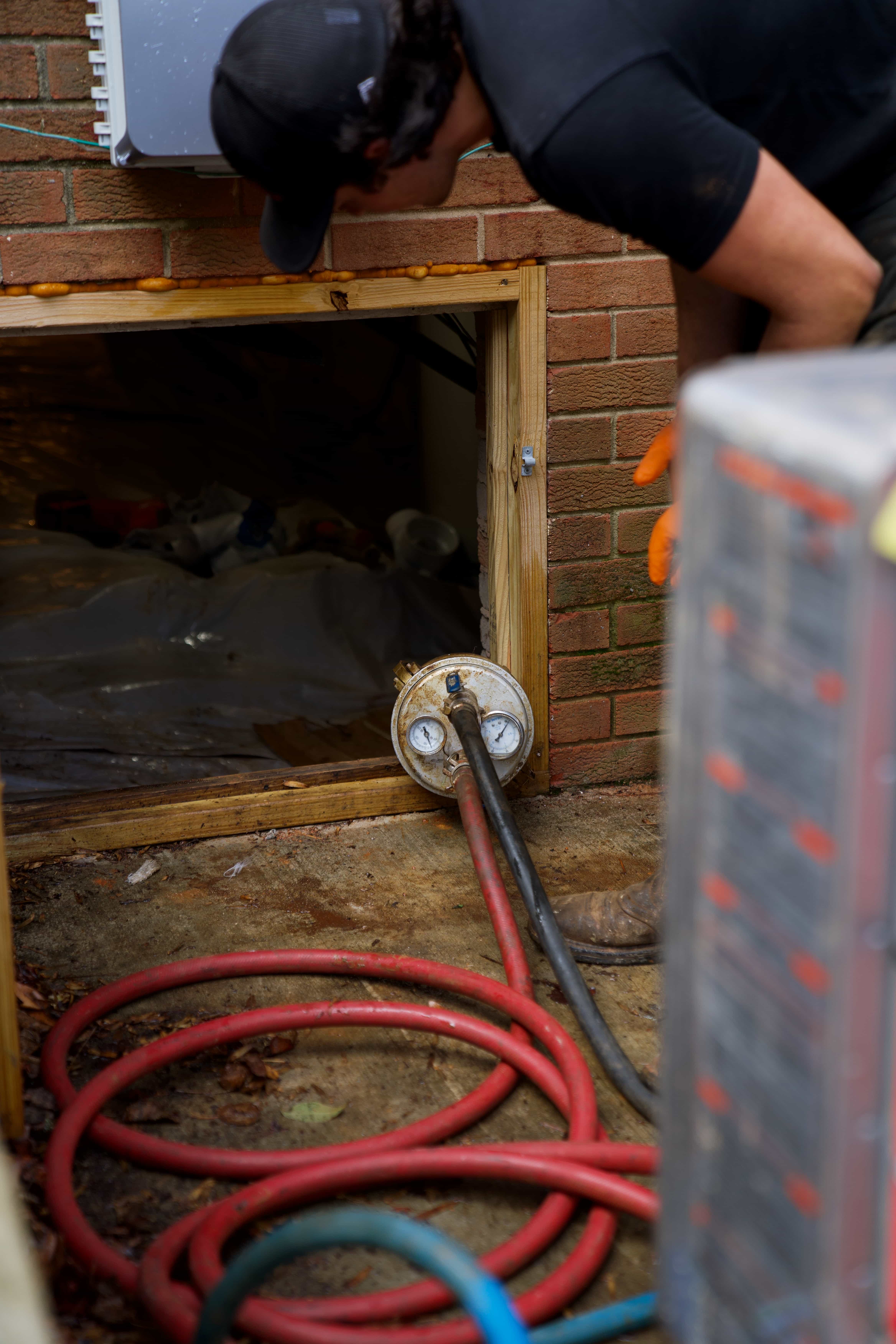
An older home comes with character: real wood floors, solid brick, maybe a mature tree out front that’s been there for decades. Then one day the toilet gurgles, the shower drains slow, and a plumber tells you the words no homeowner wants to hear: you’ve got tree roots in your sewer line.
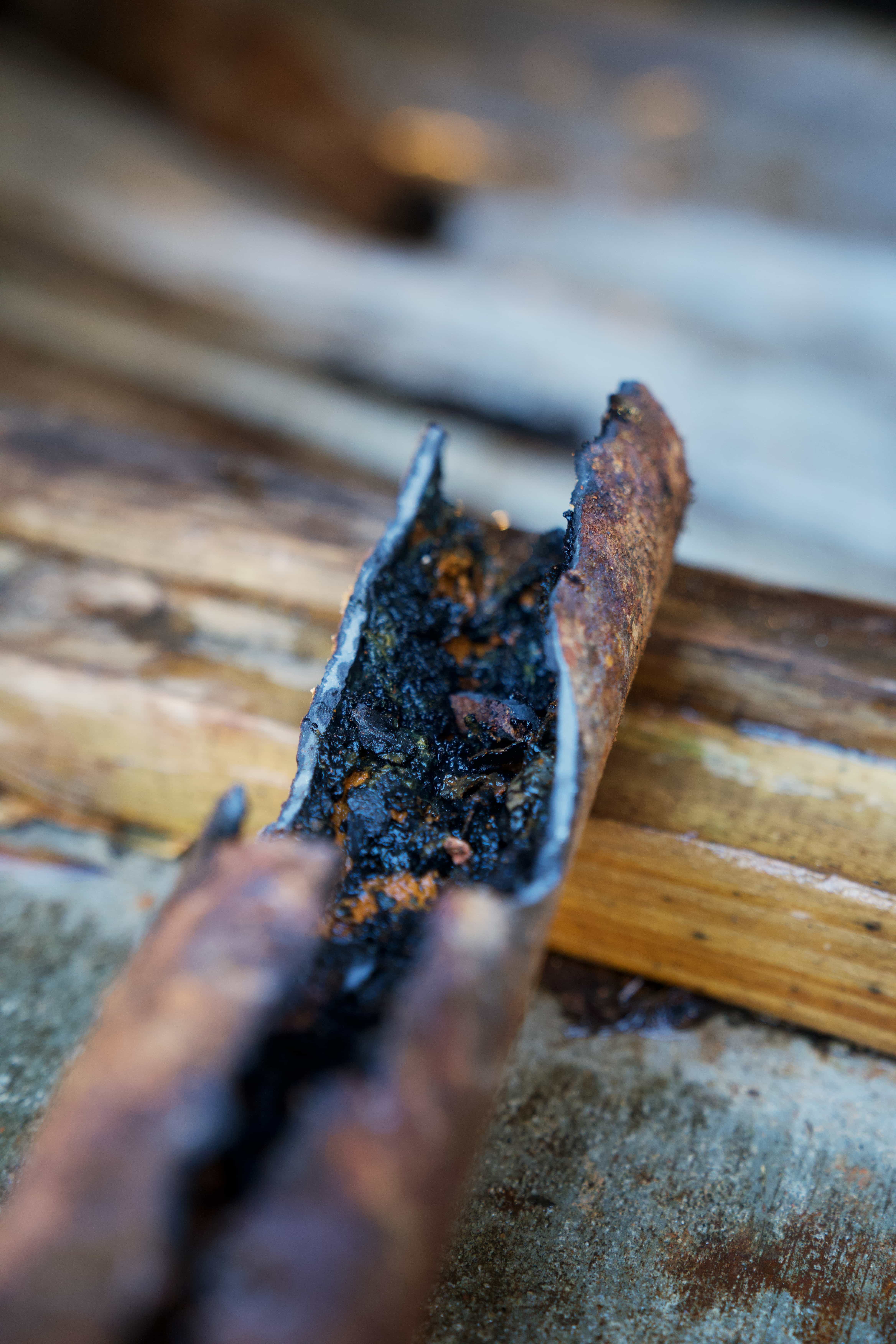
That’s not bad luck. Homes built decades ago often have clay tile, cast iron, or Orangeburg sewer pipe, materials joined in short sections and sealed with mortar or tar instead of one continuous, watertight pipe. As soil shifts and those joints separate over the years, they open a path for roots to follow.
Here’s why older homes are especially prone to root intrusion, the warning signs to watch for, and how a proper repair keeps roots from finding their way back in.
Older Pipes Were Built in a Different Era
Back when many older homes were built (think 1940s, 50s, even earlier), plumbing materials were…let’s call them optimistic.
Common sewer pipe materials included:
- Clay tile
- Cast iron
- Orangeburg (a fiber pipe that looked good on paper and failed spectacularly in real life)
These pipes weren’t designed to be watertight forever. They were joined in short sections, sealed with mortar or tar, and buried with the hope that nothing would move.
But soil moves. Pipes settle. Joints separate.
And when that happens, nature shows up.
Tree Roots Are Just Doing Their Job
Here’s the thing about trees: they’re not malicious. They’re just thirsty.
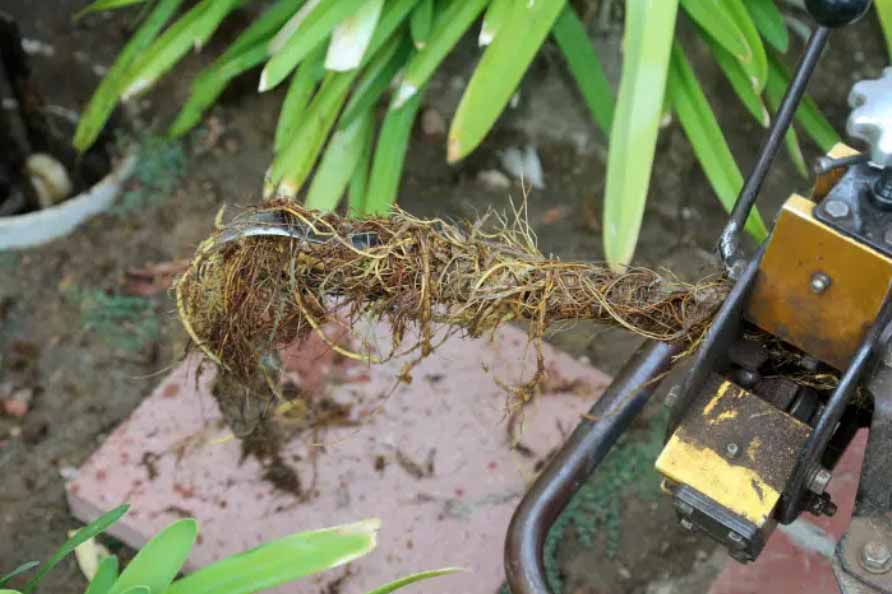
Sewer lines carry water, nutrients, and warmth, exactly what roots are searching for. When an older sewer pipe develops even the tiniest crack or loose joint, it releases moisture into the soil.
Roots detect that moisture and move toward it. Once they find the opening, they don’t stop. They squeeze in, grow thicker, and turn a hairline crack into a full-blown blockage.
That’s how a small leak becomes a major sewer root removal job.
Why Older Homes Are a Bigger Target
Older homes tend to check all the boxes that make root intrusion more likely:
1. Aging Pipe Materials
Clay and cast iron weaken over time. Decades of ground movement, corrosion, and wear make them easy targets for root intrusion requiring removal.
2. Mature Landscaping
Those beautiful, full-grown trees? They didn’t just grow upward. Their root systems spread wide, and often straight toward your sewer line.
3. Shallow Sewer Lines
Older sewer systems were often installed closer to the surface, right where tree roots like to grow.
4. Deferred Maintenance
Many homeowners don’t think about their sewer line until it backs up. By then, roots have usually been working overtime for years.
The result? Recurring sewer clogs that don’t stay fixed.
The Problem With “Just Cutting the Roots”
When roots invade a sewer line, the most common response is a root cutting service, often done with a mechanical rooter service.
It clears the blockage. The water flows again. Everyone breathes a sigh of relief.
But here’s the uncomfortable truth:
Cutting roots doesn’t fix the pipe.
It’s like mowing weeds without pulling them out. The roots grow back. And they come back faster each time.
That’s why homeowners with older pipes often find themselves calling for sewer root removal again… and again… and again.
Seeing the Problem: Sewer Camera Inspections
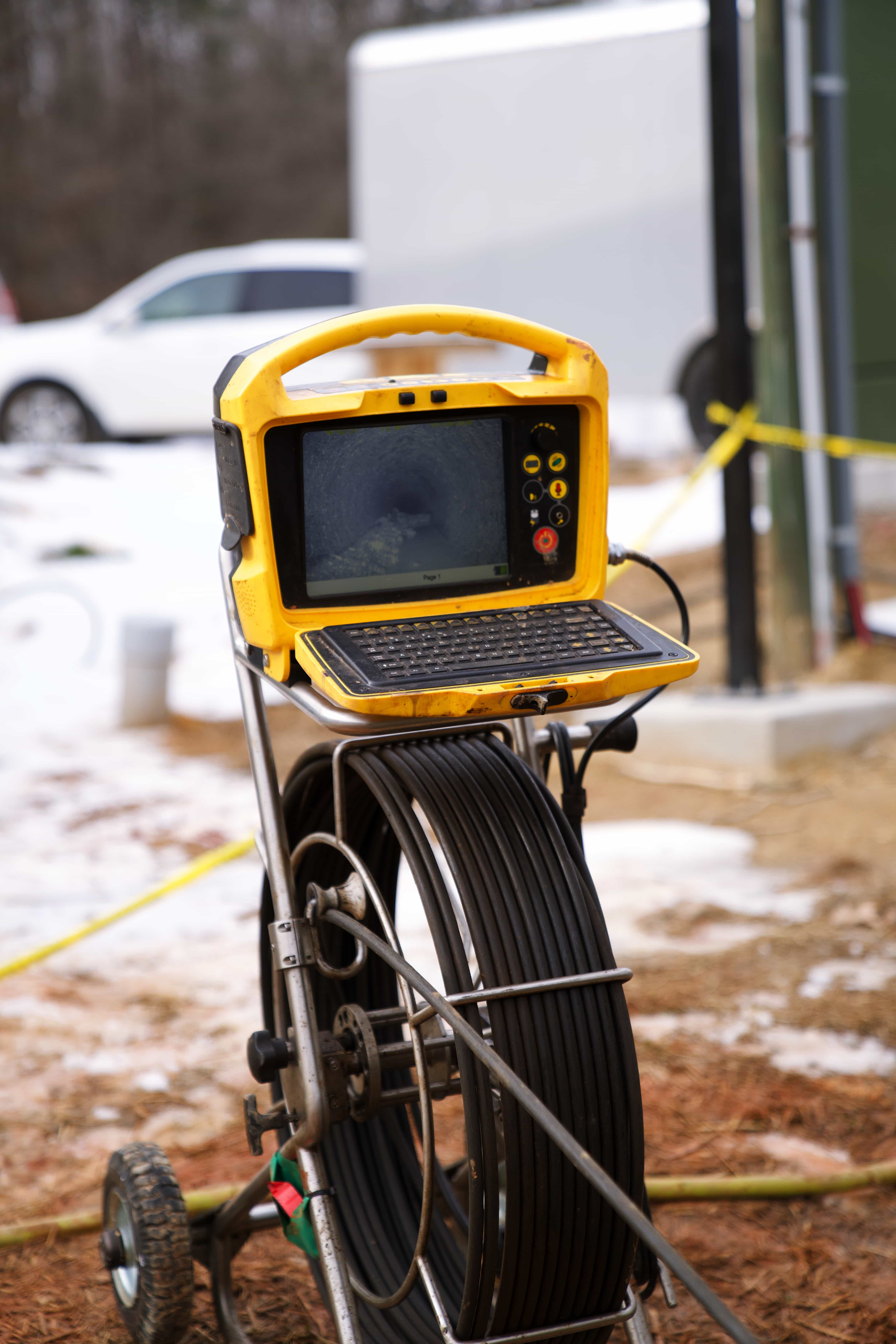
Before anyone starts cutting, blasting, or lining anything, the smartest move is a sewer camera inspection.
This involves sending a small camera through your sewer line to see exactly what’s happening underground.
A camera inspection can reveal:
- Tree roots in the sewer line
- Cracked or collapsed pipe sections
- Offset joints where roots keep entering
- Areas causing recurring sewer clogs
For older homes, this step is critical. Guesswork leads to temporary fixes. Cameras lead to real solutions.
Hydro Jetting: Powerful, But Not Permanent
Hydro jetting roots uses high-pressure water to blast away roots, grease, and buildup inside the pipe. It’s powerful. It’s effective.
And for some situations, it’s the right call.
But here’s the catch: hydro jetting cleans the pipe. It doesn’t repair it.
If the pipe still has cracks or open joints, roots will return. Think of hydro jetting as hitting the reset button, not solving the underlying issue.
The Long-Term Fix Older Homes Need
If you’re tired of repeat rooter service visits and recurring backups, there’s a reason many homeowners are turning to trenchless pipe lining.
Trenchless pipe lining repairs your existing sewer line from the inside. A flexible liner is inserted, then cured to form a new, seamless pipe within the old one.
Why It Works for Older Homes
- Seals cracks and joints permanently
- Blocks future root intrusion
- Strengthens aging pipes
- No digging up yards, driveways, or sidewalks
Once lined, roots have nothing to grab onto. No gaps. No leaks. No repeat invasions.
It’s one of the most effective ways to prevent roots in pipes without tearing up your property.
Warning Signs You Shouldn’t Ignore
Older homes don’t usually fail all at once. They whisper before they shout.
Watch for these signs:
- Slow drains throughout the house
- Gurgling sounds from toilets or sinks
- Sewage smells indoors or outside
- Frequent need for sewer root removal
- Backups after heavy rain
If you’re noticing more than one of these, odds are good roots are already involved.
Why Waiting Makes It Worse
Here’s the part nobody likes to hear: root intrusion doesn’t fix itself.
Roots grow thicker. Pipes weaken further. Small clogs turn into major backups, or worse, pipe collapse.
What starts as a manageable sewer line root removal can become an emergency excavation if ignored long enough.
Older homes deserve better than that.
The Smarter Way Forward
If your home has older plumbing and mature trees, the goal isn’t just clearing today’s clog. It’s stopping tomorrow’s problem.
The right approach usually looks like this:
- Sewer camera inspection to identify damage
- Targeted root intrusion removal to restore flow
- Long-term protection with trenchless pipe lining, when needed
That’s how you break the cycle for good.
Final Thought (From One Old-School Fan to Another)
Older homes were built with pride. Solid craftsmanship. Materials that lasted longer than anyone expected.
But even the best systems wear out. And when it comes to sewer lines, tree roots don’t care how charming your house is.
If you’re dealing with recurring sewer clogs, roots in your pipes, or constant root cutting service calls, it’s time to stop fighting the same battle.
LiningWorks specializes in modern solutions for old problems, especially sewer line root removal that actually lasts.
Schedule a sewer camera inspection today and find out what’s really going on beneath your home, before roots make the next move.