
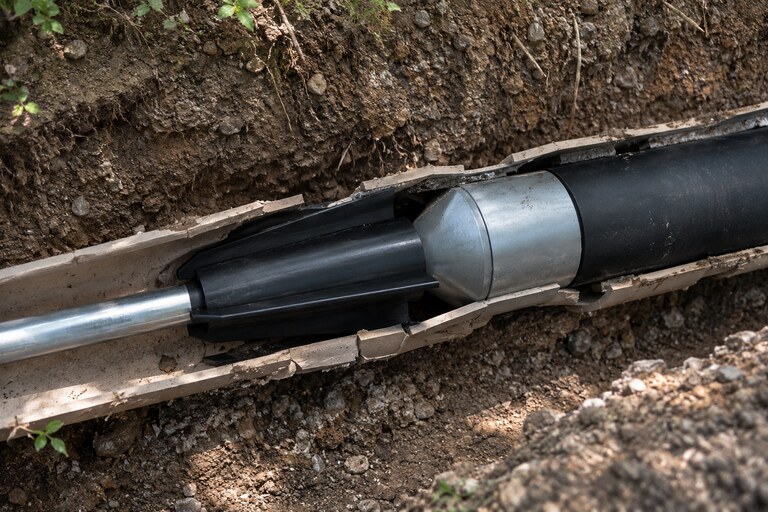
A collapsed or badly damaged sewer line is a stressful problem to face. If you're researching how to fix it without digging up your yard, you've likely run into conflicting claims about trenchless pipe bursting. This guide breaks down the most common myths, so you know the facts before deciding how to fix your line.
Trenchless pipe bursting is one of the methods homeowners come across when researching trenchless sewer repair, alongside pipe lining, also called cured-in-place pipe (CIPP). Bursting breaks apart the old pipe underground and pulls a new pipe through, using two small access pits instead of one long trench. Here's what's fact and what's fiction.
Myth #1: You Have to Dig Up Your Yard Anyway
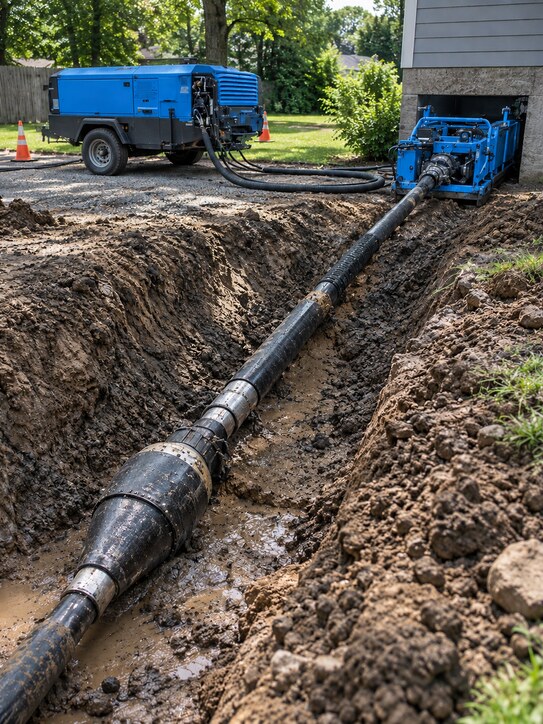
Reality Check: The whole point of trenchless technology is to replace sewer lines without digging giant trenches.
- Trenchless Replacement 101: Instead of big trenches, experts dig a small hole at each end of the damaged pipe. Then they use a powerful winch to pull a new High-Density Polyethylene (HDPE) pipe through, bursting the old one into fragments as they go. No backhoes. No front-yard eyesores. Just two little access pits and a lot less mess.
- Why It Matters: Traditional sewer line replacement can destroy landscaping, driveways, and sidewalks. With underground pipe bursting, your garden gnome stays right where you left it.
Myth #2: It’s Just as Expensive as Dig-and-Replace
Reality Check: While trenchless methods aren’t free, they often cost less in the long run when you consider restoration expenses.
- Pipe Bursting Cost Breakdown: Yes, the upfront cost of HDPE pipe bursting can be comparable to digging. But when you tally up repairing lawns, driveways, fences, and local permits, trenchless often comes out ahead.
- Pro Tip: Ask your contractor for a breakdown of pipe bursting cost vs. traditional replacement. You’ll likely see savings once you factor in landscaping and hardscape repairs.
Myth #3: It Only Works on Small Pipes
Reality Check: Trenchless pipe bursting can handle a wide range of pipe sizes, from 4-inch drain lines to larger sewer mains.
- Bursting Old Pipes: Modern equipment uses frictionless pull rods and varying head sizes to match almost any existing pipe diameter. That means bursting old pipes under your house or out by the street.
- HDPE Pipe Bursting Flexibility: HDPE is tough, flexible, and resistant to corrosion. It’s the industry standard for both residential and commercial sewer replacements.
Myth #4: The New Pipe Will Leak or Shift
Reality Check: HDPE pipe has smooth walls, fused joints, and a lifespan of 50+ years. It’s built to never leak.
- Fused Joints: Instead of rubber gaskets, HDPE pipes are heat-fused. You get a single, leak-free length from cleanout to sewer main.
- Stable Underground: Once in place, the pipe settles naturally. Thanks to trenchless replacement methods, it’s supported by the surrounding soil without voids or gaps.
How Trenchless Pipe Bursting Works
Let’s peel back the curtain on the pipe bursting method:
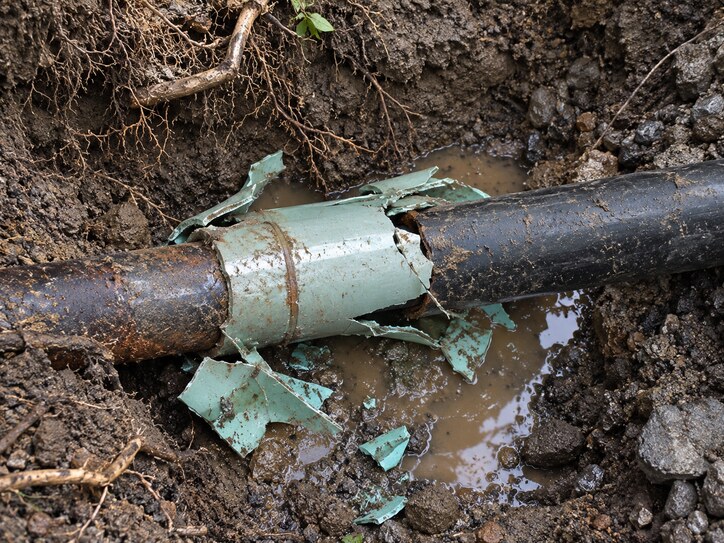
- Camera Inspection: A small camera travels through the old pipe, mapping cracks, root intrusions, and collapsed sections.
- Site Setup: Technicians dig two small pits: one at the pipe’s entry, one at the exit point.
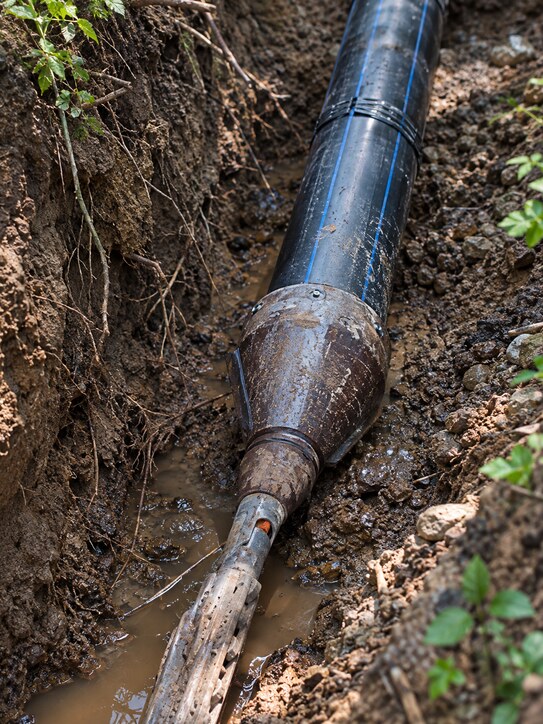
- Inserting the Head: A bursting head, matched to the new pipe size, attaches to a new HDPE pipe.
- Pull & Burst: A hydraulic winch pulls the head through the old pipe, fracturing it into the soil and pulling the new pipe along behind.
- Final Connections: Technicians reconnect sewer laterals and perform a pressure check to ensure everything’s sealed tight.
- Site Restoration: Pits are backfilled. A little seed or sod later, and your lawn looks untouched.
Pros and Cons of Trenchless Replacement
Pros
- Minimal surface disruption, keeping your yard, driveways, and landscaping intact.
- Faster project times: most jobs finish in a day.
- Durable, smooth-walled HDPE pipes, with no roots, leaks, or corrosion.
- Cost-effective when factoring restoration.
Cons
- Not ideal for extreme directional changes; tight bends need evaluation.
- Access pit locations must be clear of utilities and structures.
- Upfront costs can be higher if restoration is minimal.
Trenchless Pipe Bursting vs. Lining
- Pipe Bursting vs Lining: Lining restores the inside of the pipe but doesn’t change diameter. If your old pipe is crushed or collapsed, lining won’t add structural integrity. Bursting replaces the line entirely.
- When to Line: If your pipe is sound but has root intrusions or minor cracks, Cured-In-Place Pipe (CIPP) lining may be even less invasive.
- When to Burst: If you’re dealing with severe damage, collapsed sections, or want to upsize from a 6-inch to an 8-inch line for better flow, pipe bursting is your go-to.
Key Takeaways for Homeowners
- Ask for Camera Inspections: Never commit without a clear picture of what’s underground.
- Get Detailed Quotes: Compare pipe bursting cost, trenchless lining, and traditional dig-and-replace.
- Check Warranties: Top contractors back their work with 5–10-year warranties on HDPE pipe bursting projects.
- Think Long-Term: Trenchless technology isn’t a quick fix; it’s an investment in your home’s future.
Ready to Replace Your Sewer Line Without Digging?
If you’re tired of myths and ready for facts, reach out to the experts at LiningWorks. We’re family-owned, locally operated, and specialize in trenchless pipe bursting across Winston-Salem, NC, and the surrounding areas. No gimmicks, no trenches, just honest solutions.Contact us today to schedule your camera inspection and get a clear picture of your underground plumbing. Let’s keep your yard intact and your pipes flowing for decades to come.