
Recurring drain backups, sewer odors, or slow drains often mean a damaged pipe underground. Sewer pipe lining and pipe bursting are two trenchless repair methods that can fix that pipe without digging up your entire yard.
The two methods are not interchangeable. Lining keeps the old pipe in place and rebuilds it from the inside. Pipe bursting breaks the old pipe apart and pulls a new one through, which means more excavation.
This guide compares trenchless pipe lining and pipe bursting side by side, so you can see how each method works and which one fits your pipe’s condition.
What Is Trenchless Pipe Lining?
Also known as CIPP lining (short for cured-in-place pipe lining) or pipe relining, this advanced no-dig pipe repair method creates a brand-new pipe without removing the old one.
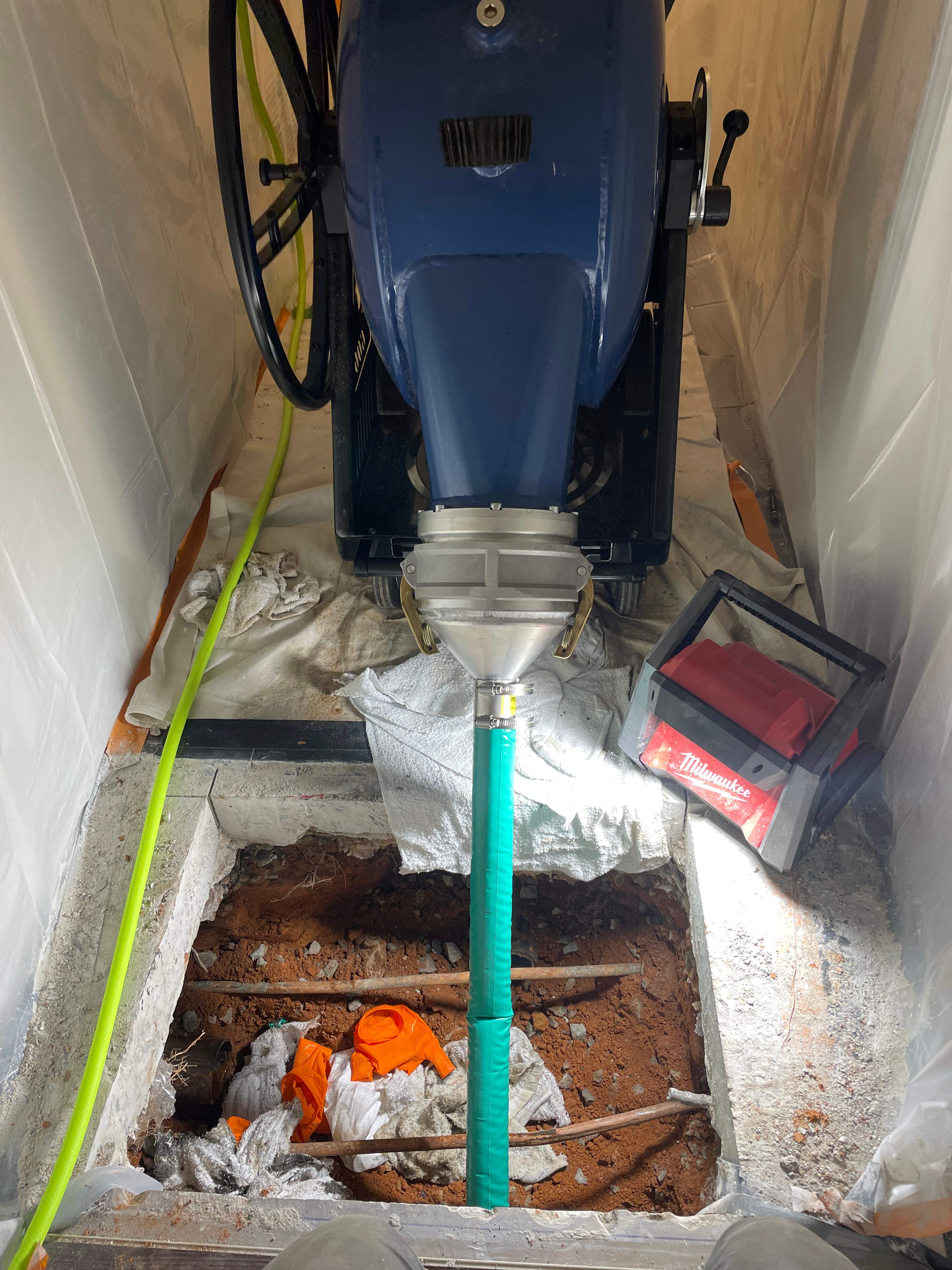
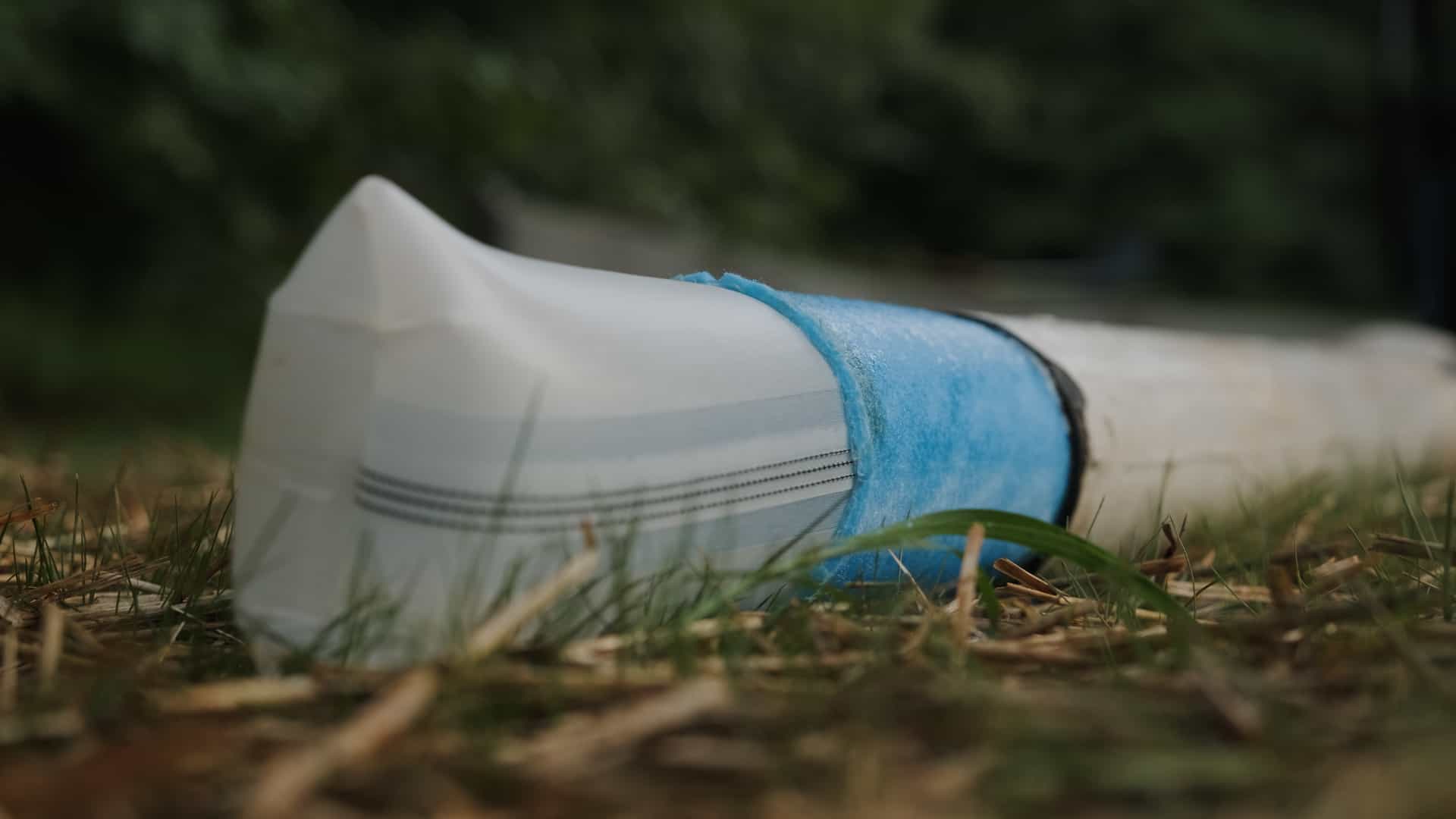
Here’s how it works: a flexible liner coated with a durable resin (usually epoxy) is inserted into the damaged pipe. Once in place, it’s inflated and cured, forming a solid, seamless pipe inside your existing one. The result? A new pipe that’s strong, smooth, and built to last.
How Pipe LiningWorks
- Camera Inspection: First, we use a high-resolution camera to inspect the pipe and locate the damage.
- Cleaning & Prep: The pipe is thoroughly cleaned to ensure a strong bond between the liner and the existing pipe walls.
- Liner Installation: We insert the resin-saturated liner into the pipe and inflate it to fit snugly inside.
- Curing Process: Once inflated, the liner is cured using hot water, steam, or UV light, hardening into a new pipe.
When Trenchless Pipe Lining Makes Sense
- Cracked, corroded, or leaking pipes
- Older cast iron, clay, or concrete lines
- Eliminate root intrusion
- Homes needing residential pipe lining without disrupting floors, landscaping or driveways
Pros of Sewer Pipe Lining
✅ No digging required – preserves landscaping, floors, and driveways
✅ Quick turnaround – most repairs done in a single day
✅ Durable solution – extends pipe life by 50 years or more
✅ Cost-effective – avoids costly excavation and restoration
Cons of Sewer Pipe Lining
⚠️ Not suitable for completely collapsed pipes – pipe must be mostly intact
⚠️ Not suitable for pipes with large bellies. If a pipe belly is greater than 50% of the pipe’s diameter, replacement may be required.
⚠️ Not suitable for very large offsets in existing pipe.
What Is Pipe Bursting?
Pipe bursting is a trenchless sewer repair approach that replaces your existing underground pipes by breaking them apart while pulling a new pipe into place. Unlike traditional excavation, this technique allows for a complete pipe replacement without digging up your entire yard or driveway.
It’s a powerful solution when CIPP or resin pipe lining isn’t an option, especially in cases where the existing pipe is severely damaged or collapsed.
How Pipe Bursting Works
- Access Point Setup: We begin by digging small entry and exit holes at both ends of the damaged pipe to access the underground line, keeping it a trenchless plumbing process from start to finish.
- Bursting Head Insertion: A specially designed bursting head is fed into the existing line. This powerful tool fractures the old pipe as it moves through, making it ideal for jobs where pipe relining isn’t possible.
- Pipe Fragmentation: As the bursting head advances, it breaks apart the damaged pipe, allowing the new line to take its place. This method is often used in residential pipe lining alternatives when the original pipe is too far gone.
- New Pipe Installation: At the same time, a new, long-lasting pipe is pulled into place, restoring your system with a full replacement. It’s a smart solution when sewer pipe lining or CIPP lining won’t do the job.
Best For:
- Fully collapsed or structurally failed pipes
- Pipes with severe misalignment or deformation
- Situations requiring complete sewer pipe replacement
- Projects where trenchless plumbing is preferred, but relining isn’t viable
Pros of Pipe Bursting
✅ Full replacement – installs a brand-new pipe that can be the same size or even larger
✅ Handles severe damage – works when pipes are beyond repair
✅ Durable and long-lasting – ideal for long-term use and peace of mind
Cons of Pipe Bursting
⚠️ Requires small-scale excavation – access pits are needed at both ends of the pipe
⚠️ May not suit all locations – not ideal near sensitive structures or tight property lines
Pipe Lining vs. Pipe Bursting: Side-by-Side Comparison
Both trenchless plumbing methods, pipe lining and pipe bursting, offer efficient, no-dig solutions for repairing damaged sewer lines. However, each one serves a different purpose depending on the condition of your pipes. Use this side-by-side comparison to see how they stack up in terms of time, cost, durability, and when each method makes the most sense.
| Feature | Trenchless Pipe Lining | Pipe Bursting |
| Invasiveness | No excavation needed, completely no dig | Small entry and exit pits required |
| Best For | Minor to moderate pipe damage, including aging cast iron pipe lining | Severe pipe damage or full replacement needs |
| Time Required | Typically 1 day | Typically 1–2 days |
| Cost | Moderate, cost-effective for residential pipe lining | Moderate, cost-effective for residential pipe lining |
| Durability | Up to 50 years with resin pipe lining | 50+ years with high-quality replacement pipe |
| Pipe Material Outcome | Resin liner pipe cured inside the existing pipe | Entirely new pipe pulled into place |
Key Takeaways for Homeowners
Still unsure which trenchless method is right for your home? Don’t worry, you’re not alone. Many homeowners face this decision when dealing with aging or damaged sewer lines. The good news is that both trenchless pipe lining and pipe bursting offer smart, long-lasting solutions that protect your property and save you time.
Here’s a quick overview to help you decide:
- Choose trenchless pipe lining when your pipes are still structurally intact but affected by cracks, corrosion, or root intrusion. It’s a fast, clean, cost-effective, no-dig pipe repair that restores flow without tearing up your yard.
- Opt for pipe bursting if your existing sewer line is severely damaged, collapsed, or needs to be replaced entirely. It’s the better fit when CIPP lining or epoxy pipe lining just isn’t viable.
- Both trenchless plumbing methods offer durable, long-term solutions, without traditional excavation’s high cost and disruption.
Trenchless Pipe Lining vs. Pipe Bursting FAQs
Still have questions? You’re not alone. Choosing between trenchless pipe lining and pipe bursting can feel overwhelming if it’s your first time dealing with underground pipe issues. To help you make a confident, informed decision, here are answers to some of the most common homeowner questions we hear.
1. Is trenchless repair safe for older homes?
Yes, trenchless methods are ideal for older homes. Pipe lining and pipe bursting avoid damaging historic landscaping, foundations, or hardscapes. Both methods work well with aging cast iron or clay pipes, offering a safe way to modernize plumbing without the risk of heavy excavation near fragile structures.
2. Will trenchless repairs increase my home value?
Absolutely. Upgrading your plumbing with trenchless pipe lining or pipe bursting enhances reliability and longevity, two major selling points for buyers. Plus, modern materials like resinliners and HDPE reduce future maintenance. It’s an investment that protects your property and adds long-term value without altering curb appeal.
3. Can I stay in my home during the repair?
Yes. Most trenchless pipe lining or bursting jobs are completed in one or two days with little disruption. You may have brief water service interruptions, but there’s no need to vacate. The process is clean, fast, and designed to keep your daily routine uninterrupted.
4. Does pipe bursting damage nearby utilities?
Not typically. Before any trenchless sewer repair, a professional will locate and mark all nearby utility lines. Pipe bursting equipment follows the old pipe’s path, minimizing gas, water, or electrical lines risks. Proper planning ensures safety and precision during the installation of the new pipe.
5. How do I know if my pipe is too damaged for lining?
Using a camera inspection can confirm this. If the pipe is collapsed, severely offset, or crushed, pipe relining may not be possible. In these cases, pipe bursting is the better choice. A detailed inspection helps determine your situation’s most effective trenchless plumbing solution.
Still Not Sure Which Solution Is Right for You?
Don’t worry, you don’t have to figure it out alone. At LiningWorks, we start with a professional camera inspection to accurately assess your system and help you choose the best fit for your home. Whether it’s trenchless pipe lining or pipe bursting, we offer honest advice, zero pressure, and results you can count on.
Book your no-obligation consultation today and find out the smartest way to fix your pipes, without the mess, stress, or unnecessary digging.