
If your drains keep backing up, or a patch of your yard stays soggy over the sewer line, the cause is often a damaged pipe underground. Trenchless pipe lining repairs that pipe from the inside, so you avoid digging up your yard, driveway, or landscaping to fix it.
This guide covers what homeowners need to know about trenchless pipe lining, also called cured-in-place pipe (CIPP) lining. You’ll learn how the process works, its benefits and drawbacks, the signs that your sewer line may need lining, and what affects the cost. We’ll also cover how LiningWorks approaches these repairs.
What Is Trenchless Pipe Lining?
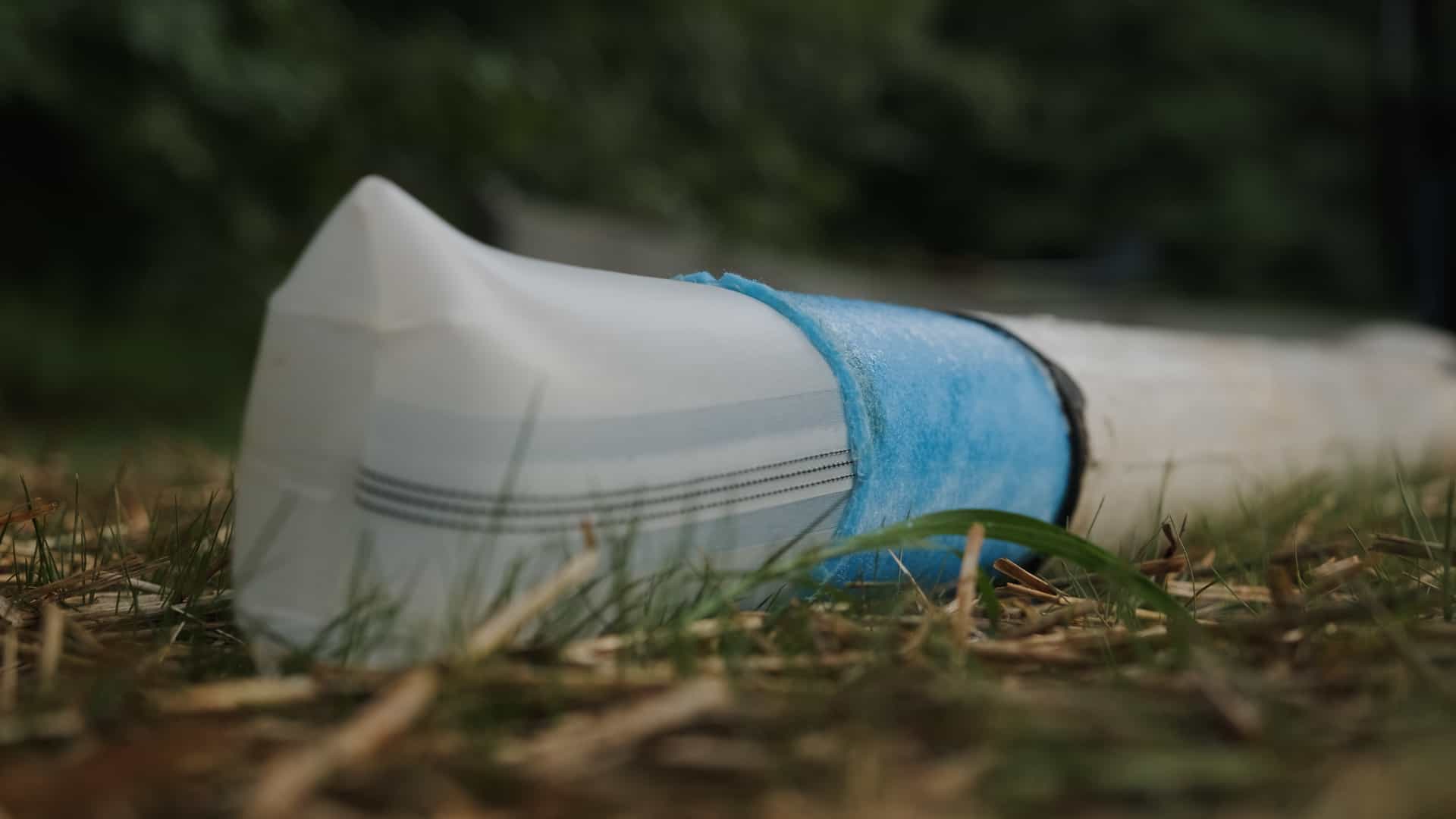
Trenchless pipe lining, called Cured-In-Place Pipe (CIPP) lining, pipe relining, no-dig pipe repair, or epoxy pipe lining, is an advanced method for repairing damaged or aging pipes without requiring major digging or demolition. Instead of excavating long trenches to replace the pipe, this technique uses the existing pipe as a guide to create a brand-new, durable pipe inside it.
This “pipe within a pipe” method restores the pipe’s strength, seals cracks, improves water flow and prevents future corrosion. Since trenchless pipe lining does not require large-scale digging, it protects landscaping, driveways, and floors, making it a more convenient and cost-effective solution for homeowners and property managers.
How Does Trenchless Pipe Lining Work?
Trenchless pipe lining is a state-of-the-art, no dig pipe repair method that restores damaged pipes from the inside without needing large trenches or extensive demolition. The repair process begins with a video camera inspection. A small, high-definition camera is fed into the sewer line to assess the extent and location of damage. Cracks, root intrusions, corrosion, and blockages are identified.
According to the City of Portland, Oregon, trenchless lining follows a thorough, step-by-step process to ensure durability and quality results:
- Cleaning: Before lining, the old pipe must be cleaned entirely. High-pressure water jetting removes buildup, and mechanical cutters clear roots and debris. This step is critical to ensure the existing pipe is restored to original diameter and smoothness..
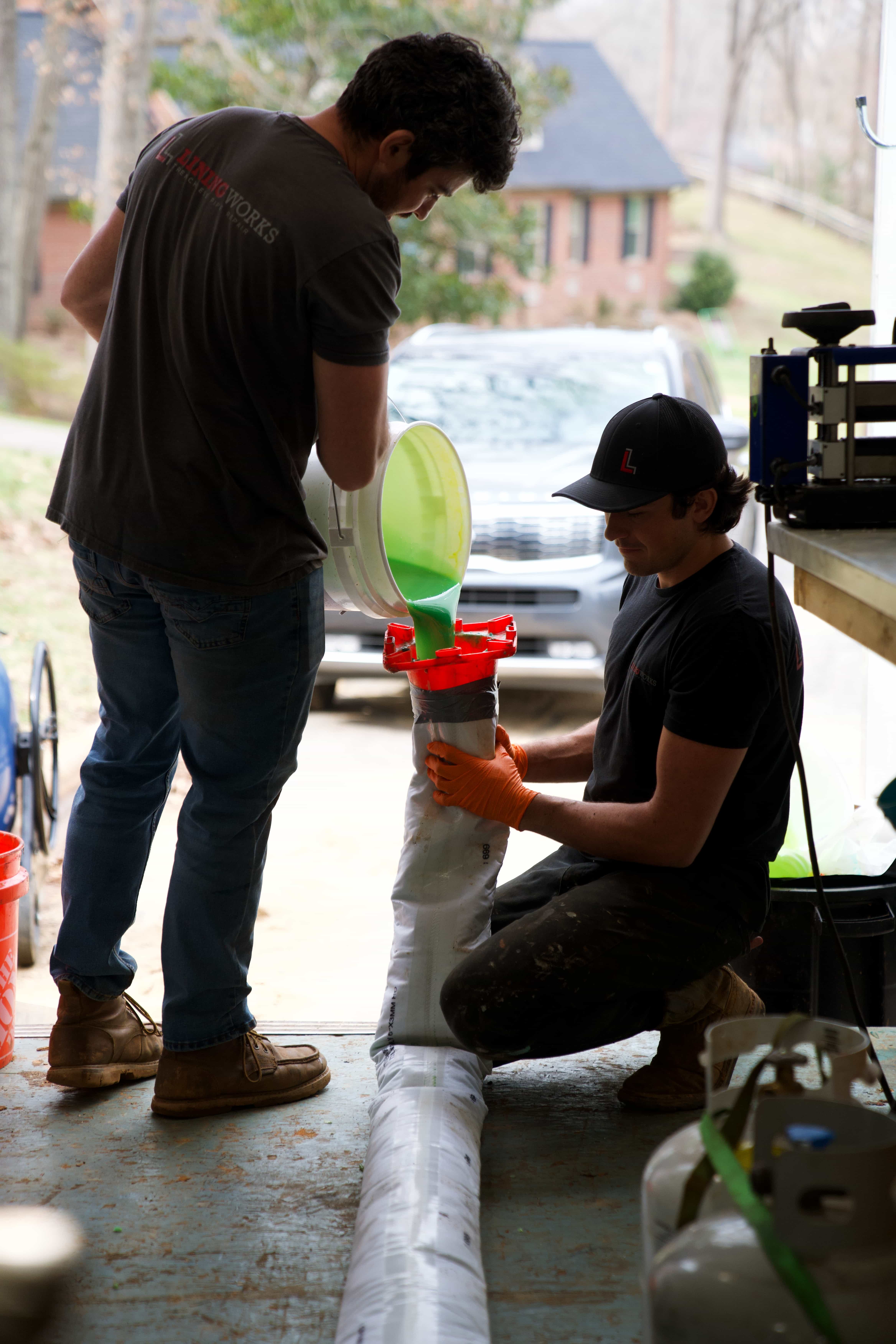
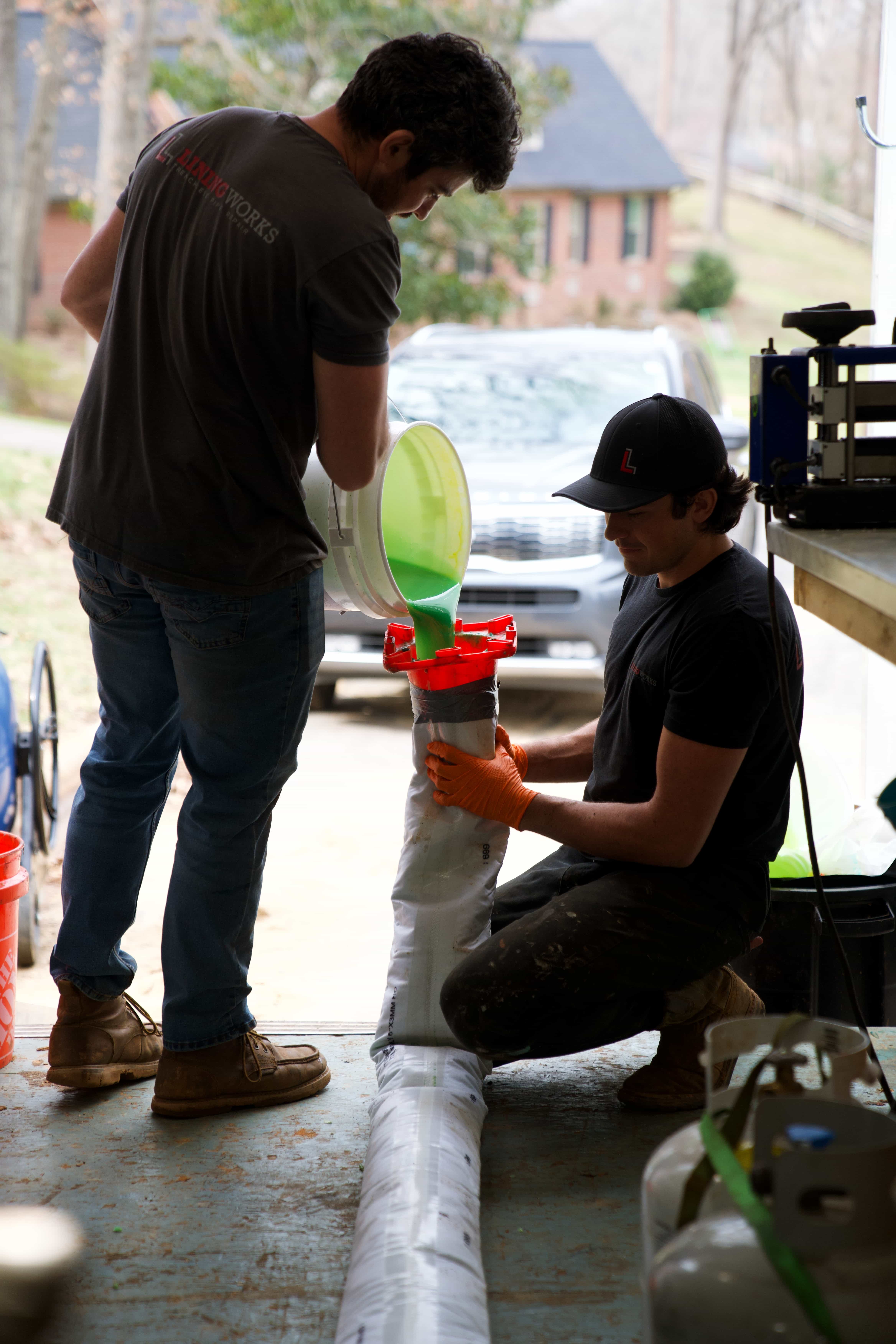
- Liner Insertion: A flexible liner made from felt or fiberglass and saturated with a specially formulated epoxy resin will be inserted into the existing pipe. Depending on the project’s needs, the liner is usually pulled into place or inverted using air pressure.
- Curing: Once positioned, the liner is inflated to press it tightly against the interior walls of the old pipe. Heat (often in hot water or steam) or ultraviolet (UV) light is used to cure the resin. This process hardens the liner, creating a solid, jointless pipe within the old one.
- Reinstating Sewer Lateral Connections: Side connections (like those from sinks or toilets) are temporarily sealed during lining. After the liner cures, these lateral connections are carefully reopened using robotic cutters to restore full service.
- Final Inspection: A final video inspection ensures that the new liner is properly installed and ready for long-term service.
Benefits of Trenchless Pipe Lining
Choosing trenchless pipe lining offers homeowners a range of important advantages:
- Minimal Disruption: There is no need to dig large trenches or tear up your yard, driveway, or flooring. Access is usually gained through small entry points, keeping your landscaping and property intact.
- Time-Saving: Traditional pipe replacement can take days or even weeks. In contrast, most trenchless repairs are completed in a single day, quickly restoring your plumbing system.
- Cost-Effective: Trenchless methods require less digging and less damage, which avoids costly restoration expenses. They also reduce labor hours, making the repair more affordable than conventional excavation.
- Durable: Once cured, the epoxy liner forms a strong, jointless pipe that prevents corrosion, tree root intrusion, and cracks. Properly installed, these lined pipes can last 50 years or more, offering long-term peace of mind.
- Versatile: Trenchless pipe lining works on most existing pipes, including terracotta clay, cast iron,Orangeburg, PVC, and even older galvanized steel systems. It’s a flexible solution for many residential and commercial plumbing challenges.
- Eco-Friendly: Trenchless methods reduce construction waste and limit the environmental impact by avoiding full pipe replacements.
Drawbacks of Trenchless Pipe Lining
While trenchless pipe lining offers many advantages, it is important for homeowners to understand a few potential drawbacks before deciding on this method:
- Not Suitable for Collapsed Pipes: If the existing pipe has completely collapsed or is severely misshapen, trenchless lining may not work. In these cases, full pipe replacement might be the only option.
- Higher Upfront Cost: Although trenchless repairs can save money in the long run, the initial cost is often higher than minor spot repairs. It’s an investment in a longer-term solution, but budget-conscious homeowners should plan accordingly.
- Specialized Equipment and Expertise Required: Trenchless pipe lining relies on advanced technology and skilled technicians. Not all plumbing companies are equipped or experienced enough to perform the work properly. So it’s important to choose qualified experts to ensure the job is done right.
Key Signs You Might Need Trenchless Pipe Lining
Recognizing the early signs of pipe problems can save you from bigger, costlier repairs. Homeowners in Winston-Salem, NC, or nearby areas should watch for these common warning signs:
- Frequent Drain Backups: Regular clogs in sinks, tubs, or toilets may indicate that there is a deeper issue in your sewer line.
- Slow Drains Throughout the House: If multiple drains are sluggish simultaneously, it often points to a problem with the main sewer line, not just individual fixtures.
- Sewer Odors Indoors or Outside: Persistent foul smells from drains, the basement, or the yard can indicate sewer line damage.
- Unexplained Lush Patches in the Lawn: Greener, faster-growing grass areas may signal a leaking underground sewer line nourishing that spot.
- Gurgling Sounds from Toilets or Drains: Odd noises like bubbling or gurgling can suggest air trapped by a blockage or damaged pipe.
If you notice any of these symptoms, it’s a smart idea to schedule a professional camera inspection. Early detection can help determine if trenchless pipe lining is the right solution for restoring your pipes without the mess of traditional excavation.
Understanding Sewer Lining Costs
Trenchless sewer pipe lining costs can vary depending on a few key factors. Homeowners should keep these in mind when budgeting for repairs:
- Pipe Length and Diameter: Longer pipes and larger diameters require more materials and labor, increasing overall costs.
- Re-entry connections: The number of connections that need to be reinstated is one of the biggest factors in the cost of relining.
- Accessibility: If the repair site is difficult to access or requires specialized equipment, this can increase the price.
- Severity of Damage: Heavily corroded or damaged pipes may need extensive preparation before the lining begins.
- Local Labor Rates: Cost of labor can fluctuate based on the region and the availability of qualified trenchless repair specialists.
On average, relining a damaged sewer or lateral pipe costs between $80 and $250 per linear foot, with most homeowners paying around $160 per foot. While the upfront investment for trenchless pipe lining is higher than some traditional spot repairs, it can save significant money over time. Because this method avoids major excavation, homeowners often avoid the high costs of restoring landscaping, driveways, and flooring. For many, trenchless repair is a smart, long-term investment that protects their home and budget.
Finding the Right Trenchless Plumbing Partner
Choosing the right contractor is one of the most important steps to ensuring a successful trenchless sewer repair project.
When selecting a provider, it’s important to look for:
- Specialization in Residential Pipe Lining: Companies that focus heavily on trenchless technology are better prepared to handle your unique plumbing challenges.
- Comprehensive Inspections: A full video camera inspection and detailed diagnosis should always be the first step.
- Transparent Pricing: Reputable companies provide clear estimates without hidden fees.
- Strong Warranties: Look for long-term warranties that guarantee peace of mind.
- Proven Experience: Choose a company with a proven track record of success and customer satisfaction.
At Lining Works, trenchless solutions are our specialty. We focus on advanced, minimally invasive pipe lining that protects your home and saves you time and money. We use the latest plumbing repair technology to deliver long-lasting repairs with minimal disruption. We also back our work with strong warranties so you can feel confident that your plumbing system is in the best hands.
Take the Next Step
If you notice signs of pipe trouble, like slow drains, frequent backups, or sewer odors, now is the time to act. Early detection and pipe repair can save you from costly damage and major disruptions down the road.
Contact Lining Works today to schedule your consultation and take the first step toward a stronger, more reliable plumbing system.